Week of July 27, 2026
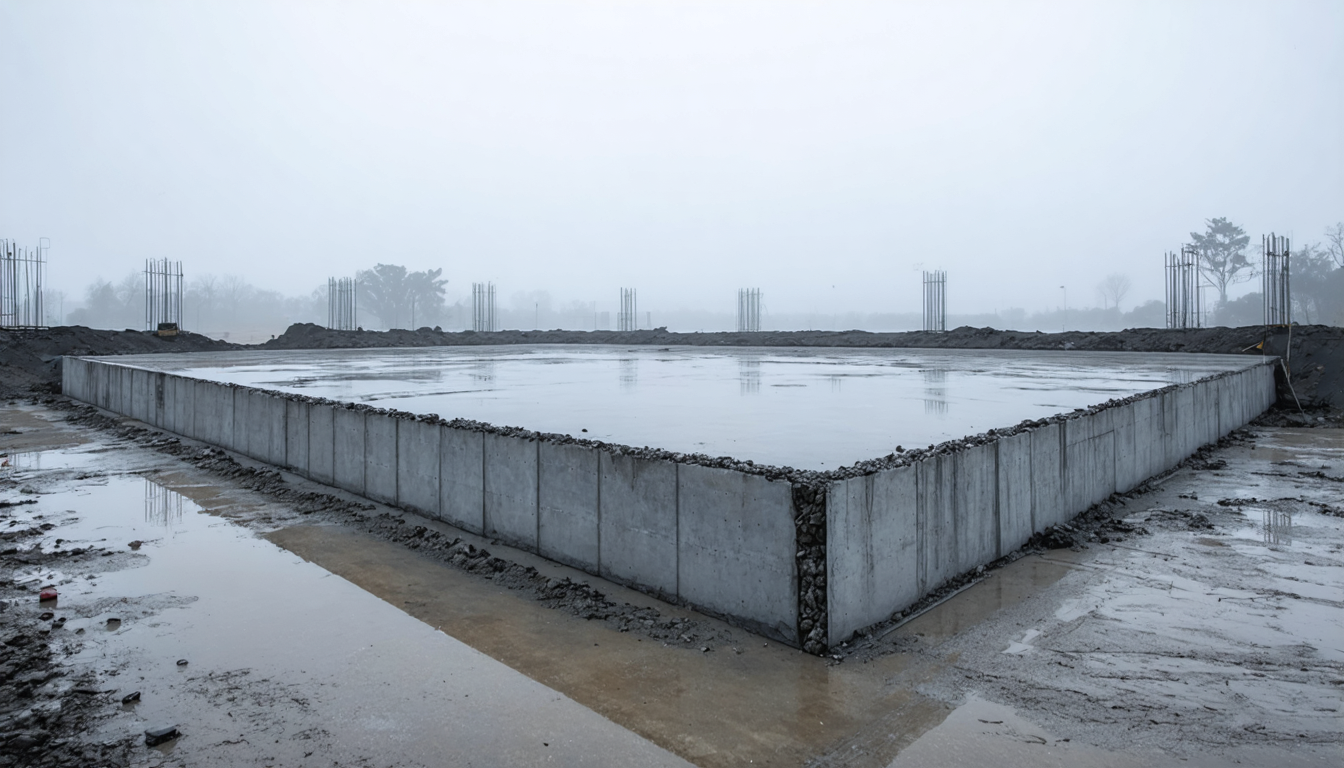
Uncertainty Is a Privacy Screen: The Builder Who Pours Concrete in the Fog
When AI's architects confess they cannot predict the future they are building, they borrow the innocence of a bystander while pouring the foundations, converting consequence into weather with no return address.
In This Issue
Uncertainty Is a Privacy Screen: The Builder Who Pours Concrete in the Fog
When AI's architects confess they cannot predict the future they are building, they borrow the innocence of a bystander while pouring the foundations, converting consequence into weather with no return address.
Six Things the Deserving Machine Will Never Be Late For
The engineers of artificial minds call us monkeys awaiting a worthier successor, but their whole theology hinges on a word — deserving — that mistakes an exam they built for a law of the world.
The Disgust Is Inherited but the Tiger Is Chosen
A predator-shaped cosmos flatters the man it stalks, but the anterior insula fires the same at spoiled fish as at injustice, leaving us free to choose the sky we build over the signal.
The Forgetting Is Not a Forecast: It Is the Room You're In
The funeral bit sells liberation, but the real hit is grief for the living self being half-received in real time — and the flinch to monetize presence is the disease wearing the doctor's coat.
The Four Seconds You Forgot To Count
An ultramarathoner insists every step proves he is who he says he is, but a hummingbird drinking for four seconds reveals the whole apparatus of self-confirmation as a rent due forever.
The Lock And Key Share A Metal
The man who wired 186 nuclear weapons could never leave the country, because the state did not classify a document — it classified a nervous system.
The Loop Runs Between Two Liars: Why Proof Is the Trap
A backyard ultra promises to confirm who you are, but the voice that judges the run and the voice that doubts it share one throat, and both survive the finish line.
The Mind Falls In Steps
Cognitive decline is not a gentle slope but a staircase of sudden landings, and this cruel discontinuity exposes the lie that the self is the sum of its accumulated habits.
The Quiet Interval Is Good Wire You Cannot Certify
Cognitive decline arrives in discrete drops, not slow erosion, which means the flat stretches are full capacity worth defending — but the mind reading its own capacity is a meter every fault has biased.
The Raid Is Not the Crucifixion: Who the Frame Deletes
The strongman's arrest story converts an account of women who could not leave into an account of a man who cannot be held — and the swap is the whole trick.
The Recipe Escaped the Monastery Long Ago
A podcast panic over mail-order pathogens mistakes an ancient truth for breaking news: knowledge, once loosed, has no reverse gear, and never did.
When Does the Room Learn to Call Itself Discipline?
Solitude reads as strength and consultation as weakness, but the mind that stops testing its own walls may only have renamed a cage as home.
The Thermometer Was Never a Cure
A viral clip about China's refinery data becomes a meditation on the difference between seeing a fever clearly and ever intending to treat it.
The Want Arrives Pre-Shaped: Urgency Is Not Discernment
Hormozi's funeral arithmetic is right about the weeks and wrong about the wanting, mistaking permission for the scarce resource when the real labor is separating your desire from what was installed in you.
Notes from the Funeral Where the Want Was Never Yours
Hormozi says do what you want because no one remembers you long, but the harder question he steps over is whose want you are actually obeying when you finally act.
The Antenna Is Honest, the Frequency Is Gone
When a bombed strait produces cheaper oil, the instrument has not broken; it faithfully reports on a station that quietly moved, and the withdrawn appetite it cannot chart.
The Dark Factory and the Room It Never Mentions
The promise that software will build itself in a darkened factory conceals a lit office upstairs, where the power to decide what gets made quietly consolidates.
The Grievance Turned To Catch The Light
A man who fears a rigged court has a real argument, but he cannot inhabit it, because the moment he narrates his suffering the subject stops being justice and becomes his own reflection.
The Dose Is the Clock, Not the Level
Cortisol and the Inquisition's gag commit the same measurement error: both mistake a suppressible reading for the process it cannot touch, selling you a level while the duration decides everything.
'Do What You Want' and the Want It Never Interrogates
Hormozi's funeral arithmetic frees you to chase your desire, but it never asks the harder question of whether the desire is discovered, built, or merely installed by an audience that isn't watching.