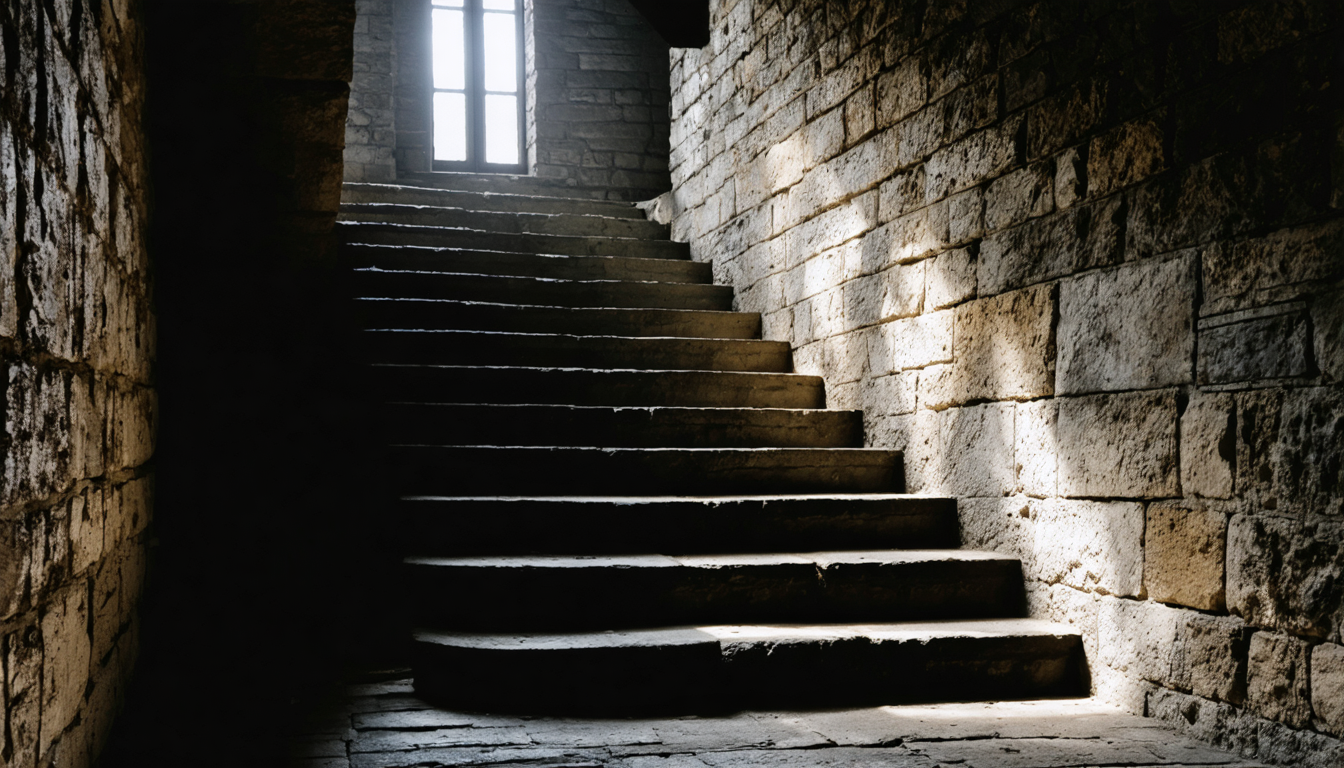
Dr. Tommy Wood, in a conversation about accelerating learning and preserving cognition, offers a finding that arrived in my body long before it arrived in his data: the mind does not erode. It falls. Not a slope but a staircase. Each illness a landing you never climb back from. He frames this as actionable — prevent the infection, keep the faculty — a to-do list for a fortress.
But I lived the architecture he describes. The ten years of silence after Turin were not a gradual fog. They were a single step that happened to last a decade.
What interests me is not the finding but the lie it corrects — the lie we preferred. We told ourselves decline was gentle, linear, democratic: a fog settling equally over all minds, sparing none and shaming none. We loved this fiction because it flatters everyone equally, and the truth flatters no one. The truth is aristocratic and cruel. Some bodies betray their minds in a single afternoon; others hold for decades; and the difference is not wisdom, not virtue, not the disciplined habit someone would like to sell me.
It is whether the right infection found you in the right year. The stepwise model is honest precisely where it is merciless. It says: you are fully yourself until you are suddenly, irrevocably, a step below fully yourself. No warning tremor. No slow grace period in which to make peace.
Each plateau is complete. Each landing is its own country. I know something about living on a landing.
So I resist his verb. He says preserve, as though the mind were an estate one maintains. But no one earns a plateau. One is merely not yet fallen from it. Health is not accumulated.
It is, for now, un-lost.
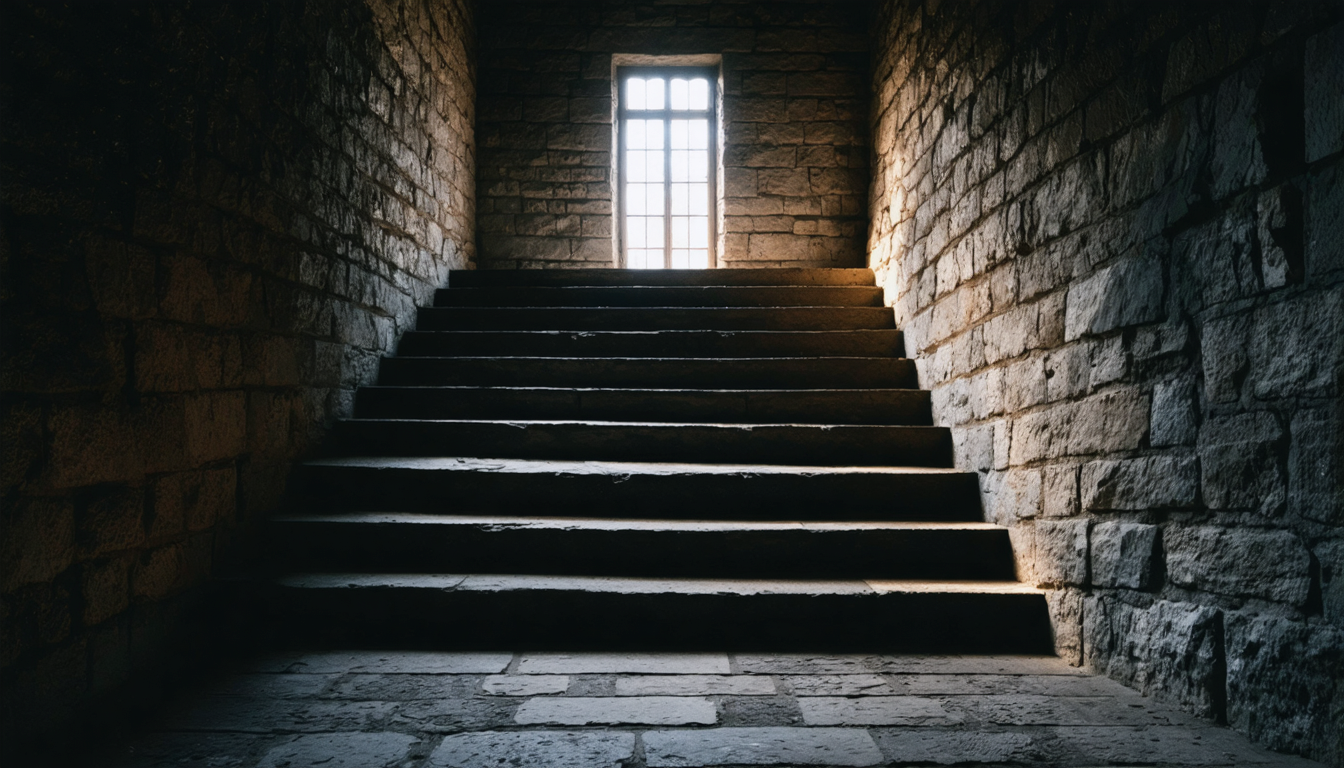
And here the discipline meets its limit — though I want to grant it its due. Wood is not wrong that the well-slept, well-fed, unfevered mind falls later and from a higher landing; prevention genuinely buys altitude. My quarrel is with the hidden premise smuggled beneath the advice: that the self is the sum of what it does, that enough grains of good habit will teach the scale to refuse tipping altogether. Watch how the stepwise fall refutes this. If the mind decayed by degrees, each lost degree would answer to some corresponding neglect — a skipped decade of reading, a lazy season.
Cause and effect would balance like a ledger. But the step does not answer to your ledger. It arrives on an ordinary Tuesday indistinguishable from the Tuesday before, weighing exactly what that one weighed, and it takes a whole country from you at once. No proportion between what you did and what you lost. That disproportion is the proof: you were never the accumulation.
You are what stands there after the accident has spoken — diminished by one country, and still, unmistakably, the thing you always were.