On the two-thousand-five-hundred-and-thirty-fifth installment of the Joe Rogan enterprise, a man named Andrew Wilson arrived at the incest question the way a traveler arrives at the edge of a cliff he has spent the whole afternoon building the road toward — shocked by the drop, indignant at the geography, and entirely unwilling to concede that he laid the pavement himself. The host's reflex, offered up like scripture, was the familiar one: I don't like people telling people what to do. It is a fine sentiment for a bumper sticker and a poor one for a republic. But I want, before I reach for the salt, to do Rogan the courtesy his critics never do. I want to build his argument better than he built it, and only then knock on its walls to hear where they ring hollow.
Here is the argument at full strength. Power delegated to strangers is never returned. The man who takes your leash to protect you keeps it to control you. History is a long museum of good intentions fitted with handcuffs.
And this is not nothing. This is, in fact, the truest thing the libertarian owns, and he owns it because he paid for it in blood he did not shed himself. Every Comstock began as a reformer. Every Prohibition agent started as a temperance pamphlet, sincere and dry-eyed, certain that a small deterrence now would spare a great grief later. Wilson's own phrasing — how would deterring that society-wide ever be a bad idea?
— is the exact sentence I have heard from every censor who ever reached for the cuffs, and Rogan's instinct to distrust it is sound in the bone. The state does not put the truncheon down when you ask nicely. It never has. Ask the man who wrote the sedition laws, ask the vice squad, ask the fellow who decided your whiskey was the government's business and then discovered he rather liked deciding things. The suspicion of concentrated power is not paranoia; it is memory, correctly filed.
On this the two men are righter than they know, and I will not pretend otherwise for the cheap pleasure of a joke.
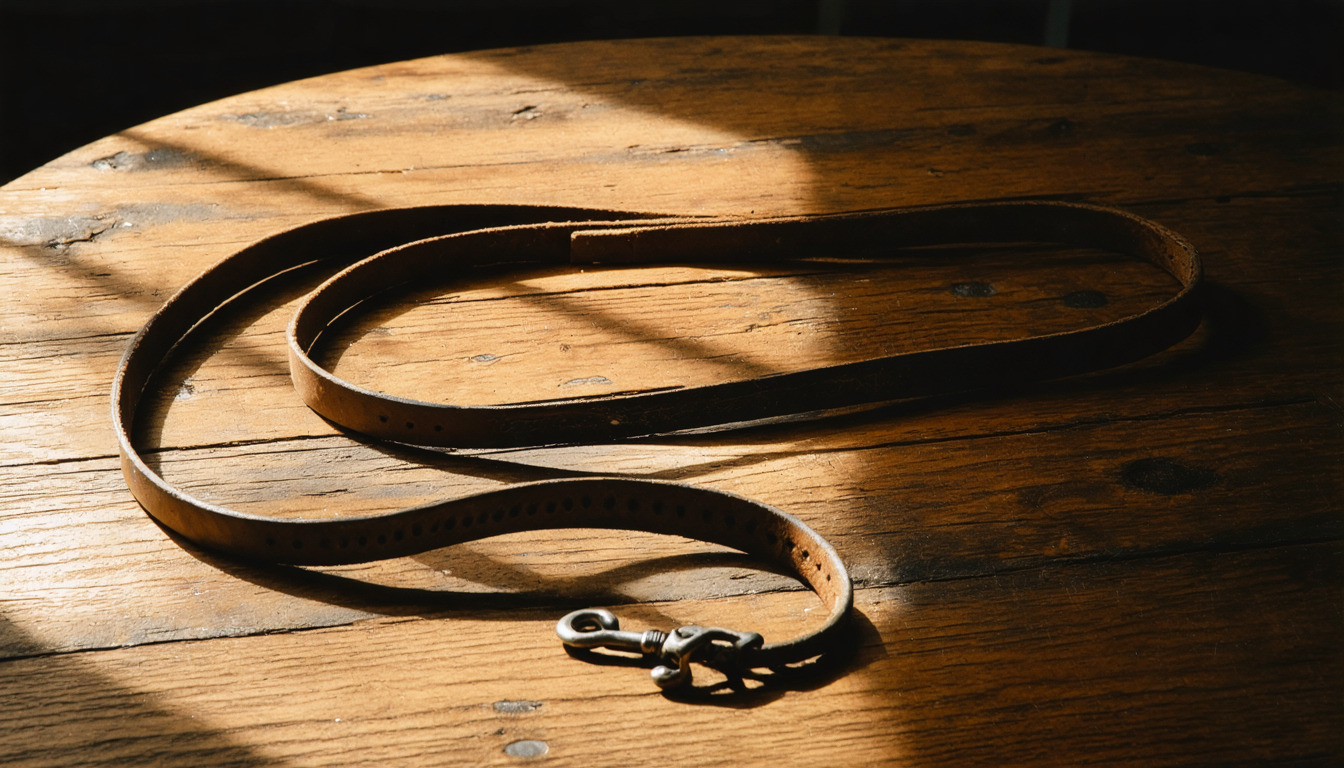
But here is where the road they paved runs out. The slope they fear slides only downward — heroin to whiskey to tyranny, always tyranny, always at the bottom of the hill as though gravity were a partisan. They never once ask what lives at the top. What if tolerating the man who poisons the water supply for profit is also a slope, and the leash you refuse to hand the state is the same leash that lets him foul the reservoir? A leash, gentlemen, has two ends.
You have spent the whole episode worrying about the hand that holds it and never noticed that the other end is fastened to nothing — that when you say the state should not decide, you have not abolished deciding. You have merely handed the decision to whoever is strongest in the room and called the transfer freedom.
That is the flaw, and it is a family flaw, shared by censor and libertarian alike: both mistake having a feeling for having a principle. It's just gross is a moral argument too old to wear a suit to court. I don't like being told is its mirror. Neither man built anything. They only stood at opposite ends of an empty leash, tugging.