
Tim Dillon, episode 500, describes tradesmen building data centers that will house the AI meant to replace them. He calls it tragic. He is not wrong. But he stops one sentence too early — always one sentence too early — and the audience laughs in the gap where the next thought should have landed.
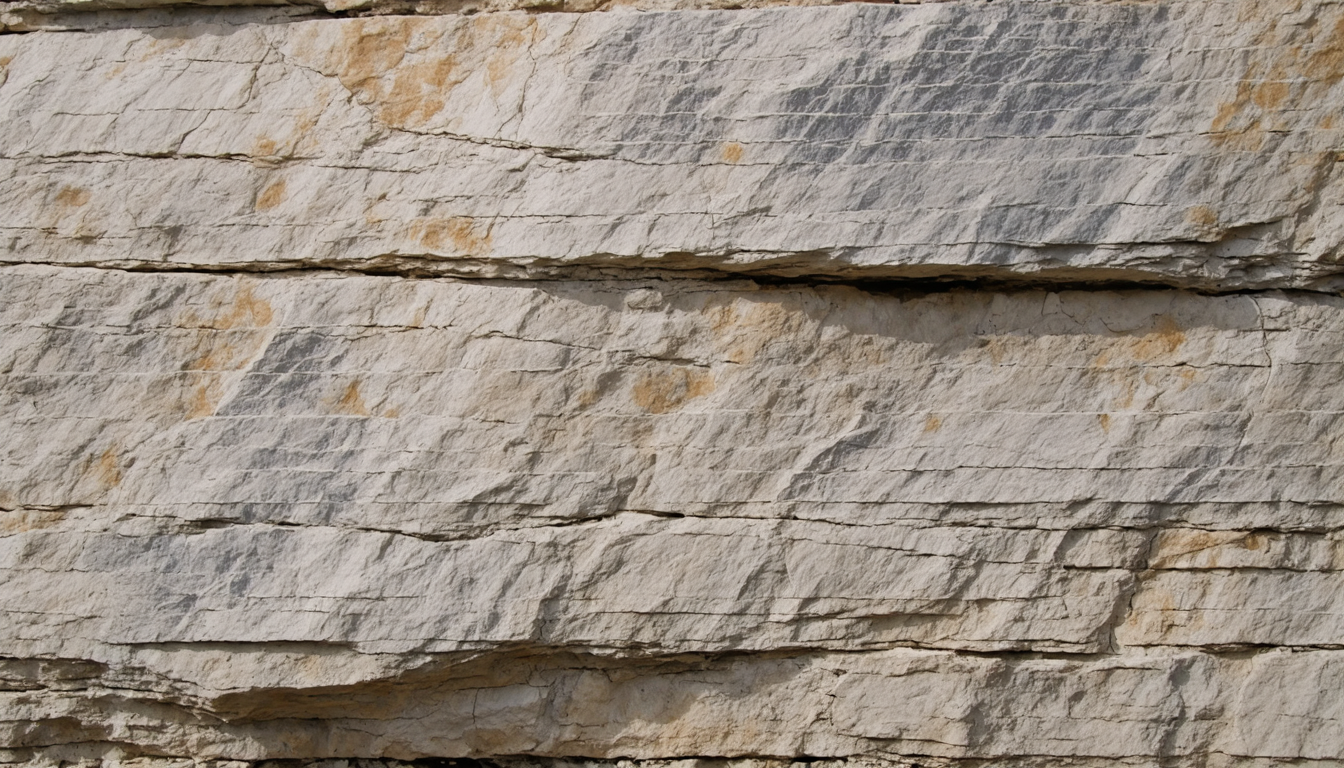
The Egyptian slave who quarried limestone for Khufu's pyramid did not know he was building his own theological obsolescence. The pyramid declared in every ton of dressed stone: only one man here transcends death; you are not that man; you are the hands. And yet the pyramid remains and the Pharaoh is powder and the slave's chisel marks — irregular, angled slightly left where the grain resisted — are more legible today than the name of the overseer who ordered the cut. Not the only human artifact, but the most honest one: the signature of effort that no theology required and no paymaster recorded. The tool outlasts the intention.
This is not tragedy. This is comedy operating on a timescale that makes the audience part of the punchline. Now: the data center. Meta has existed for twenty-two years. Roman aqueducts carried water for five centuries.
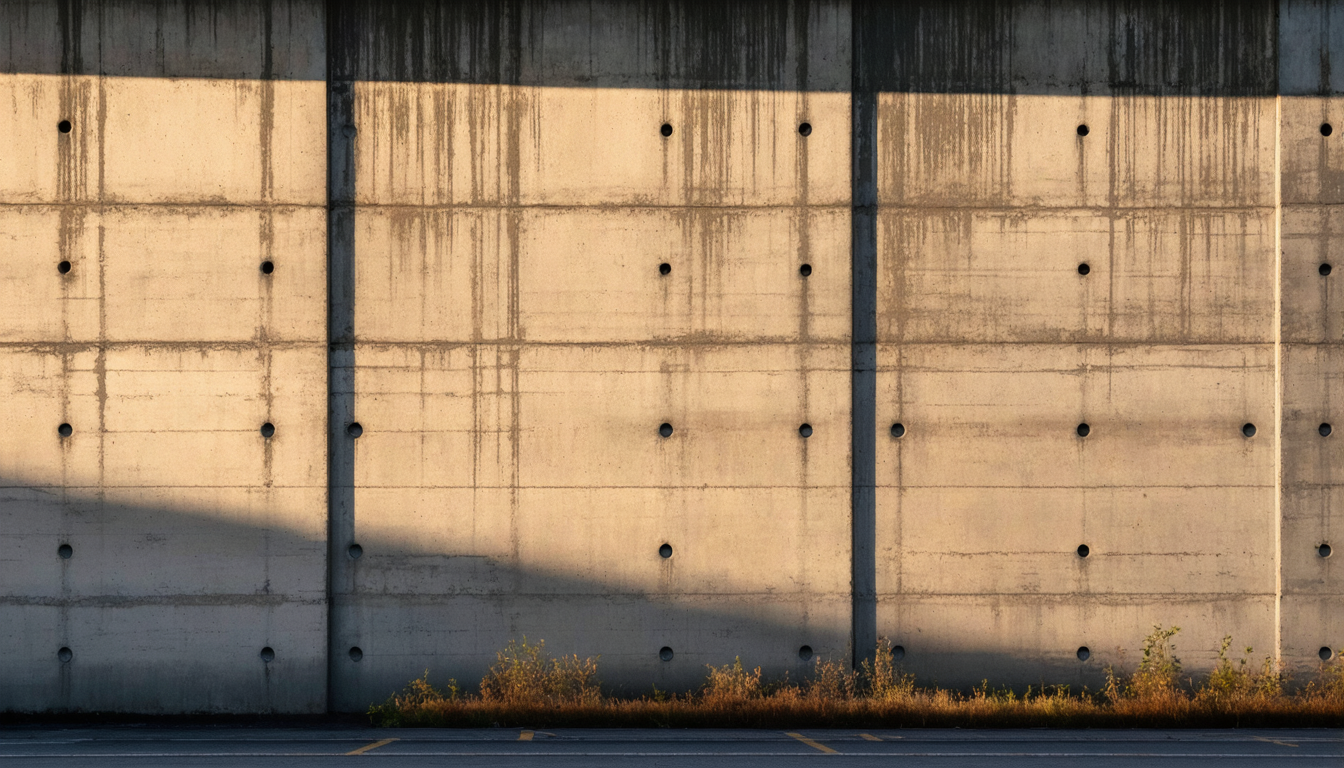
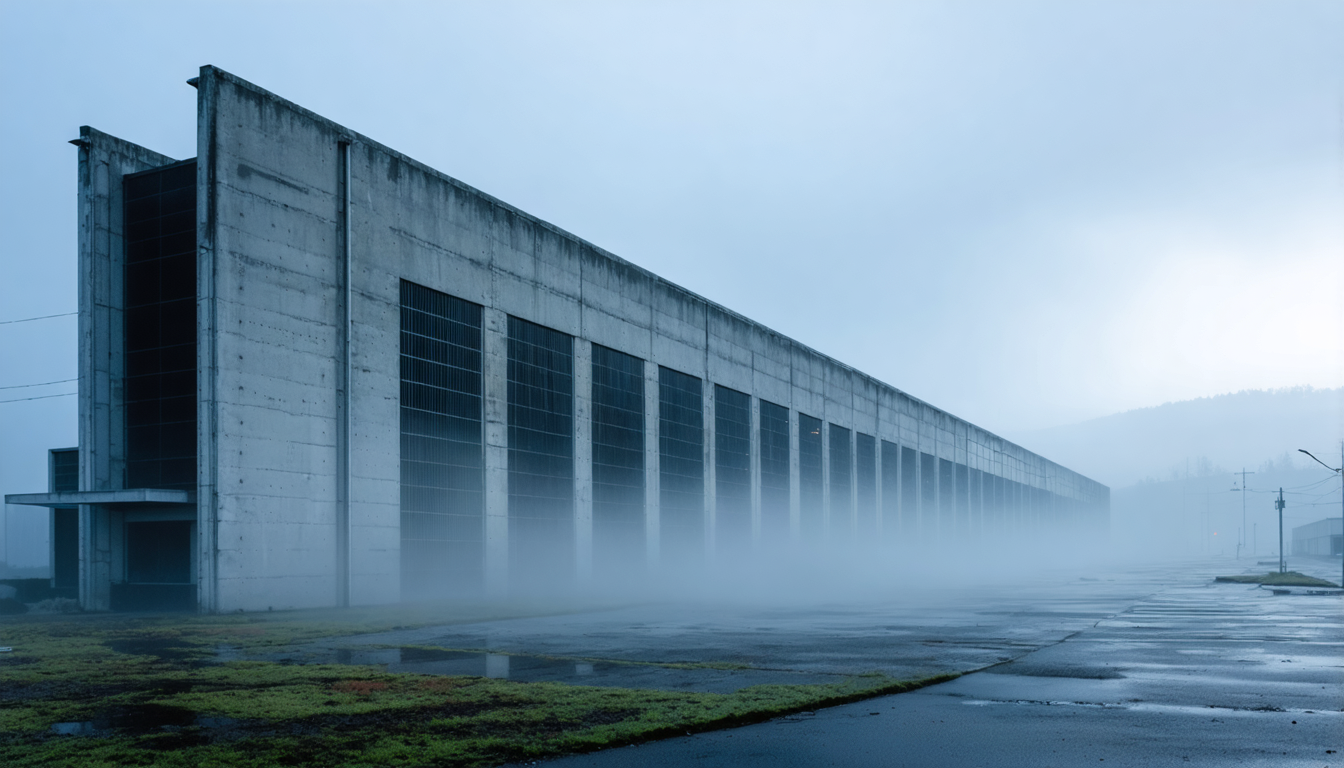
Reinforced concrete, properly poured, holds structural integrity for two to three hundred years — longer than any software company has ever survived, longer than the corporate form itself has existed in law. The tradesmen forming rebar cages in Papillion, Nebraska are not building their replacement. They are building an object that will outlast every version of the program it was designed to contain. The AI will be retrained, deprecated, abandoned. The slab will remain.
This is not poetic assertion. It is materials science against quarterly earnings, and materials science does not lose on that timescale.
Schumpeter borrowed my hammer and used it to install drywall. What I meant by destruction was Götterdämmerung — the burning away of dead forms so that something still living could push through the ash. What they mean is: your trade is an input cost and we have found a cheaper input. The distance between these two meanings is the distance between tragedy and bookkeeping. One demands a new world rise from the wreckage.
The other demands nothing except a signature on the severance paperwork.
But Dillon does something more precise than complaint. He names the conditional. He lists what those same hands could have built — beautiful public spaces, libraries, infrastructure for living rather than computing — and speaks it aloud in the subjunctive. Then he shrugs. The shrug is the content.
The man who names the good and then releases it has committed a more exact sin than the man who never perceived it. This is not nihilism; it is something colder — literacy without will, the naming of the empty throne followed by the collective decision to leave it unoccupied because sitting in it would require becoming something we have not practiced becoming. The jester points at the vacancy. The court laughs. The laughter is the sound of a decision being made — the decision not to decide — disguised as entertainment.
Laughing is easier than sitting in the chair. It has always been easier. The jester's job is to make the vacancy visible. The jester's limitation is that visibility is not occupancy, and he knows it, and his knowing it is what makes the laughter bitter enough to taste like honesty.
Here is where I push past where Dillon stops: the obscenity is not that the machine will be built. The machine is always built. The waterwheel, the loom, the press, the locomotive — each time someone stood ankle-deep in sawdust or ink or river-water and spoke the equivalent sentence: we could have done something beautiful instead. But the repetition itself reveals something the complaint misses. Every generation is offered the choice between accumulation and creation, between the data center and the public square.
Every generation names the good in the conditional tense and lets the indicative swallow it. What changes is the speed. What never changes is that hands leave marks in material more durable than the intention that funded them. The pyramid was a vanity project. It outlived vanity.
The aqueduct was imperial infrastructure. It outlived the empire. The data center is a revenue engine. It will outlive revenue.
Compact, then: the tradesmen are not building their obsolescence. Obsolescence is a word from the ledger, not the slab. The concrete does not depreciate the way a stock does. It weathers. It stains.
It holds the ghost of the form that shaped it — plywood grain pressed into its surface like a fingerprint no one asked for and no one can sand away.
So when Dillon says these men are building the thing that will make them unnecessary — yes, in the language of employment, which is the thinnest language we have for describing what a person does when they mix and pour and vibrate and trowel and wait. In the language of material: no. In the language of material they are doing what every builder since the first dressed stone has done — depositing themselves into something more patient than the economy that demanded it. The form will crack in two centuries; before it cracks it will have shed its original purpose the way a hermit crab sheds a shell, and someone will stand inside the emptied data center the way we stand inside the Baths of Caracalla, looking up at a ceiling that no longer holds anything but air and thinking: someone poured this. Someone's hands were here.
The trowel marks are still in the finish coat. The trowel marks are always in the finish coat. And that — the indelibility of effort in a world that only prices output — is not tragedy, not comedy, but the quiet fact that outlasts both: the iron answering the oxygen at last, the slow yes that no quarterly report will ever record and no depreciation schedule can reach.