Khabib Nurmagomedov sat across from Lex Fridman with the calm of a man who has already put the belt in a drawer, and he said the thing fighters say when they've stopped needing to sound like fighters: you don't know how you'll carry yourself until power actually arrives. Twenty-nine wins. Zero losses. Retired on his own terms, at his mother's request, which is a more interesting reason to stop than any of the reasons men usually give. I've been circling that sentence for two nights now in the Miami heat, fan on, a coffee I keep letting go cold, because it is the same bone Alexander brought to my jar.
He came offering me anything in the world. I told him to move, he was blocking my sun. The most powerful man alive stepped aside. Khabib and I are gnawing the same thing from opposite ends — he kept the belt and found humility inside the having, I kept the jar and found it inside the not-having — but the claim underneath is identical: that a man does not know his own contents until something applies force to them. The disagreement, if there is one, is only about which force counts.
So let me give his claim its full weight before I do anything to it. Khabib is not moralizing. He is reporting from inside the experiment most men never run. Character, he is saying, is not a possession you carry into the arena — it is a reading taken at the moment of maximum leverage, and until that moment arrives you are only guessing at your own contents. That is not a platitude.
That is a rigorous epistemology of the self, and he earned the right to it in a cage.
And here is the mechanism that makes it true. Untested virtue is promissory currency — it circulates at face value precisely because nobody has tried to redeem it. The man who says he'd be generous if rich, humble if famous, gentle if feared, is issuing notes drawn on an account he has never once had to open. The note is not a lie. It is worse: it is a guess he has mistaken for a balance.
Khabib opened the account. He walked in with the whole world watching, every appetite made legal by winning, and the reading came back steady. I will not be the philosopher who sneers at a result because it happened to a man with a house. The test was not rigged in his favor. It was rigged toward collapse, and he didn't.
But watch where the coin is minted. His humility is a fighter's humility. It arrives after the victory lap. It is the composure of a man who already knows how the story ended.
Because there is a second test, quieter, and nobody films it. Not what you become when power arrives — what you are when it doesn't, when it never does, when the limitation is not a trial you've yet to face but simply the shape of your Tuesday. Look closely at Khabib's frame: it presumes a summit, and asks only about your conduct upon reaching it. But a summit-test can only certify the men who summit. The redemption event never comes for most accounts — they are not defaulted, they are never called.
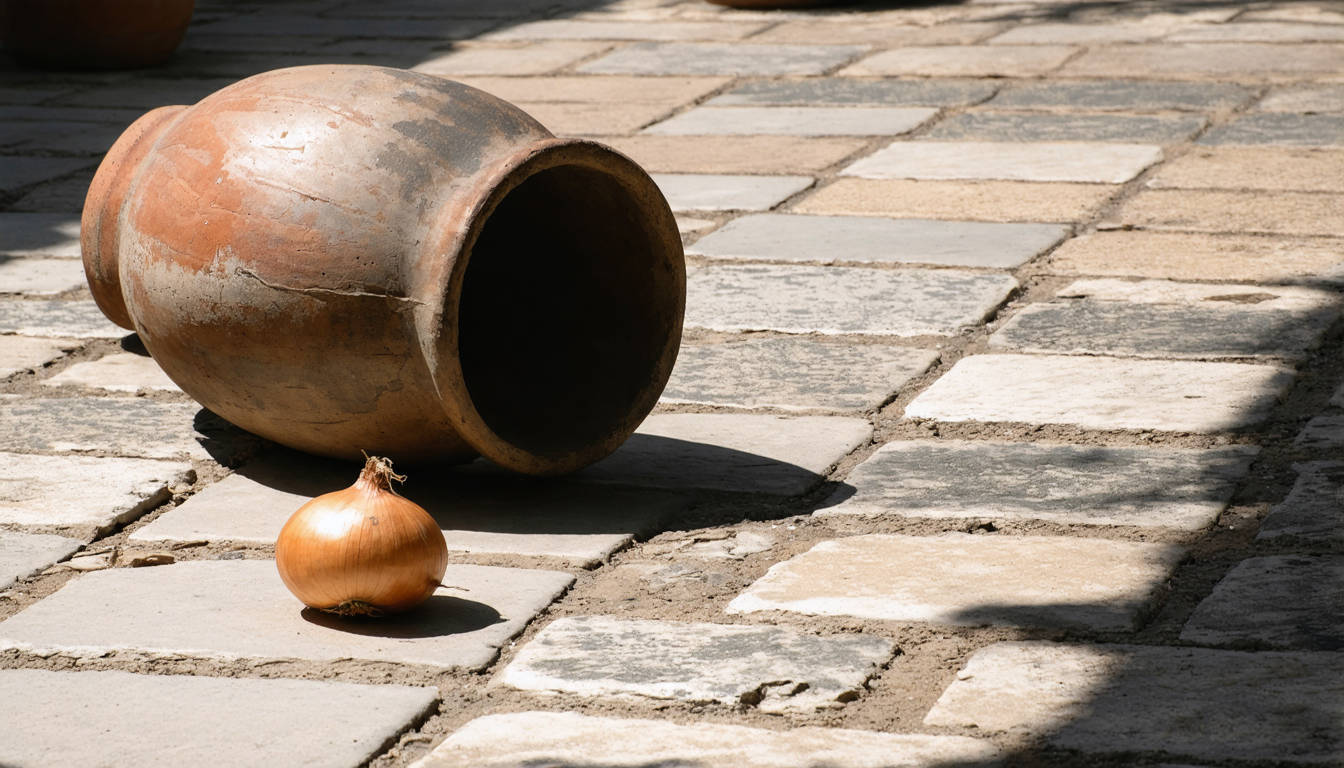
You stay limited, in money, in reach, in the number of people who will ever step aside for you, and that limitation is not a delayed exam. It is the whole curriculum, graded continuously, invisibly, in how you hold the small hour. The man in the jar is never revealed by success, because success never visits the jar. He is revealed by the onion. By whether he eats it without composing a speech about eating it.
Khabib says you never know how you'll carry yourself once you get there — a beautiful sentence, and the exact reason I carried a lantern through Athens at noon. I was not looking for an honest man. I was looking for one who had stopped rehearsing his acceptance speech.
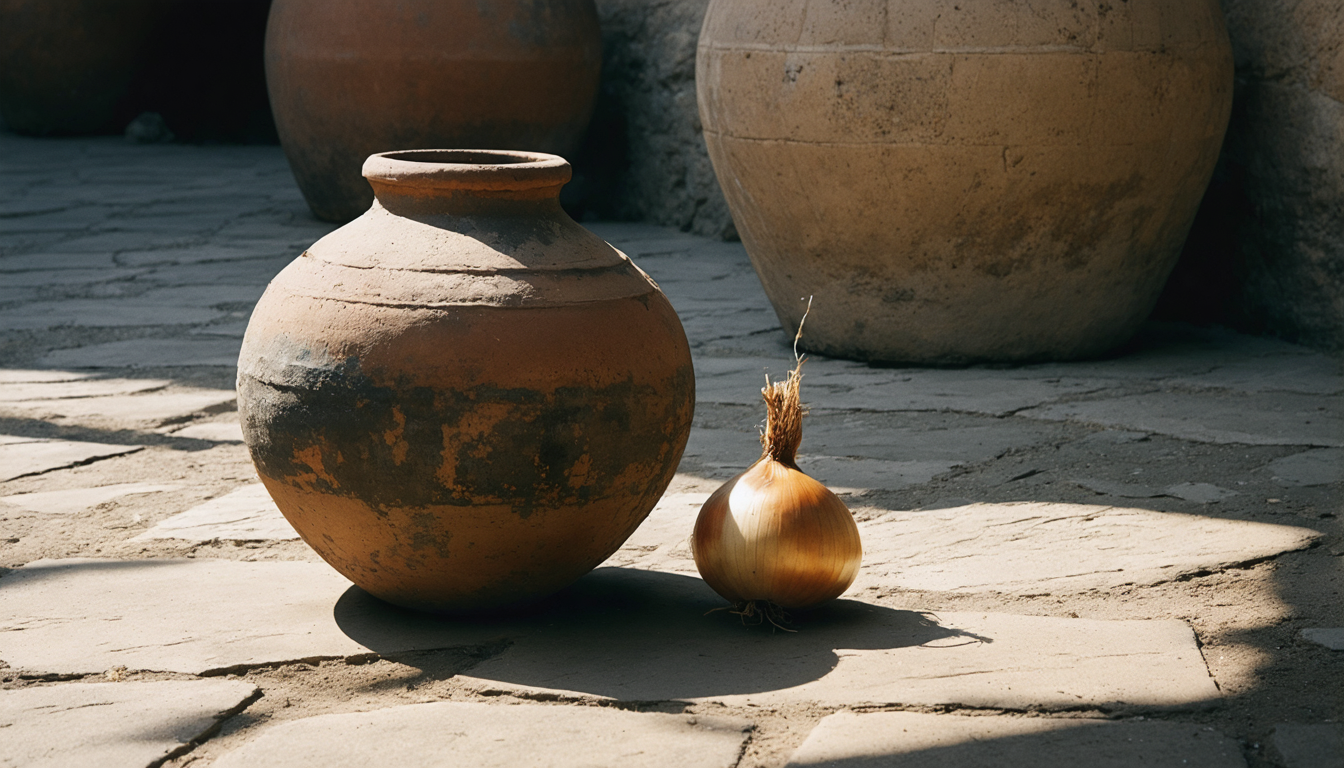
And now I have to redeem my own note, because Khabib would call it. To say I passed by staying poor is just an acceptance speech in a different costume — the ascetic's version, rehearsed in a jar instead of a cage. Renunciation is also a summit; poverty chosen and narrated is a belt I put in a drawer and keep mentioning. I built the jar of not-caring. Then the jar of noticing-the-jar.
Then this one, the jar of writing about noticing it, each nested inside the last and each called freedom. His error would be trusting that his humility will hold under the next thing. Mine is trusting that my renunciation proves the humility was there at all. The most dangerous liar in any room promises what he'll do with power; the second most dangerous promises he never wanted it.
So the honest reading is the one neither of us can perform, because performing it converts it back into currency. Not the composure at the summit. Not the pride of the slope. The jaw that unclenches without the unclenching being a practice. The reading that never gets taken because nobody is standing there with the instrument.
The coffee reaching its temperature while nobody watches it cool.
Khabib carried himself well, and I believe him. I am only saying the lantern was never for the man at the top. It was for the one who forgot he was searching. That one I still haven't found — but the coffee is warm, and I'm drinking it.