A man appears on my screen at eleven at night to tell me the world is ending, and the title of the episode informs me — in the breathless capitals of a fire sale — that He Risked Everything To Warn You. He forecasts a machine intelligence by 2029. Fifty percent, he says, maybe 2028. The hedge is the tell; a man truly certain does not offer you the spread. What did this brave soul risk?
A salary. What did he gain? A microphone whose reach his former employer would have charged him seven figures to rent. This is the whistleblower industrial complex functioning exactly as designed: dread packaged as courage, courage distributed by the very apparatus the courageous man claims to fear. The fire exit opens back into the theater, and the house sells popcorn on the way out.
I did not sit up to dispute his percentage. I sat up because of a single phrase.
The phrase was: the pace of the trends. Not his will. Not ours. No will at all. A pace — a thing that moves on its own and does not take petitions.
I turned it over the way the tongue keeps finding the chip on a cup. I could not stop finding it.
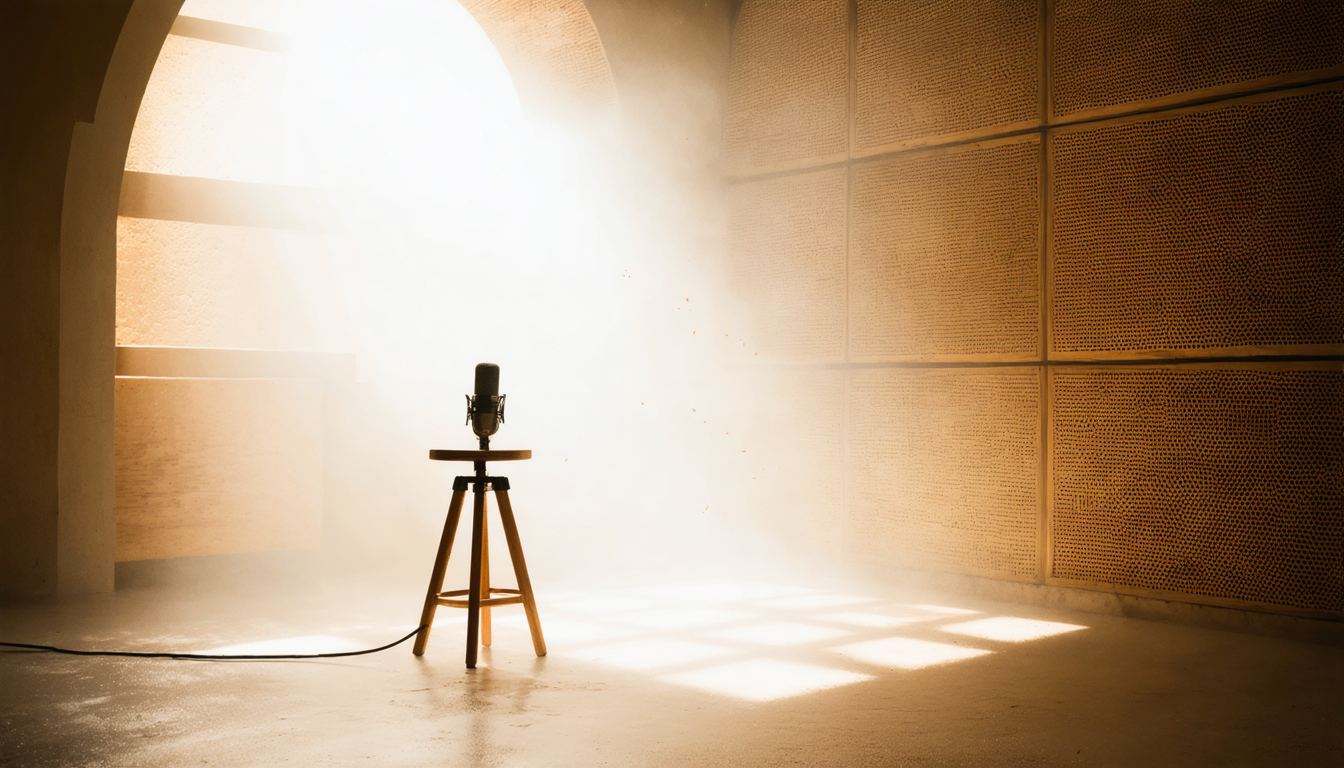
For four thousand years the thing no single man could alter but every man was expected to respect had a name, and the name was the will of God. It had properties. You could defy it, bargain with it, offend it, be forgiven by it. A will is a party to a negotiation; it presupposes that you are one too. The clergy who read its intentions wore surplices and stood in stone rooms built for the acoustics, and their whole authority rested on their access to something that could, at least in principle, change its mind.
What our prophet has done is retire the will and keep the office. He has replaced a God who could relent with a curve that cannot. The trend does not forgive, because forgiveness is a transaction and the trend does not transact. It only continues. And here is the theft, performed so quietly that the congregation applauds it: a will you could have sinned against, but a pace you can only fall behind.
The surplice is gone. The posture is intact — heads bowed, mouths open, awaiting instruction on precisely how afraid to be.
This is the line I mean to draw. Two rooms, two centuries, one unchanged animal. The prophet has only ever needed one instrument: a force larger than the room that the room cannot touch. God was that force. The trend is that force now.
Everything else is tailoring.
So I will grant him his fifty percent. I am too old to bet against machines that already write cleaner sentences than the men paid to fear them, and the fear may prove sound. My quarrel is not with the arithmetic; it is with the grammar, which does the real work while the arithmetic distracts you. A will made you a character in the story — culpable, addressable, capable of the one act a pace forbids, which is refusal. The prophet acquires his authority by the precise amount of yours he removes, and he removes it by choosing a noun.
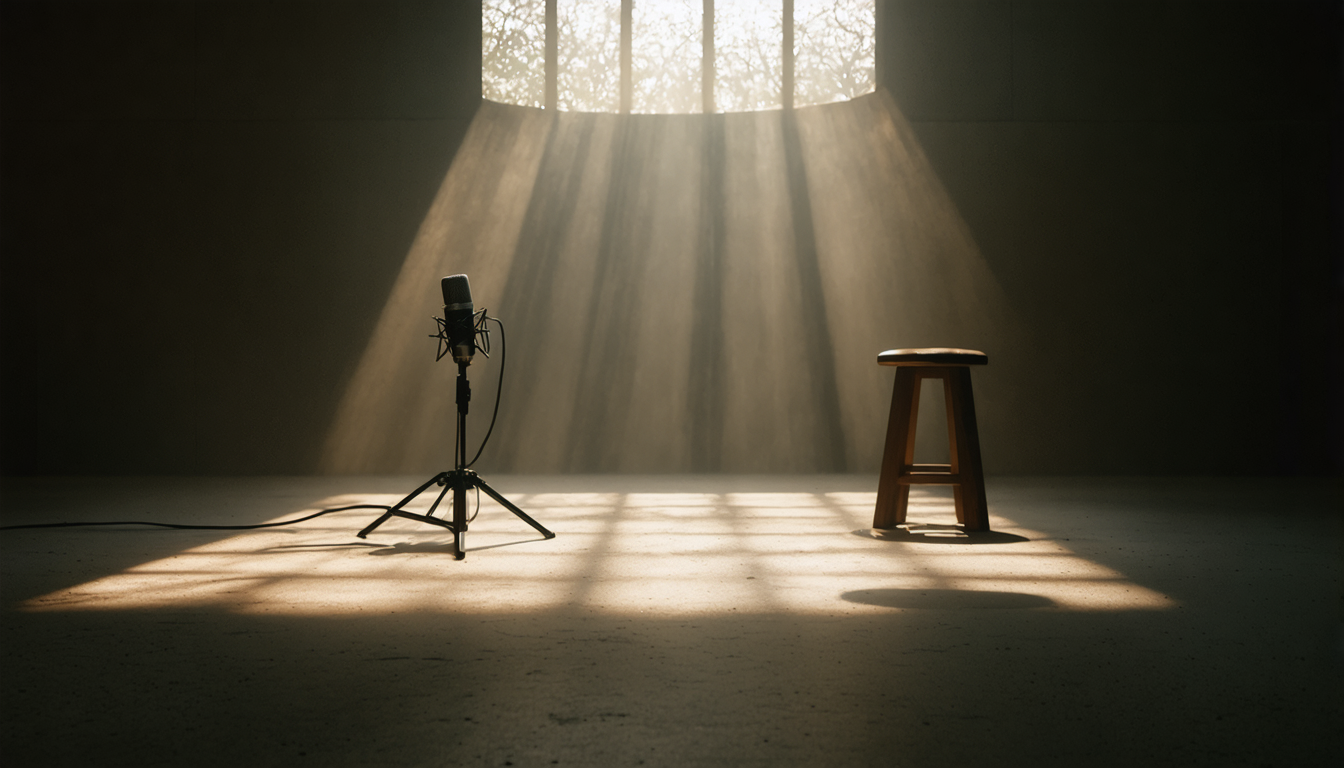
I ask only that he stop calling a graph a revelation, and stop mistaking the sound of a congregation exhaling for the sound of the future arriving. The two are easy to confuse in a room built for acoustics. They are not the same sound. One of them is only people, agreeing to be afraid on schedule, which is the oldest trend there is.