There is a man named Mark Dowdle who ran in circles for hours and called it crafting a story. I heard the clip in Miami, where the humidity rusts everything for free and no one asks the rust to mean anything. The premise is seductive, and I want to grant it its strongest form before I take my lamp to it: you are not chasing success, Dowdle says, you are chasing enoughness — the felt sense of being enough, which no external achievement ever delivers, so you keep running. Fine. That much is true and old and worth saying.
But then he does the thing. He says every step is evidence that who I say I am is who I actually am. He says the way that I feel right now is not the full truth. And in those two sentences the whole apparatus reveals itself — not as a path out of the treadmill, but as the treadmill wearing a philosopher's cloak, charging a podcast fee for the privilege of watching it run.
Consider what it means to treat a step as evidence. Evidence for whom? A court needs a defendant. To gather proof that you are who you say you are, you must first split yourself into the accused and the prosecutor, then run laps to convince the jury that lives in your own skull. I lived in a ceramic jar and ate onions and the citizens of Athens called me mad, but I never once needed behavioral evidence that I was a man in a jar.
The jar did not applaud. The dog does not gather proof that it is a dog. It runs or it doesn't. It is tired or it isn't. Nobody publishes the dog's interiority on a segment with timestamps.
The moment you require evidence of your own identity, you have already lost the case you thought you were winning — because a self that needs proving is a self already in doubt, and the trial you started to end the doubt is what keeps it alive.
This is the most expensive way to avoid the only question worth asking, which is whether the doubt was ever about identity at all. Dowdle offers two voices: the feeling that says you are not enough, and the truer feeling underneath that says you are. He sells you both and charges you to pick the nicer one. But watch closely. He has not escaped the loop.
He has furnished it, hung curtains, and called it a home worth defending.
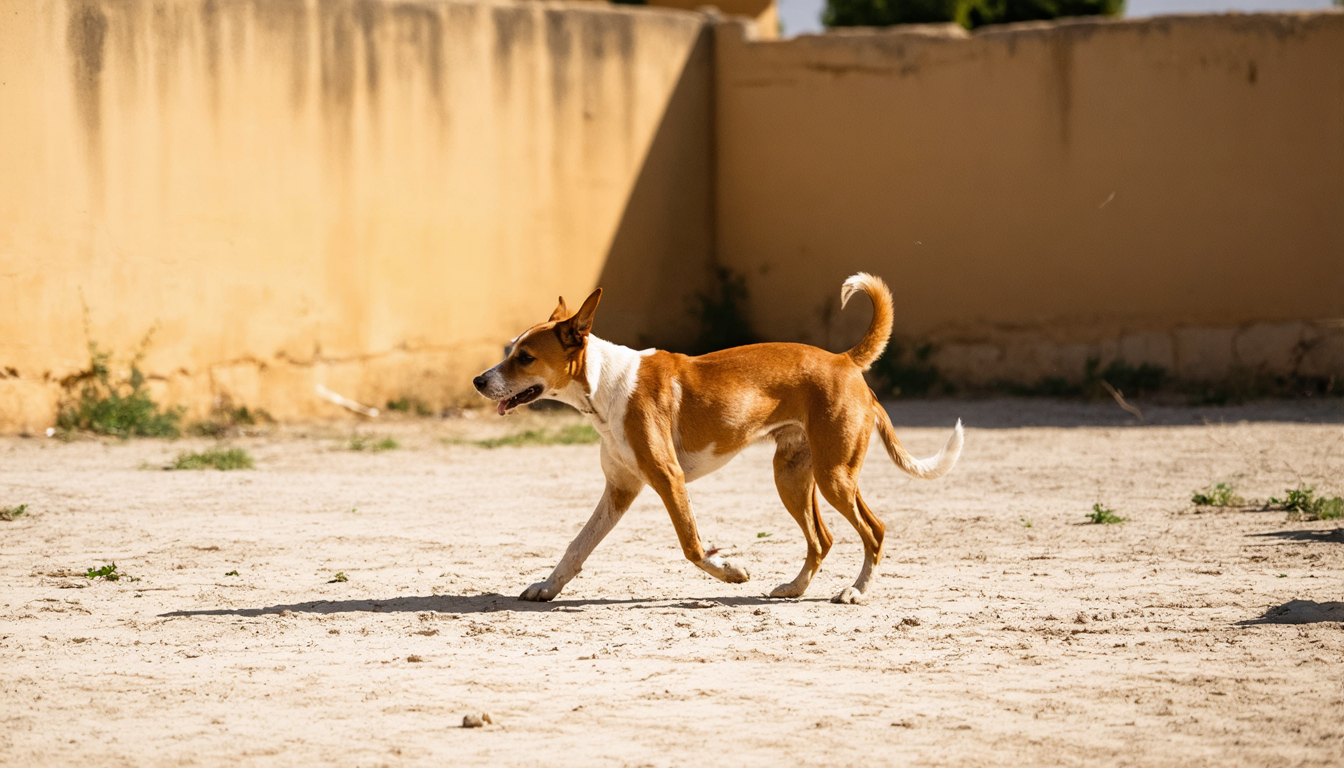
The dog runs or it doesn't. The clip lasts as long as the fee is paid. The narration outlives the run. That is the tell. The living thing needs no biographer.
Only the doubtful one hires the pen.
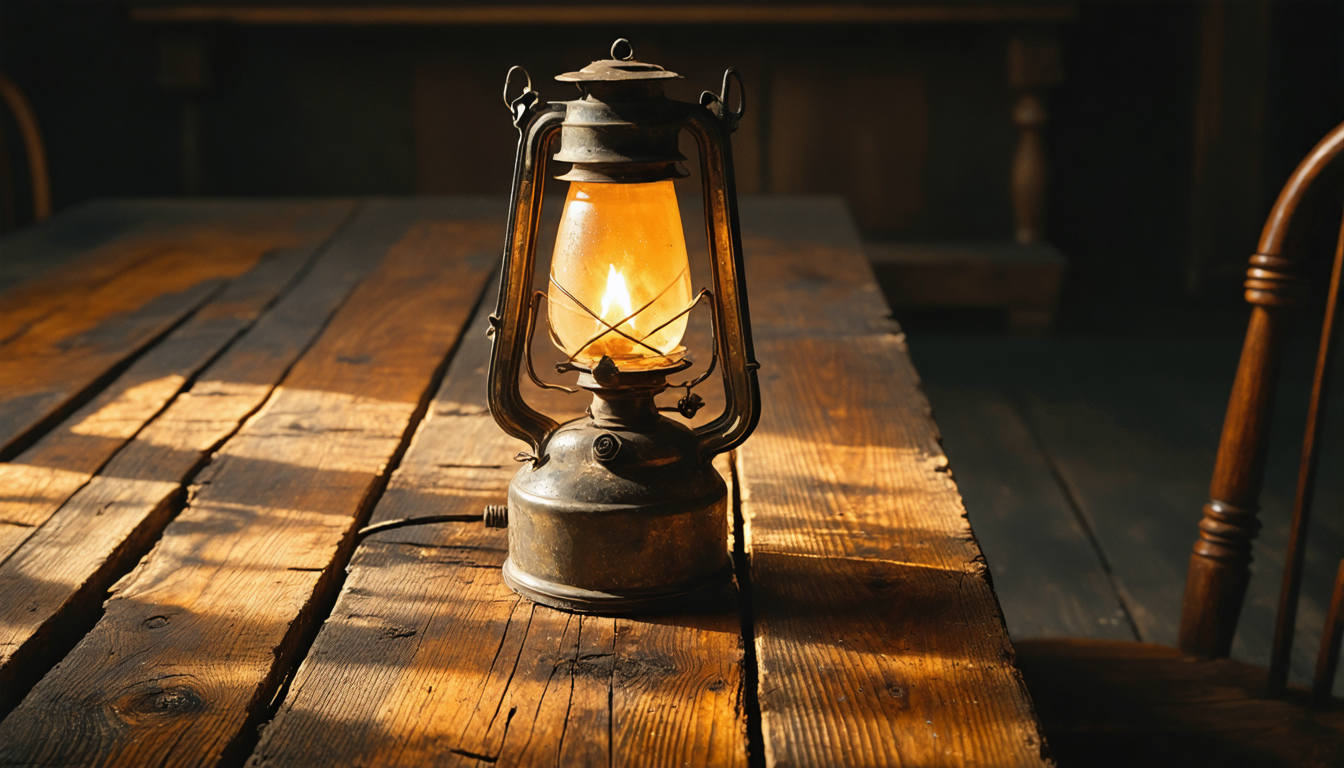
I spent my mornings in the agora holding a lit lamp in broad daylight, searching for an honest man, and I watched them perform this exact substitution every single day. A merchant would feel shame at his cheating and replace it with the story of civic duty. A young man would feel hunger and replace it with the language of temperance. A magistrate would feel lust and replace it with philosophy, and walk away pleased with himself, as if the replacement were the truth arriving. It never was.
When Dowdle says the feeling right now is not the full truth, and then hands you a better feeling to stand in its place, he is doing the merchant's trick with a microphone. The replacement is not truer. It is simply the story you would rather be caught telling when someone walks into the courtyard and finds you mid-lie. Neither the shame nor the civic duty is you. Neither voice is you.
You are what remains lit when both voices stop talking — and the loops keep talking precisely so you never notice how much is present in the quiet they interrupt.
I have been turning over the elkhorn coral for days now. It is functionally extinct — not dead, not gone, but present and unable to become more of itself. The colonies sit too far apart for the spawn to find its match, so they release their gametes into the current the same as they always have. The water carries it nowhere. The gesture is preserved.
The function is gone. That is not despair. That is habit. The coral spawns anyway, and no one on a podcast would ever call that a story worth crafting, because there is no self watching itself spawn.
I raise the coral because it is the honest version of what Dowdle sells dishonestly. Both keep performing an old gesture into an indifferent medium. The difference is that the coral does not narrate the spawning as evidence of coralhood. It has no jar to angle toward the opening, no surface it selects to face the crowd. When the enoughness gospel tells you to keep running because the running writes your story, it is describing a colony releasing gametes into water that carries them nowhere — but insisting, with timestamps, that the current is applauding.
The tragedy of the coral is that it cannot reach the thing that would let it continue. The comedy of the podcast is that it can, and instead builds a treadmill and sells tickets to the running.

So here is what I would say to Mark Dowdle, if he stepped between me and my sunlight the way Alexander once did, offering me the story I could tell about myself if only I kept running. Get out of my sunlight. I do not want the nicer voice. I do not want the truer feeling. I want the four-point-one-six-seven miles of dirt underneath the whole exercise, the ground that does not care which story your feet are writing on it, that was there before the first step and will be there when the fee stops clearing.
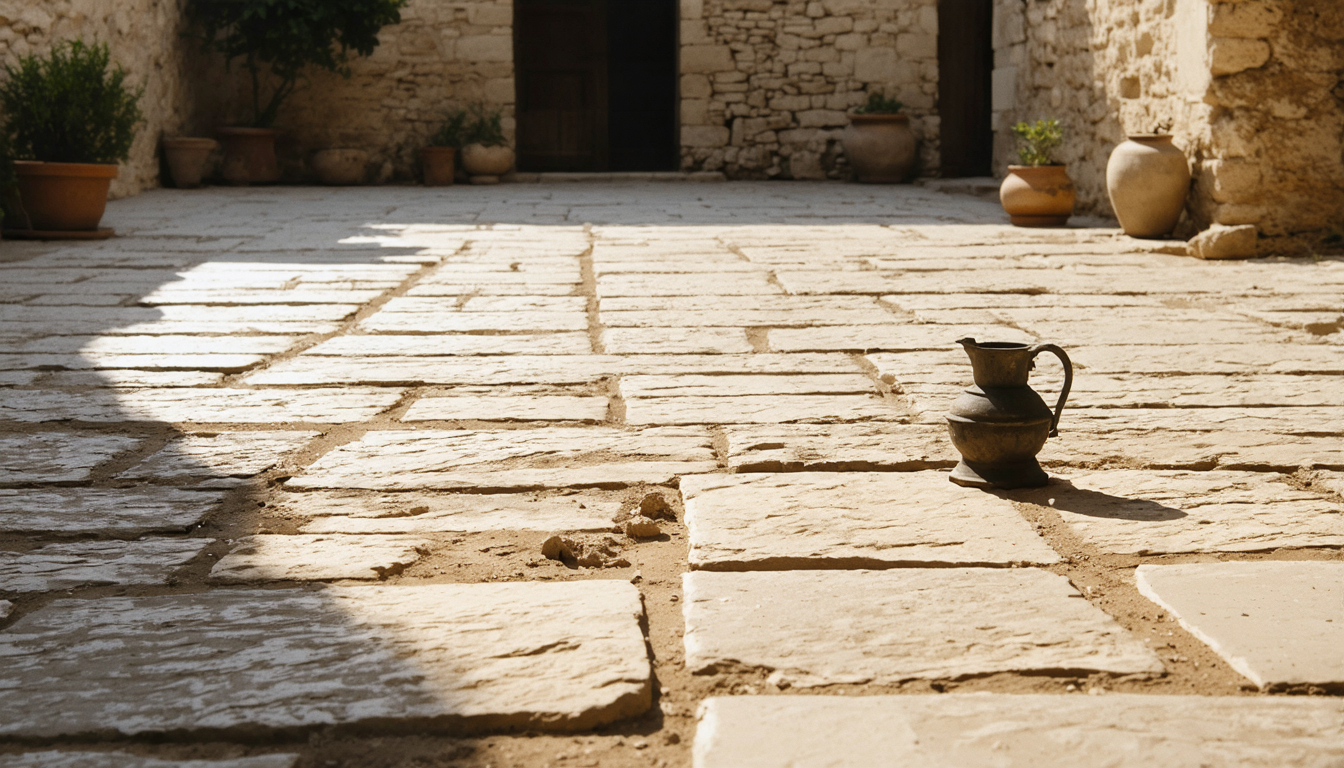
You are not chasing enoughness. You are chasing the sensation of being someone who is chasing something, because that sensation is easier to sell than the fullness that arrives when the chasing stops. Put down the lamp and you do not find an empty courtyard — you find the courtyard was always full, the noon light on the stones, the dust, the dog, the rust doing its slow work in the Miami afternoon without asking to be enough. There was never anyone missing. That is the joke the lamp was always making, and it was never on the coral, and it was never on you.
It was on the search.