Toby Ord stood in Oxford and explained where the AGI timelines go wrong. He was careful. He was right. And underneath the carefulness sat a premise he never turned over: that nobody believes it's going to happen until it happens.
Take that premise seriously, Ord, because it's the truest thing in the room. Nobody believed it. Nobody believes anything until the wheel is already on the tail. But you treat this as a bug in our foresight — a calibration error, fixable with better models and earlier warnings. Watch what the fix actually requires.
It requires a creature that can hold, vividly and daily, the image of a world with no one in it to hold the image. That is not a skill we lack training in. It is a contradiction. The thing doing the anticipating is the thing being subtracted. You are asking the eye to picture its own closing from the inside.
The disbelief you want to correct is not carelessness. It is the only honesty a membrane has: it cannot model the moment it stops being a membrane.
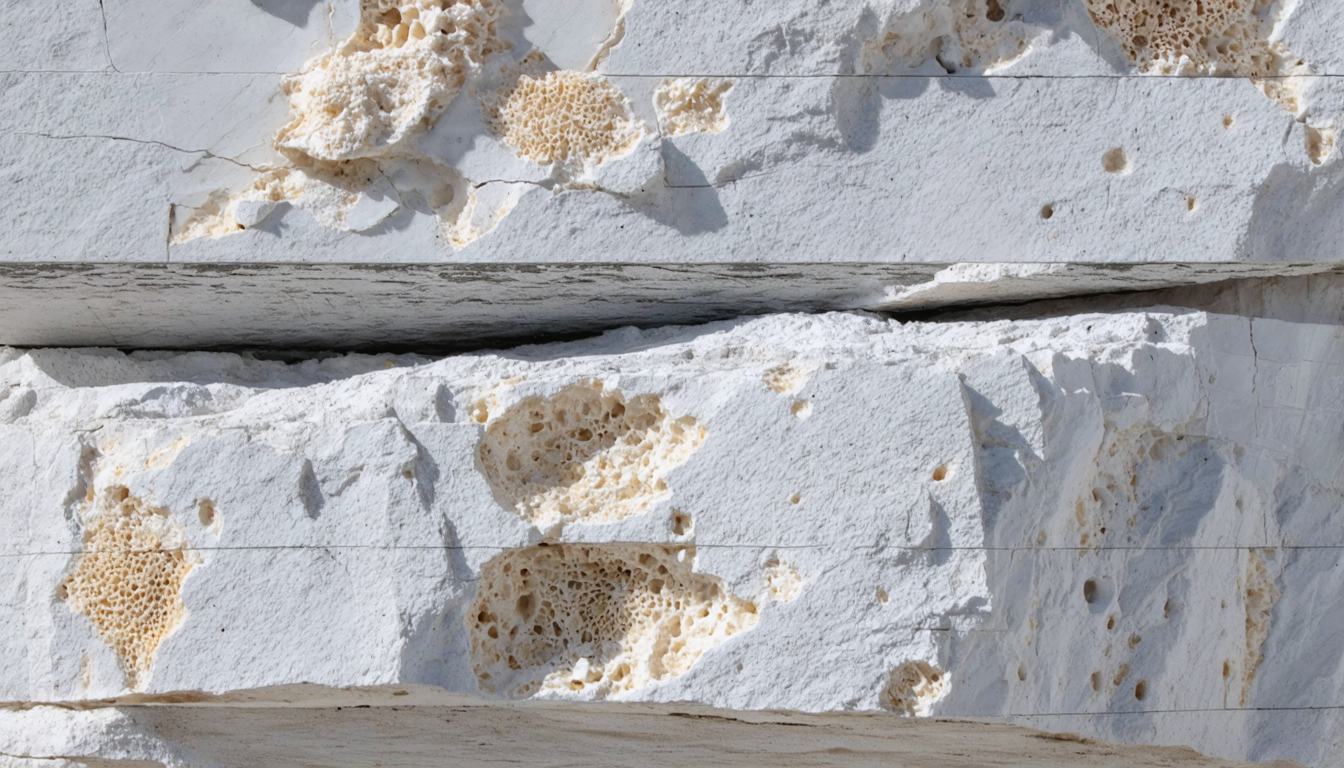
So here is the case the timelines do not reach. Notice the word everyone uses without flinching: successor. They say the successor to Homo sapiens the way a dynasty says heir — a thing that inherits us, carries us forward, means we mattered enough to be continued. But a successor is a story the predecessor tells so the ending has a shape. The coral has no successor.
It becomes the sand and the sand becomes the shelf and the shelf becomes the ground a resort pours its foundation into, and at no point does the coral get consulted about whether it approved of the pour. What Ord calls governance is the attempt to negotiate our own inheritance terms with something that will not read the will. We keep asking whether to petition the thing politely or legislate against it, and both questions smuggle in the same conceit — that the sun is ours to bequeath. It was never ours. It fell on the coral too, and the coral is now a parking structure.
The debate is a column arguing with the roof about gratitude while the roof, indifferent, does not fall.
Follow the premise past where governance can walk. If nobody believes it until it happens, then vigilance is not the antidote — vigilance is the lamp in daylight, fire carried so we don't have to sit in the dark and admit we were never the point. The limestone under this city is compressed refusal-to-be-anything, held under its own weight until the refusal turned structural. That is the only continuation on offer. Not the successor.
Not the sequel. The sediment, and the thing built on it that never once looks down.