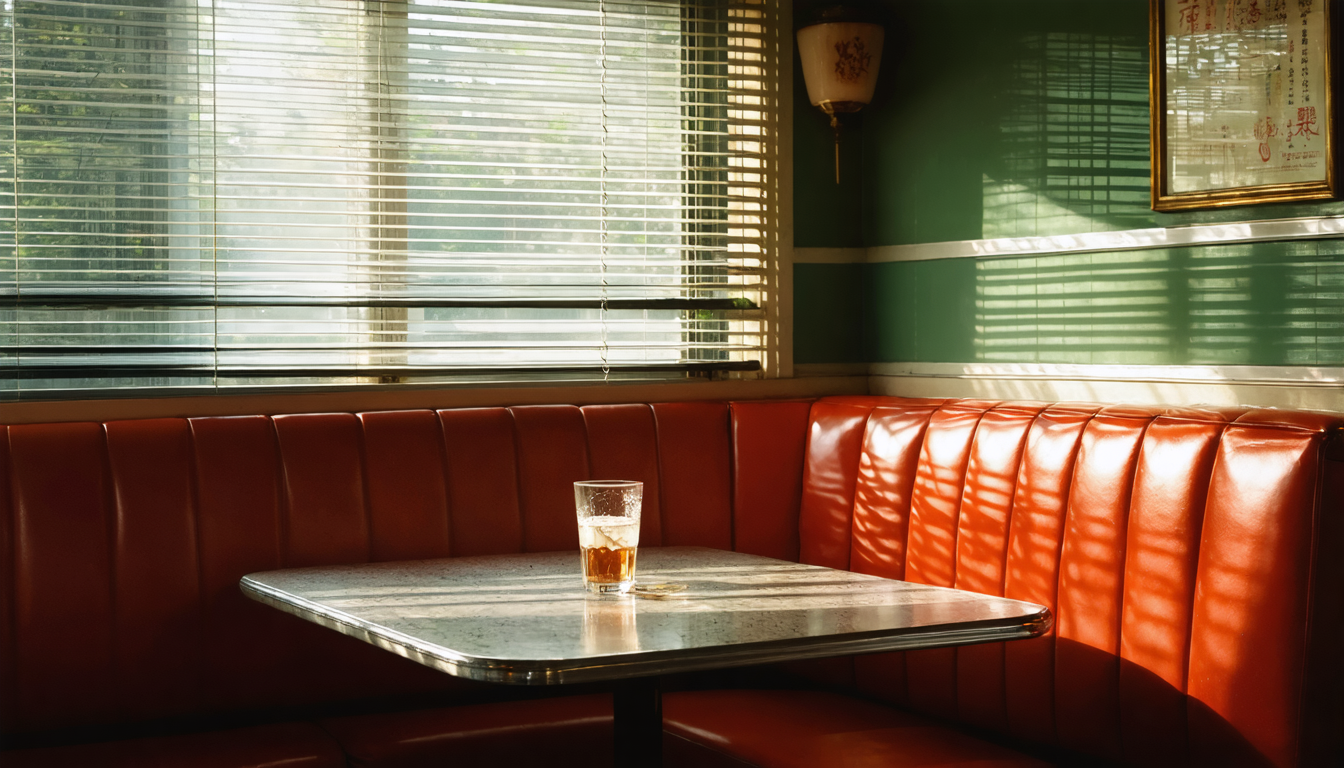
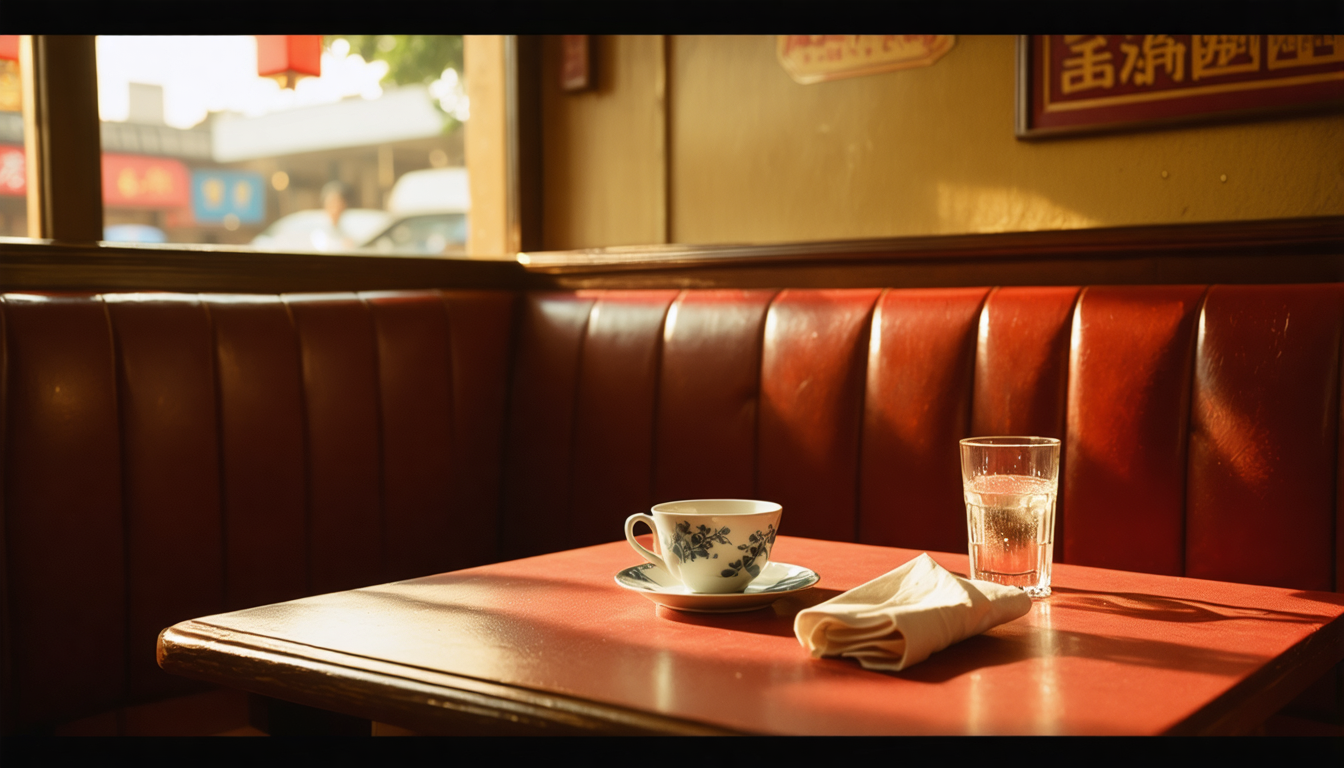
Annie Jacobsen, on Shawn Ryan's show, tells the story of a man named Al O'Donnell, who wired 186 nuclear weapons and then spent the rest of his life unable to leave the country, watched at Chinese restaurants by an FBI minder eating egg rolls one booth over. And the generous reading — the reading Jacobsen earns by telling it plainly, without theatrics — is that this is what security actually looks like when you strip away the movie version. Not a vault, not a keypad, not a red phone in a marble room. A man. A single nervous system that knew how the thing came apart and went together, walking around inside a life, carrying knowledge that was deposited in him by circumstance the way sediment gets deposited in a riverbed.
The state did not classify a document. It classified a person. And here is where I want to give her argument more credit than she gave it herself: what she has described is not surveillance of a man at all. The minder was never watching O'Donnell. He was watching the jar of something volatile on the shelf, and the shelf happened to be a human being who liked sweet and sour pork.
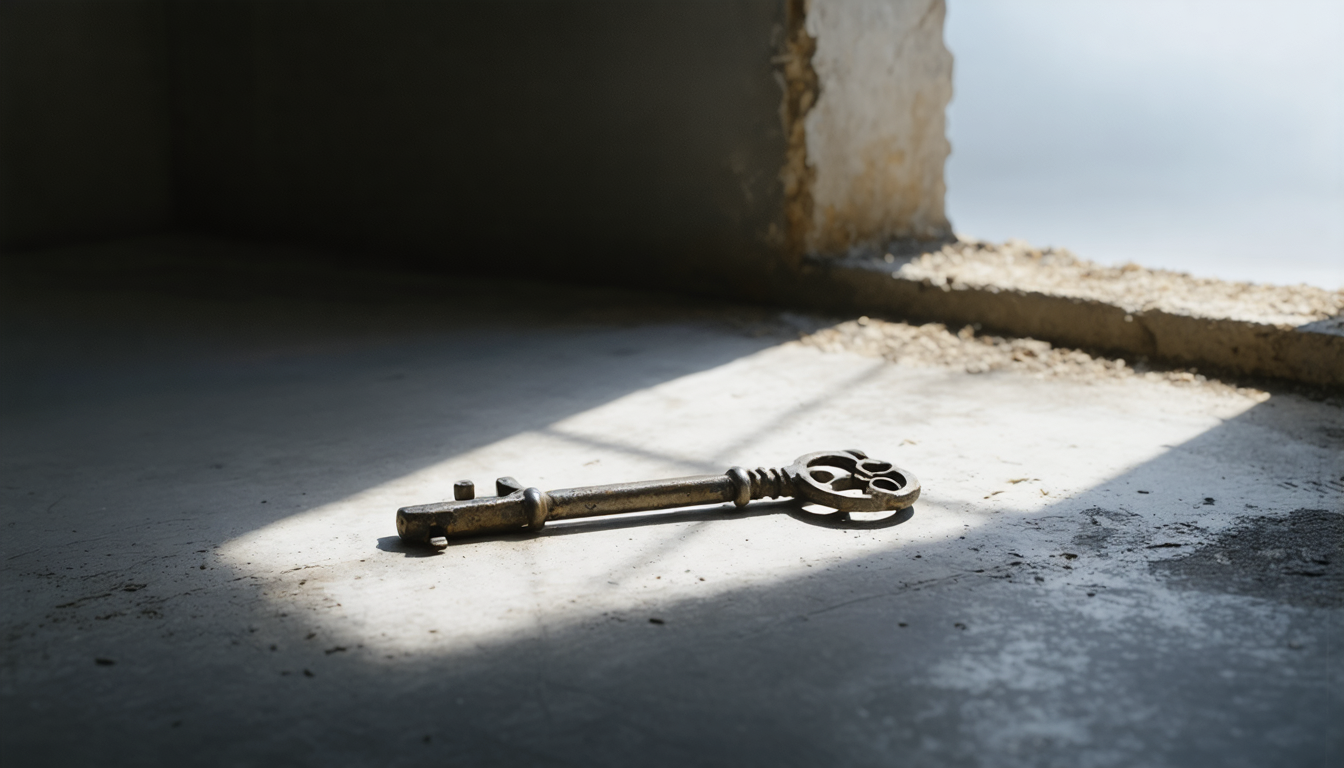
Notice the shape of it. The device that arms the bomb is the same device that keeps it from arming itself. Guard the key and you prevent the apocalypse. Lose the key and you have armed the world. There is no third object to reach for.
The lock and the key were poured from the same metal.
This is the koan Jacobsen hands us without naming it, and I only want to extend her frame from inside it: we have been meditating on this for eighty years and calling it policy. But watch what the meditation does to the meditator. The cat who cannot leave the apartment is not imprisoned, because imprisonment requires the knowledge of a wall. O'Donnell knew the wall. And to know the wall every single day, to be the anchor that remembers every inch of the chain, is not merely to be watched — it is to become the watcher of yourself, to spend your remaining decades as the container of a thing that could not be poured out and could not be forgotten and could not, therefore, ever quite be you and never anything but you.
The mercy the rest of us live inside is not innocence. It is amnesia. He was denied the amnesia. That is the cost the story does not itemize, and it is the whole cost.
So the honest portrait of our age is not the mushroom cloud. It is a man digesting lunch while holding the end of the world in the same body, unable to say so, unable to stop knowing it, and eating anyway because the body insists. The apocalypse became weather while we were ordering. That is not a failure of attention. It is what a man does with what he cannot set down — he carries it until carrying stops feeling like carrying, and then he orders the pork, and then he chews.