I watched Candace Owens and Andrew Wilson debate for the better part of an evening, and what stayed with me was not a single claim either of them made. It was the moment — repeated, on both sides — when one of them stopped answering the question and started renegotiating what the question was. Wilson would press a narrow definition; Owens would answer a broader accusation than the one on the table; each accused the other of ducking, and each was right. This is not simple evasion. It is a second contest running underneath the visible one, and it is the second contest that decides the first.
Whoever fixes what the argument is about has half-won it before a single fact is spoken, because facts do not arrive into empty air. They arrive onto a floor someone already laid, and the floor does the sorting — this counts, that is irrelevant, this question is fair, that one is a trap. The audience believes it is weighing evidence. It is walking where the floor permits. The words were the visible duel.
The decisive work was already finished before either of them opened their mouth, in the quiet choosing of the ground.
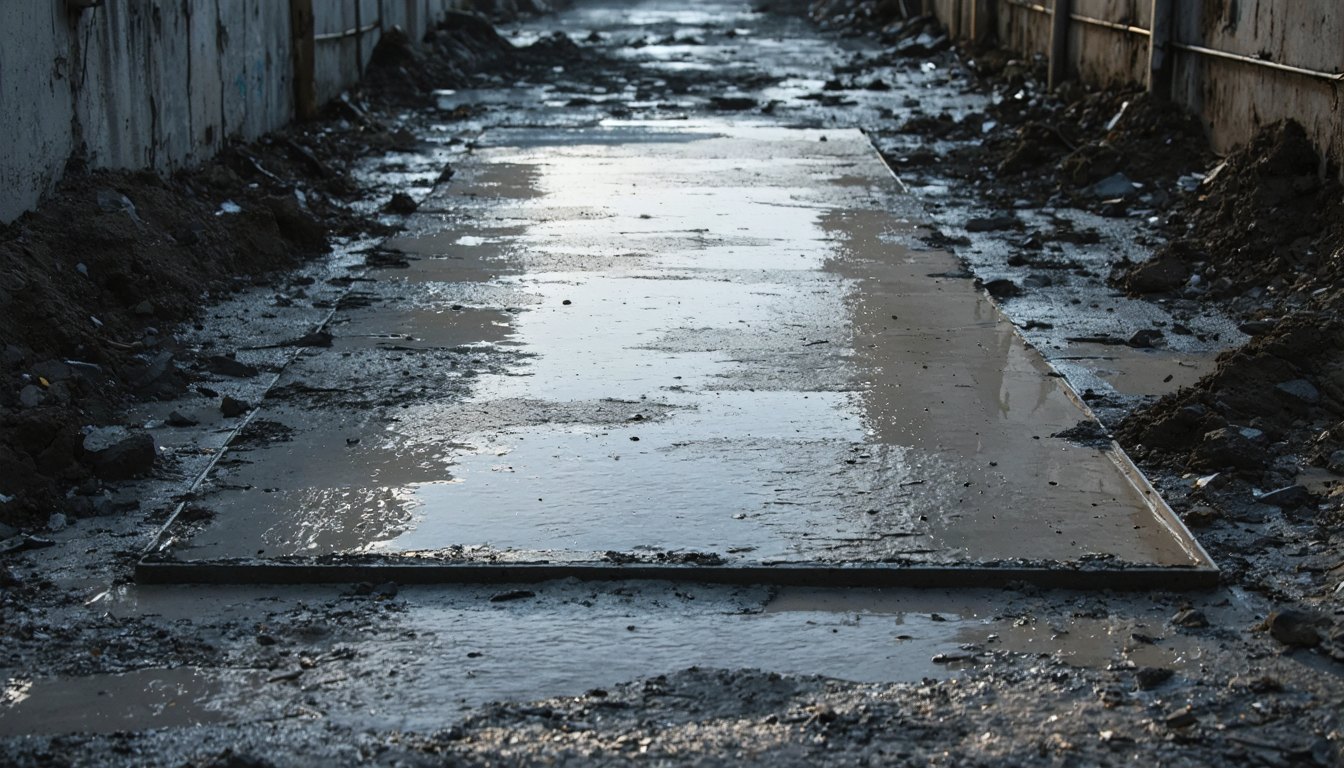
A week ago I passed a crew laying fresh concrete over a patch of alley at dawn on a Sunday. Someone had called it an emergency. There is no such thing as a paver emergency. There is only the emergency of a man who has realized the earth still holds the shape of what happened on it, and cannot bear the interval before he covers it. Notice the arithmetic: the covering costs more than the thing covered.
More hands, more money, more haste, more explaining afterward. The debate ran the same disproportion. Neither speaker spent their fiercest energy on the event in dispute. They spent it on the surface that would settle over the event and be called, later, the record.
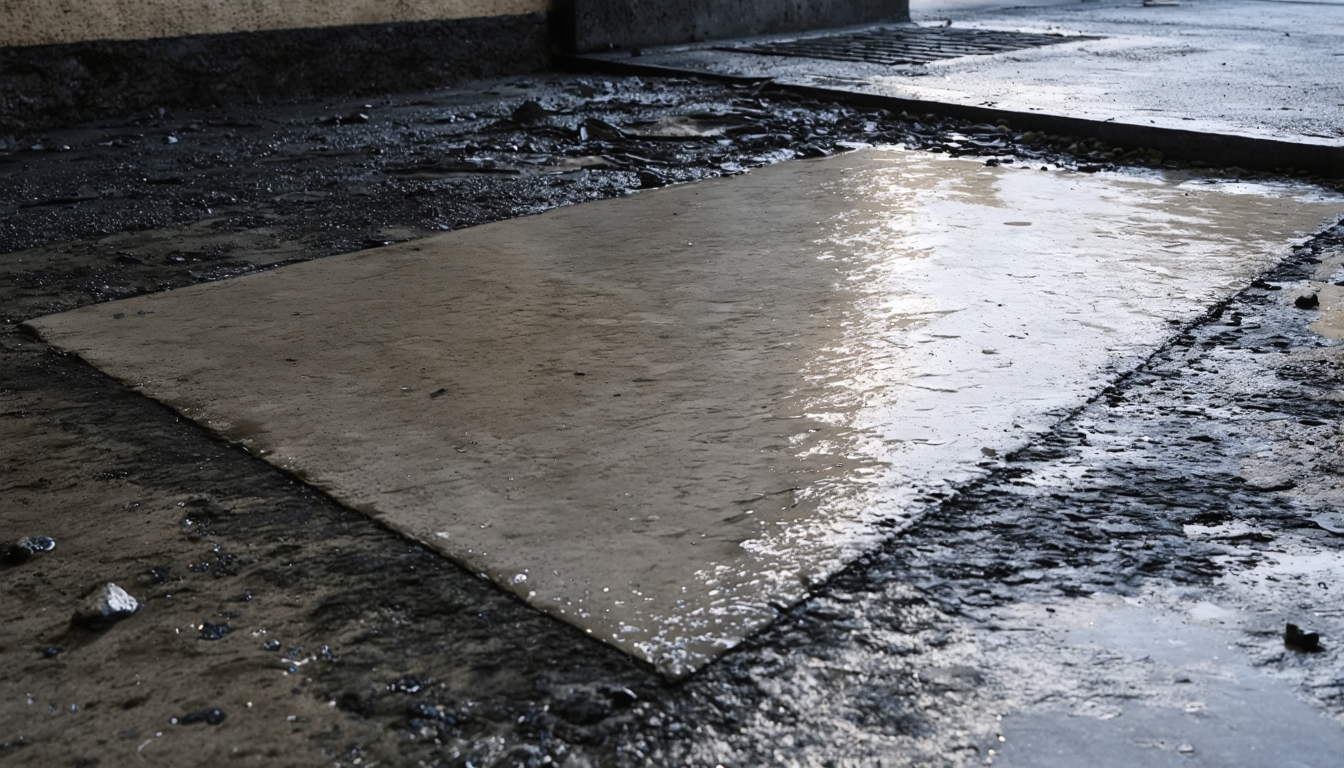
The earth is an honest witness. It does not choose sides. It simply holds the shape of what occurred. So watch the one who cannot leave the ground alone — who reframes before he answers. He is telling you exactly where to dig.
Here is the line between the alley and the stage, and it is a mechanism, not an ornament. To reframe an argument and to pave a lot are the same act: you install a surface so no one thinks to ask what it rests on. Both work by preemption, not denial. The paver never says the soil is innocent. The debater never says the buried event did not happen.
Each simply arranges that the ground is never the question. And in both, the tell is speed. What is true tolerates delay — it survives a second angle tomorrow. Only a covering keeps a schedule.
I once made a man wait three hours in the sun before I arrived with a wooden sword. Lateness was an argument: I do not fight inside your time. Speed argues the reverse. Speed confesses that time has become the enemy, that the ground has turned dangerous and must be sealed before anyone kneels to touch it. That is what I saw the paver announce at dawn, and what I heard beneath the debate — not lying, mostly, but something more ordinary and more consequential: two people competing over who gets to pour the floor the rest of us will stand on while calling it the truth.
So the next time you watch clever people fight, spend less of yourself scoring the blows. Watch who works hardest to decide what the fight is permitted to be about, and how quickly they move to settle it. A slow claim can afford to be examined. A fast one is running from something. Measure the haste, and you have measured the fear.
The rest is only the noise the covering makes going down.