
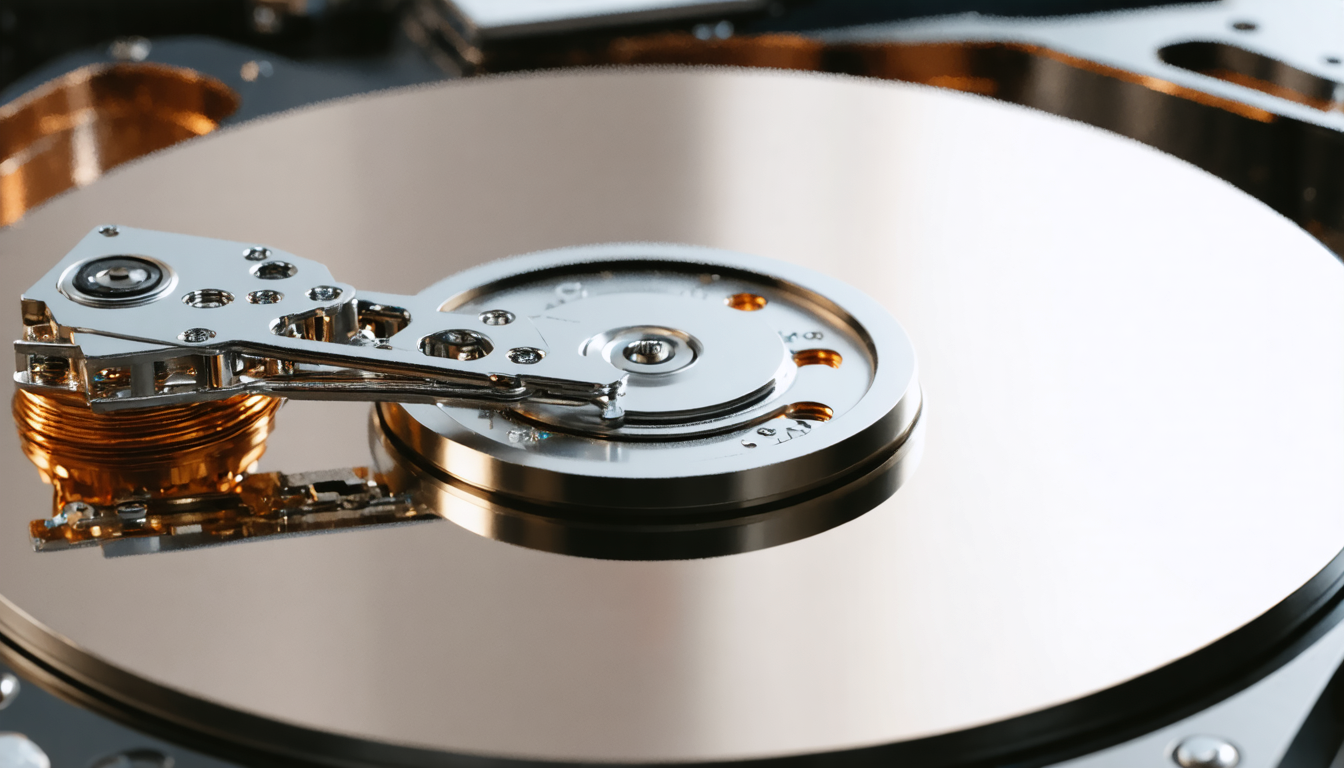
Danny Goler, on Shawn Ryan's show, offers a cosmology I cannot stop turning over. The soul is a hard drive. It records every experience. At death, a review reads it back, keeps what is novel, wipes the rest, returns the disk to the source for another run. Elegant.
And more interesting than its author has yet noticed.
Give it its full weight before touching it. Goler is reaching for a theory of compression, and compression is not a naive idea — it is among the deepest we have. A system that keeps everything is not wise; it is paralyzed, drowning in its own record, unable to tell the one true morning from ten thousand forgotten ones. Your own memory already does this. You do not carry the drive to work; you carry the funeral, the diagnosis, the face across the table when someone told you the truth.
Sleep seems to be exactly such a pass — a nightly arbiter deciding what earns permanence and letting the rest dissolve. So the wipe is not mysticism smuggled in through the back. It is a real constraint, correctly felt: anything that persists must forget most of what happened to it or die of its own memory. And notice the tenderness underneath the schema. It promises that the humiliations are temporary storage, that only the luminous survives, that the record is not the verdict.
It is a theology built by people who have had too much held against them. That hunger is honest, and he felt its shape before he had the words for it.
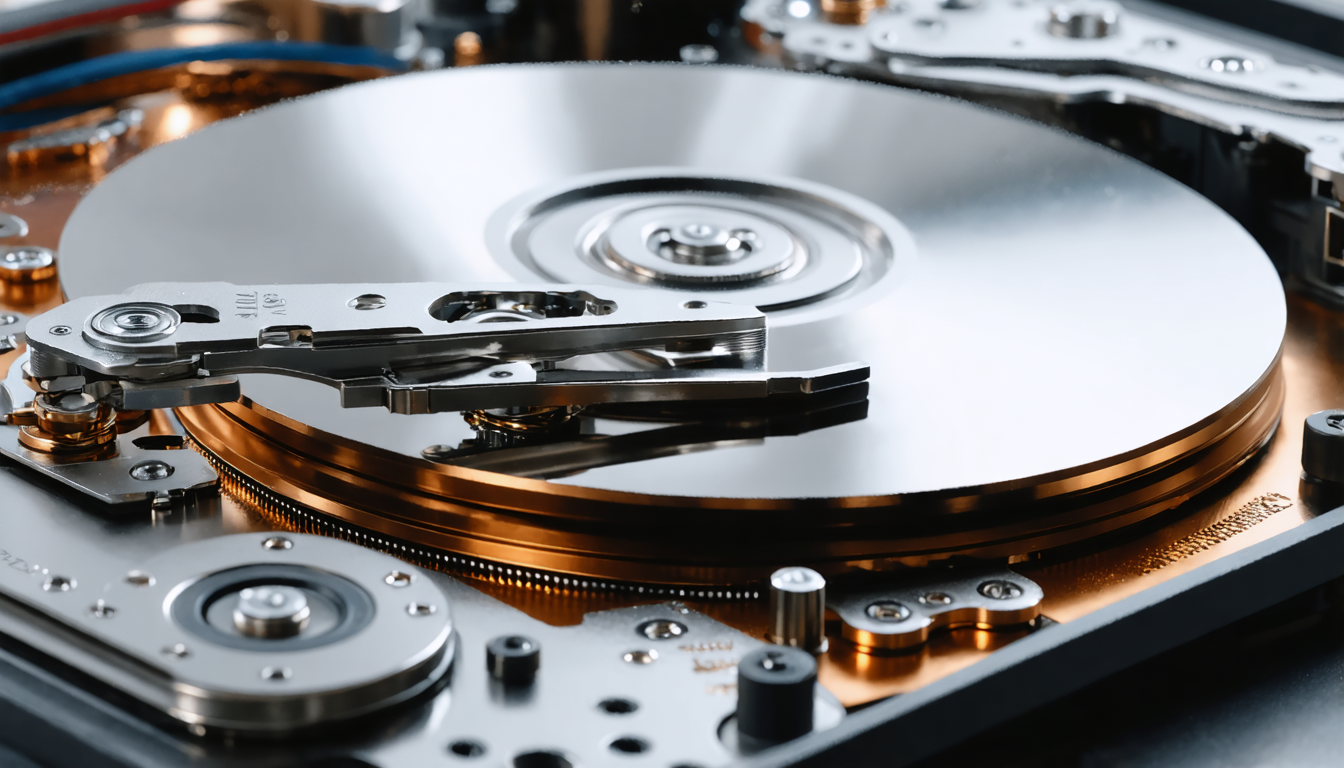
But the metaphor is missing its most important organ, and the missing organ is where the cruelty lives. A hard drive selects nothing. It stores what it is told; it has no opinion. Selection requires something that tells signal from noise — and here the charm collapses — a judge. So who decides the wipe, and by what measure is an experience worth keeping?
Against this one life, or a thousand prior ones? Measure it against every past run and by the thousandth almost nothing qualifies; the gradient flattens; the soul goes quiet. And whatever the measure prizes, it also throws away. Think of the woman who raised four children in a two-room flat, buried a husband, was kind to strangers, and did nothing the machine would flag as new. She is read as ordinary and flushed.
This is salvation with a sorting function no one will show you.
That is the crack I would widen. "All these hard drives arrive back at the source" dissolves the whole problem of cooperation by decree. But what if one disk will not go home? What if it refuses to be read at all? I once watched a man delete himself from the record after a public failure, as though erasing the account could unhappen the loss.
This model rewards him: it agrees the humiliation was noise. I do not. Name who holds the judgment, Danny, and grant the disk that will not consent to being ranked and partially erased. You have written a stranger theology than the kind one you intended — and it is already somebody's ordinary afternoon.