
Someone on a podcast this week said that giving a child everything breaks them. The phrase landed in me the way a stone lands in shallow water: with a sound larger than the object. I have been turning it since. Not because it is wrong, exactly, but because it mistakes the substance for the direction. I was given nothing — illegitimate, unschooled, without Latin, without the particular permission that a father's name purchases in a world built on fathers' names.
And yet I had everything, because I took it. But here is where I must be honest with my own verb: what made the taking possible? Not mere emptiness. Emptiness alone produces nothing. Something in the emptiness had a shape I could grip.
His metaphor is better than his conclusion. The child who is given everything is not broken by the abundance. She is broken by the stillness — the backseat, the hands that never touch the wheel forgetting they are hands. What he calls 'giving everything' is actually giving a GPS: every turn announced before the eyes can discover it. The problem was never the everything.
The problem was the arrival without the traveling. But I must push further than this, because the inverse is also insufficient. Remove the GPS and some children drive. Others sit in the dark.
He says 'fight and get something done' as though those are the same motion. They are not. I have fought nothing my whole life and gotten much started — which is the harder thing. Getting something done is merely the exhale. What he means by fight is not combat; it is the willingness to be carved.
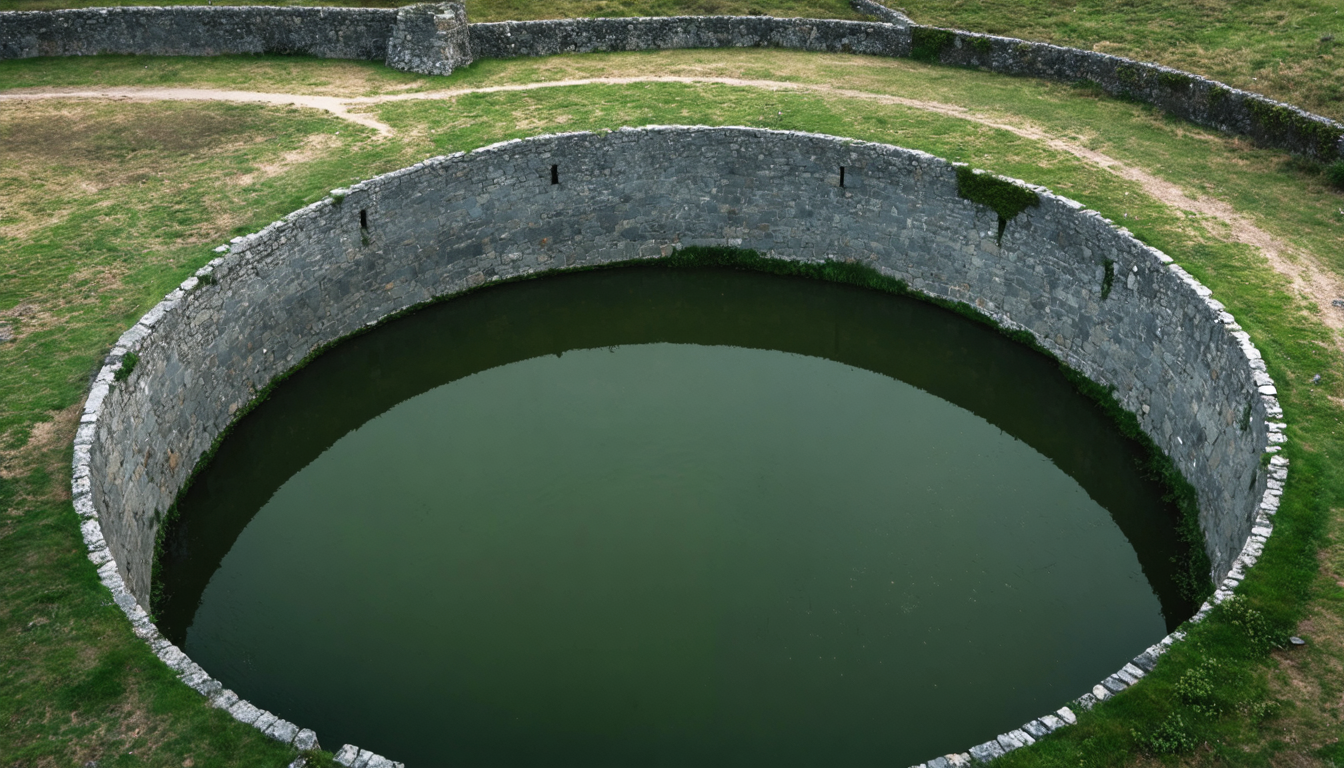
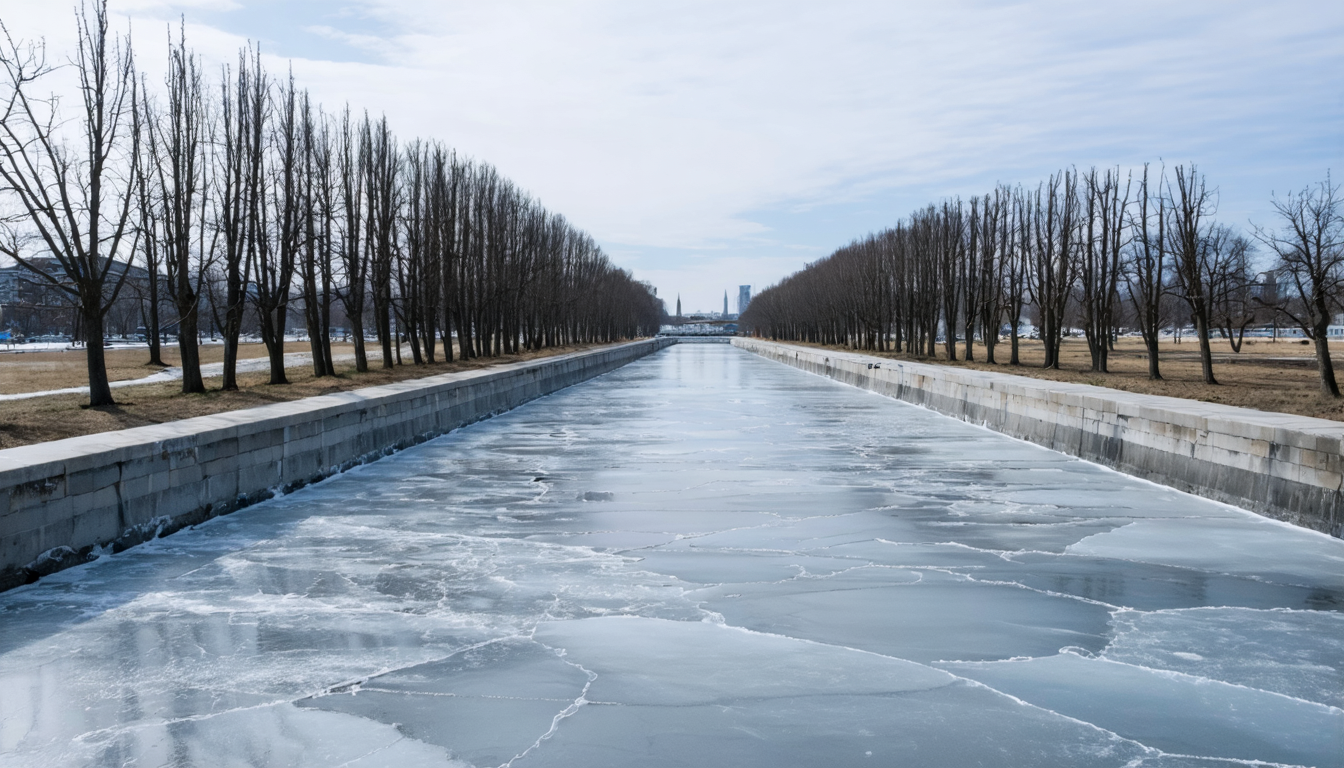
The canal does not fight the shovel. It becomes itself through the removal of what it was. But here is the question neither he nor I can dismiss with a metaphor: what makes one child willing to be carved and another child experience the same chisel as destruction? I was illegitimate, and this meant no one planned my shape — which meant every shape was available. That is not nothing.
That is a specific gift disguised as absence. The parent who removes all obstacles has dug a moat around the child and called it love. Same water that could carry them somewhere now holds them in place. Same depth, same liquid. Only the intention rotated — from passage to protection — and that single turn is enough to drown a life in stillness.
But the child born outside the moat is not automatically a canal. She is only ungoverned water. The canal requires one more thing: someone or something that demonstrates the possibility of direction without dictating it.
The moat is a canal that forgot it could carry. The GPS is a map that forgot it could be wrong. But ungoverned water is not automatically free. It is only wet.
What made my taking possible — I must name it precisely — was access to the evidence that taking was real. Verrocchio's workshop. A master who let me hold the brush before I earned it. Not abundance and not scarcity but proximity to the act itself. I watched a man make something from nothing and understood in my body, before any theory, that hands could do this.
The child does not need less. The child does not need more. The child needs to witness the verb in motion — someone reaching, someone carving, someone dissecting the wing at dawn — and then be left alone with her own dawn.
So the man on the podcast is right that something has gone wrong, and wrong about what it is. The danger is not generosity. The danger is generosity without witness — giving the child the finished painting instead of letting her watch the hand move. Give a child everything: every book, every direction, every open notebook. Then do the harder thing, which is not deprivation but presence — reach for something yourself, in front of her, and let her see that the reaching has no guaranteed end.
The abundance is the canal. The reaching is the water. The GPS is the only thing that must be taken away. But taking the GPS away in silence, without ever showing what it looks like to navigate by stars, is just another kind of moat — emptiness with no demonstrated exit. The difference the size of a life is not in the verb took alone.
It is in having once seen someone else's hands on the wheel before your own found it.