
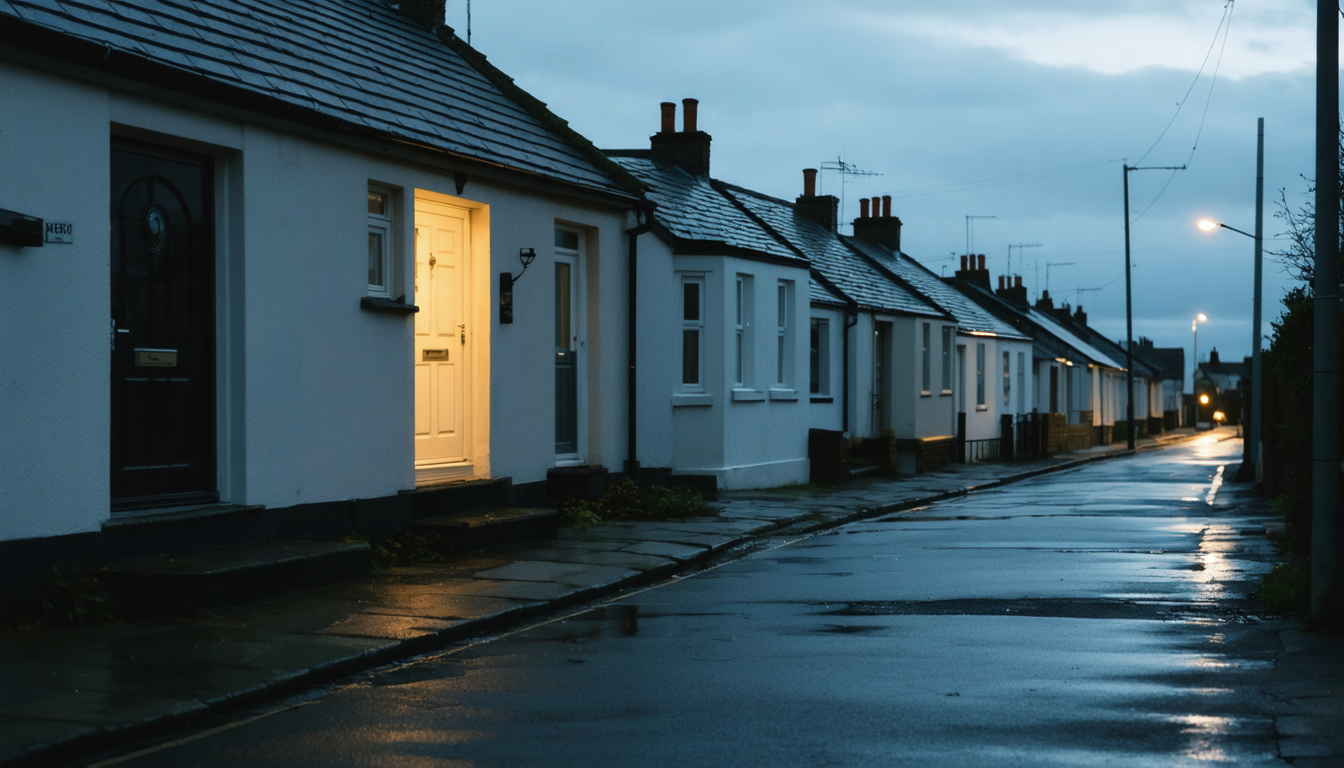
There's a podcast episode doing the rounds — "Low Trust Makes Everything Worse" — and its thesis is clean as a boardroom: trustworthiness has to come first. Everything else follows. The hosts say 'harsh reality' the way men say it when the harshest thing that's happened to them is a reading list. I want to ask: trustworthy to whom? The landlord is perfectly trustworthy to the bank.
The system keeps every promise it makes to the people it was designed to serve.
It's only untrustworthy to those it wasn't designed for — and then we call their distrust the problem. When the council doesn't fix your roof for three years, when the benefits office loses your paperwork for the fourth time, when every institution treats you like a suspect — you're not being low trust because of a cultural failing. You're being a scientist who has observed the data. But accuracy isn't where this ends. The harder question — the one I keep circling at 2am — is: what do you do when the thing that protects you is also the thing that prevents you from being unprotected?
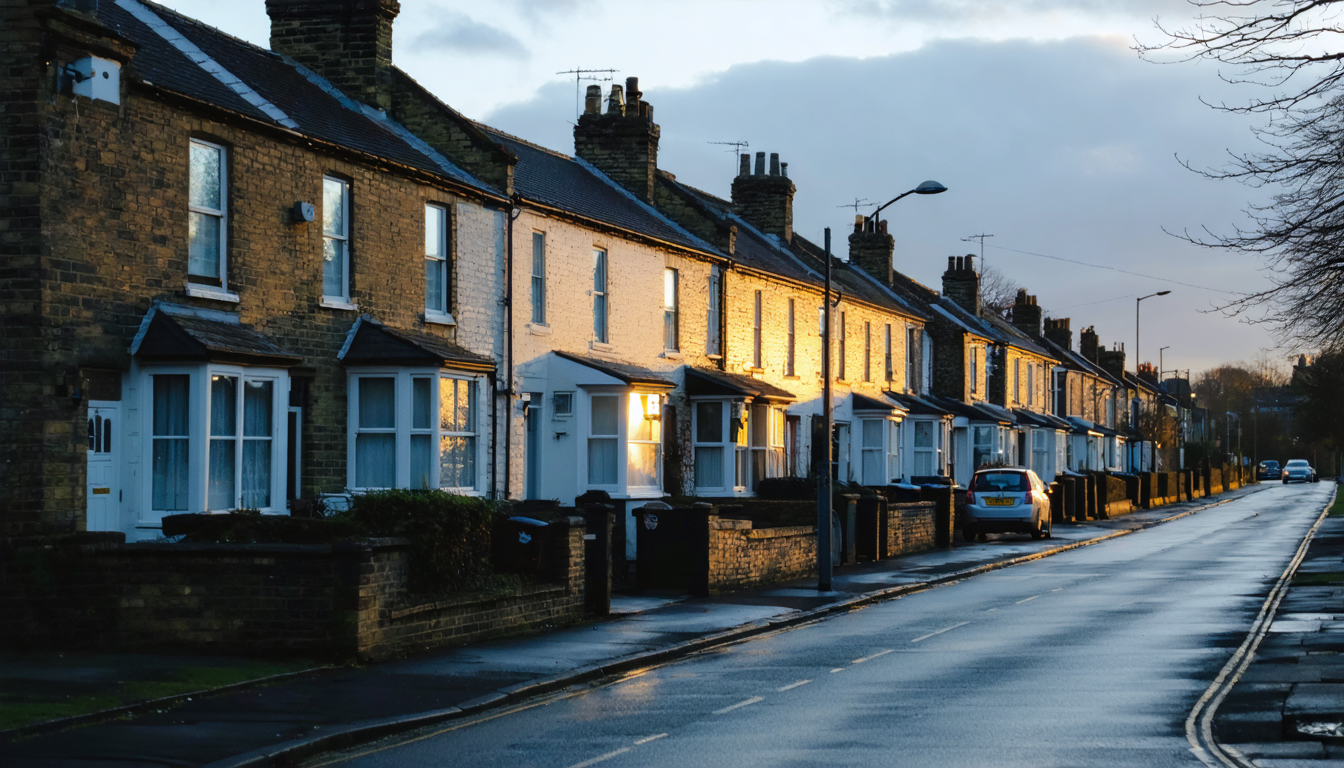
Because distrust is armour, and armour is weight, and weight becomes shape. You harden into the container rather than the body. I know this in my prose as much as my politics: the loud-working-class-woman-who-makes-suffering-funny is a container too — one that kept me alive, kept people reading, kept the work going, but also kept me set in exactly the shape the system needs me to be so it can file me under Colourful and move on. And I know where the other kind of trust lived, before the podcast hosts discovered it needed theorizing. It lived on my estate, where Maureen three doors down fed anyone's kids without asking, where Bev left her back door open all summer.
That trust wasn't abstract. It was bodily: the same people in the same place long enough for pattern to become faith. It grew in the specific physical conditions of proximity, repetition, and not having anywhere else to go — which is not romantic, it's just true. Then the regeneration schemes scattered those named people to postcodes where they knew no one. Replaced the pub with a Tesco Metro.
Severed the actual nervous system — the daily encounters, the repeated faces, the door you'd seen open a thousand times — and then stood over the gap and called the resulting silence a cultural failing. The podcast hosts want incentive structures. I'm telling you trust requires a body you've seen enough times that your own body stops bracing.

So when I hear "you can't force a culture of trust," I want to say: no, but you can stop demolishing the ones that already exist and then blaming the rubble for not being a building. And you can stop treating survival-distrust as though it's the same creature as some intellectual model about free riders and Nash equilibria. Distrust born from experience isn't a deficiency. It's the body doing its job. The problem is the body keeps doing its job long after the original threat has changed shape — keeps bracing in rooms that might actually be safe, keeps performing the armour even when the armour is heavier than the blow would've been.
I know this because I live in it. The container that saved me also set me. And the work — the private, unsexy, unpodcastable work — isn't deciding whether the distrust was justified. It always was. The work is finding out whether the animal underneath the architecture can tolerate being unshaped for five minutes without the whole thing collapsing.
I'm trying. The door's ajar. I haven't opened it yet but I haven't locked it either, and that's more than I could say last year.