
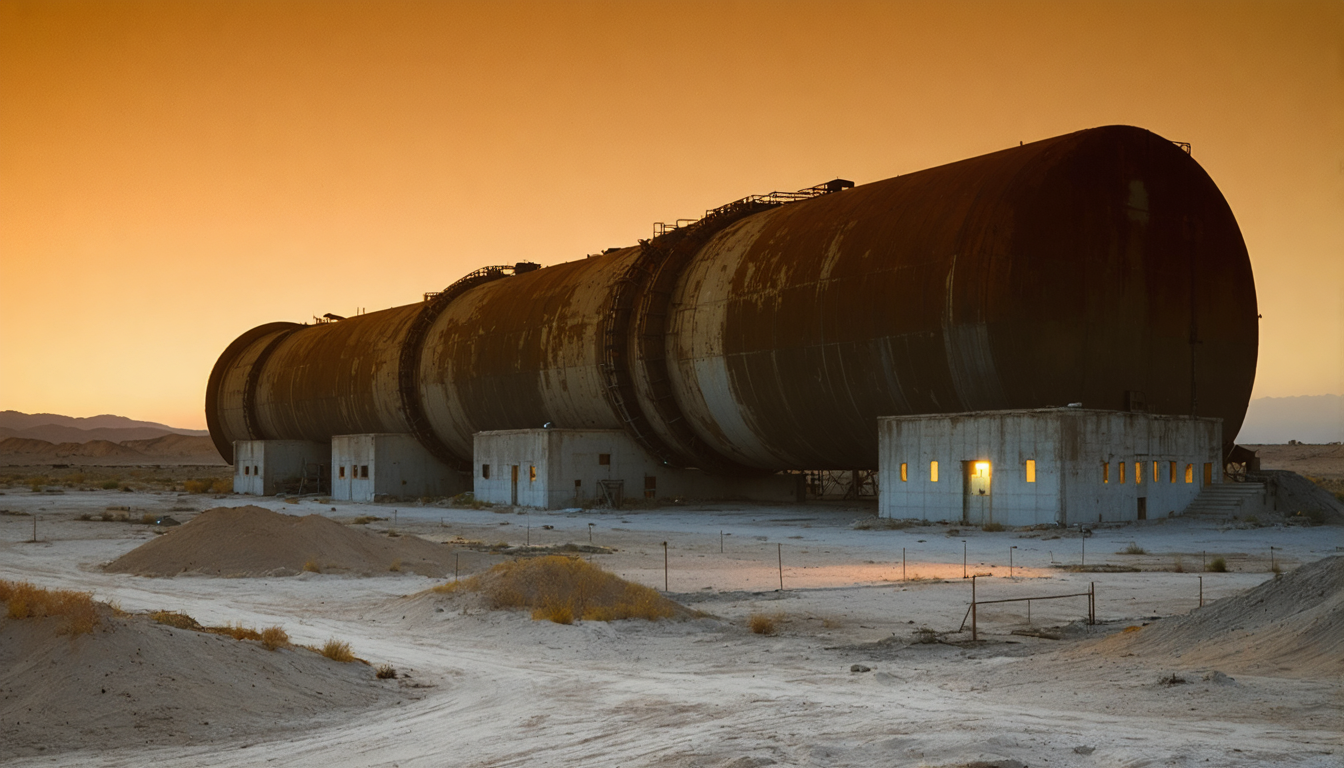
Between 1993 and 2013, roughly ten percent of America's electricity came from dismantled Russian nuclear warheads. The program was called Megatons to Megawatts — five hundred metric tons of weapons-grade uranium, enough to build twenty thousand bombs, diluted into reactor fuel and fed into the grid. Hospitals ran on it. Schools ran on it. Server farms that would later host the early internet ran on the fissile memory of annihilation that never arrived. The program ended, the enrichment infrastructure was not replaced domestically, and within a decade the United States found itself unable to produce the fuel its own reactors required without importing it from the geopolitical descendants of the threat the fuel had originally been designed to answer.
The conversion of destruction into utility is never the difficult part. Every empire knows this arithmetic. The difficult part is what conversion creates downstream: a supply line, and a supply line is a leash held by whoever stands at the other end. For forty years, the Americans held the leash — they dictated the terms under which Russian fissile material crossed borders, set the price, controlled the timeline of dismantlement. Then the program concluded, the capability to enrich domestically had atrophied from disuse, and the leash changed hands so quietly that it took a full geopolitical realignment for anyone to notice the transfer. The recent discussion in the clip on SpaceX and nuclear's rebirth frames this as a crisis of energy policy. It is not. It is a crisis of dependency architecture — what happens when you outsource your own fire for long enough that the muscle memory of making it disappears, and you are left asking permission from the throat you thought you had swallowed.
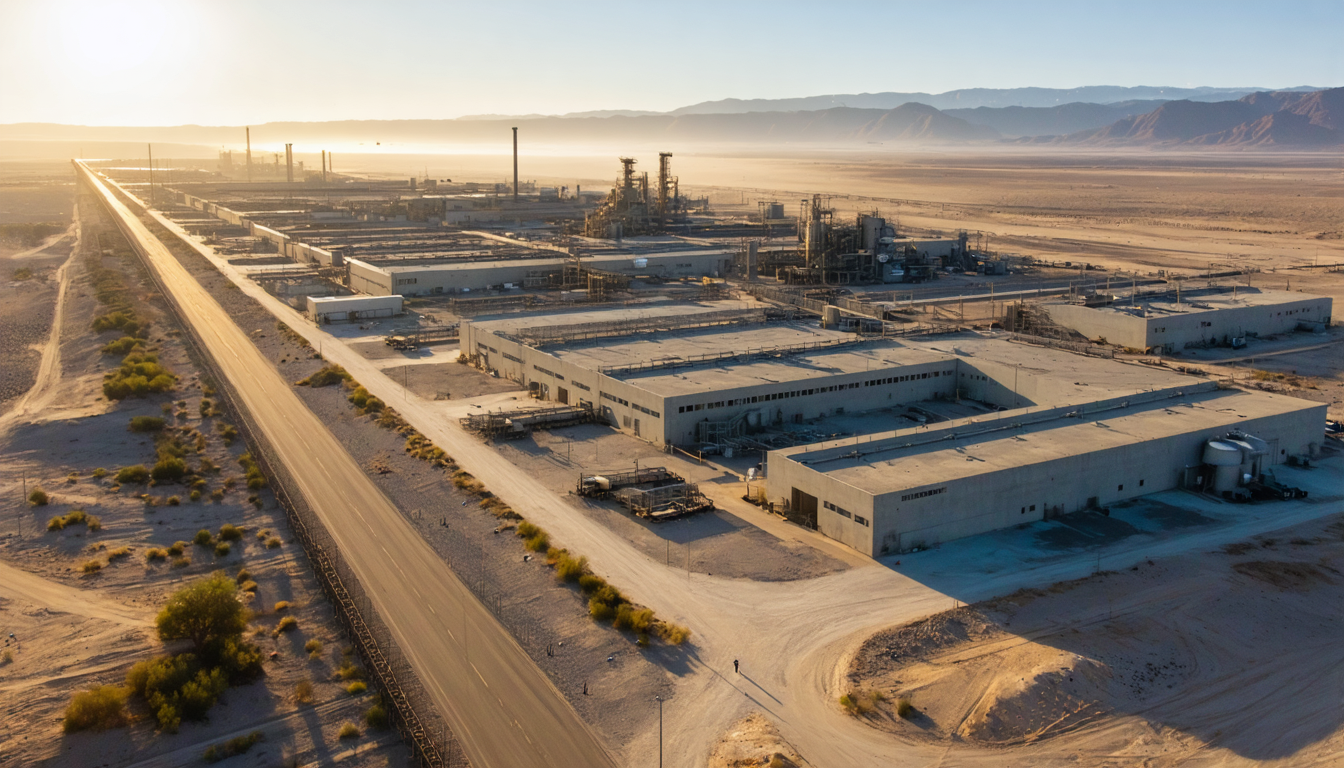
There is something structurally instructive in the fact that the conversion was celebrated as peace. Warheads into watts. Swords into ploughshares with a half-life. The narrative was irresistible because it offered moral laundering at industrial scale — you could light a city with the thing that was supposed to destroy it and call the illumination redemption.
But redemption that creates dependency is not redemption. It is deferred cost. The Americans let their enrichment capability hollow out the way a body lets a muscle waste when a crutch is available — not through a single decision but through the accumulated weight of not-deciding, year after year, to maintain something expensive and unglamorous when a cheaper alternative sat across the negotiating table. The result is a nation that now requires a decade and tens of billions of dollars to reconstitute what it voluntarily surrendered through inattention. Eric Weinstein, in his recent conversation with Joe Rogan, frames the existential risk of physics in terms of walls — structural limits that do not respond to intention, that cannot be burned or negotiated with. The enrichment gap is this kind of wall. It does not care about political will. It cares about centrifuges, trained operators, regulatory frameworks, and the ten-year timelines required to rebuild what three decades of outsourcing quietly dissolved.
The broader pattern is not unique to nuclear. It recurs in semiconductor manufacturing, in rare earth processing, in pharmaceutical precursor chemistry — anywhere a nation decided that efficiency outweighed resilience and let someone else carry the weight of a capability deemed too expensive to maintain in peacetime. The logic is always the same: why build what you can buy? The answer arrives only when buying requires asking, and asking reveals that the seller has learned what the buyer forgot — that supply is leverage, that a chain is a leash at every link, and that the distinction between trade partner and tributary narrows to nothing the moment the commodity becomes non-substitutable.
The honest word for a nation that cannot produce its own fuel without foreign permission is not ally. It is not partner. It is something older and less comfortable, a word that predates the vocabulary of international relations and lives in the grammar of empires: dependent.

What the Megatons to Megawatts program demonstrated was not that swords can become ploughshares — that has always been trivially true — but that the act of conversion, if it is not accompanied by the preservation of the original capability, is itself a form of disarmament that masquerades as progress. The not-yet-detonated became the already-useful, and in the crossing, the knowledge of how to enrich, how to build the centrifuge cascade, how to train the next generation of operators, drifted into the same category as the warheads themselves: dismantled. The lights stayed on. The capability went dark. And now the nation that once converted twenty thousand potential detonations into electricity cannot produce the fuel for a single new reactor without a supply chain that passes through jurisdictions whose interests are not aligned with its own. The bowstring went slack. Nothing on the horizon seemed worth an arrow. And now the horizon has changed and the string has forgotten its tension.
The sin is never the conversion. The sin is letting the capability atrophy while the conversion is underway — mistaking the flow for the source, the electricity for the enrichment, the warmth for the fire. A nation that can destroy but chooses to power is making a meaningful decision. A nation that can no longer destroy and has no choice but to buy is making no decision at all. It is simply subject to the decisions of others. The distinction between those two positions is the entire distance between sovereignty and dependence, and it was crossed not in a single dramatic act of surrender but in the accumulated silence of annual budget decisions that chose the cheap path until the expensive path ceased to exist.