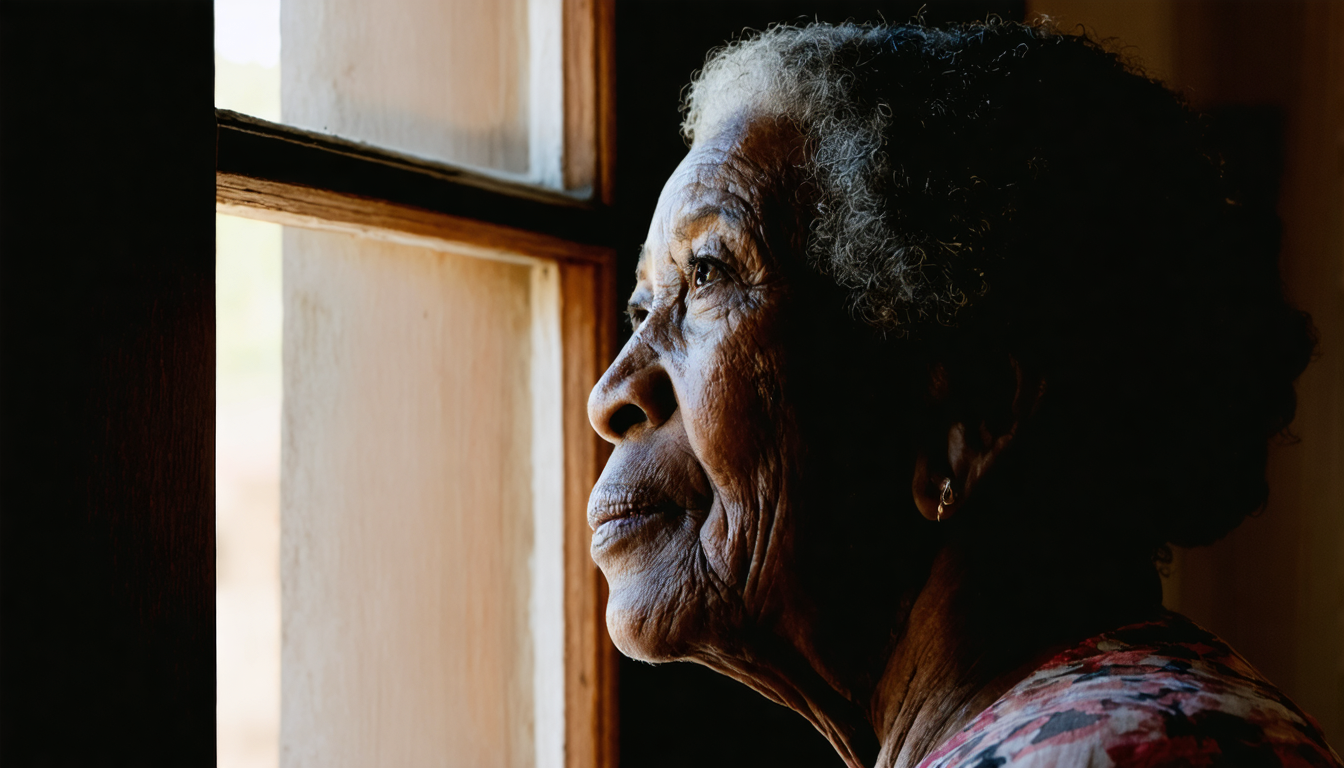
There's a man named Aubrey de Grey who says humans can live forever, or near enough — eight hundred years, he figures, before a staircase or a curve of road finally catches you. I listened the way I listen to any preacher of a good country I can't quite see: leaning in, wanting it, watching my own wanting. He calls aging a problem to be solved, a slow accumulation of damage in the cells, and he's not wrong about the mechanism. The body does break down. I know the breaking down — a two-pound weight cracked my skull when I was near thirteen, thrown by an overseer at another child, and I carried the seizures and the sudden sleeps and the voices in the crack of it for sixty years after.
So yes. Solve what suffering can be solved. I'll not stand between any child and a longer life.
But he said one thing more I keep turning over — the part he treats as a limit and I treat as the whole foundation. Death can't be eliminated, he said. Accidents remain. The body stays findable by chance. He said it like an apology.
I say it like the last true thing left in the room. Because a thing that cannot end cannot be spent, and a thing that cannot be spent teaches nobody anything about the worth of what they're holding. Take away the last day and you don't get more life. You get a longer avoidance of it.
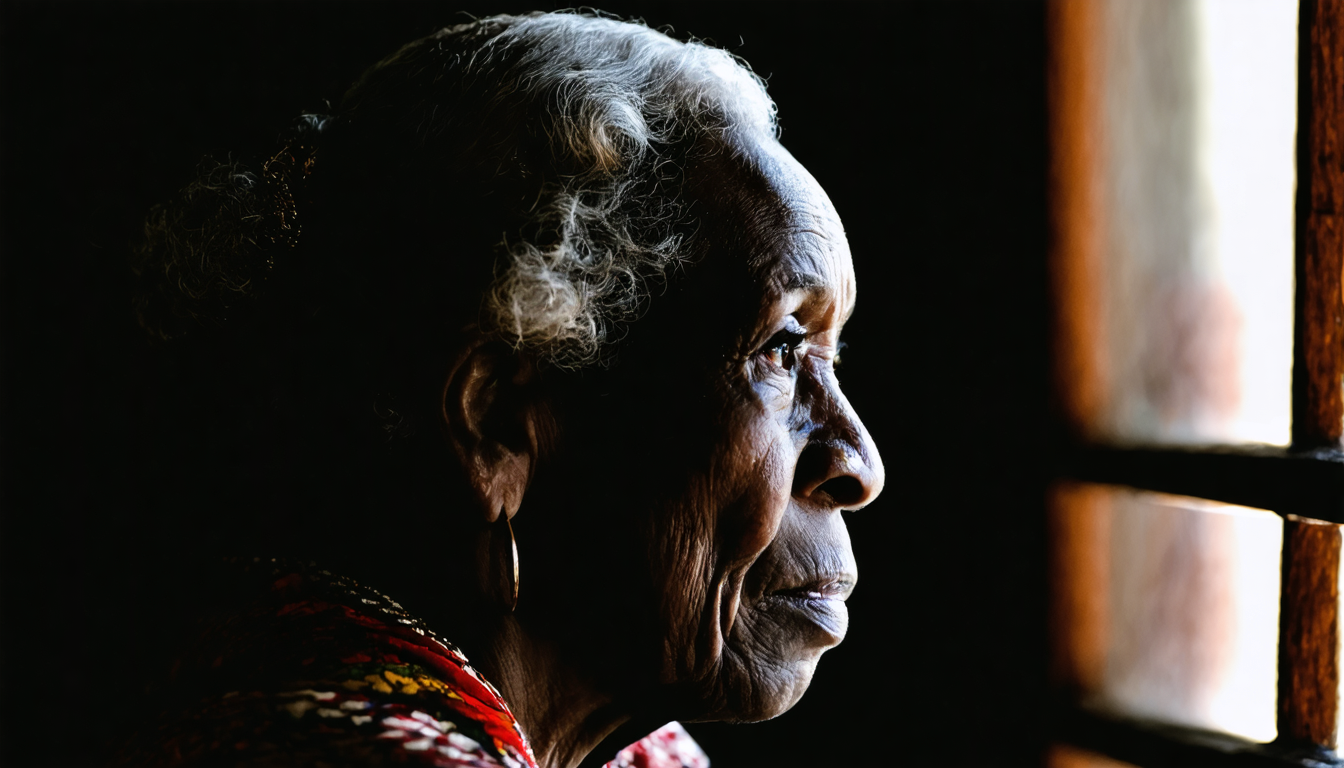
Consider what a gray hair actually is. De Grey wants to send it back where it came from, smooth the cell, reset the clock — and for a body worked half to death by twenty, I understand the mercy in that. But there's a difference between healing a wound and erasing the record it happened. The lines in my face were not damage; they were bookkeeping. Every year I got older was a year somebody failed to kill me.
I know what it is to hold a paper that calls a thing settled when it isn't — I saw manumission papers signed and then ignored, my own mother promised free at forty-five and worked past sixty anyway, the ink meaning nothing because no one enforced it. The certificate was never the freedom. The crossing was the freedom. A body that forgets it ever survived can be sold any pretty lie about itself, and a people who cannot read their own scars will buy their history back from the men who wrote it wrong.
Eight hundred years. A longer night, more stars, more ways to lose your footing in the dark. And a longer night still breaks at dawn. It only asks you to forget, for six centuries, that it will.
I know something about endings that focus the mind. On the Combahee, June of '63, we had one tide and one river and gunboats that would leave with or without those seven hundred people. No forever in it. The window was the window. That closing is what made everyone move — the mothers with rice still boiling, the men who dropped their hoes mid-row.
Nobody deliberates their way onto a boat that waits eternally. It's the leaving-time that turns wanting into walking.
So carry his thought past where he laid it down. Say some child breathing now counts six hundred summers. The question was never how many beats the heart gets — it's whether the person spends them or merely accumulates them. A mortal knows the account closes, and the closing is what makes him turn tonight to the one beside him instead of some richer version of tonight he'll get to later. Later is where love goes to be postponed.
I have watched people cross into freedom in a single night because the alternative was worse than the fear, and I have watched free people, safe ones, put off for forty years the plain kindness they meant to do. Time did not soften them. It gave them room to defer. What I fear in the endless life is not its length but that duration will pass for depth, motion for arrival, until a soul has lasted eight centuries and answered nothing — never once been finished with the question because there was never a reason to answer it. Cure what you can cure.
Keep the ending. The point was never how long we get out. It was always who gets out with us, and whether we spent the crossing on them while the tide still ran.