Colonel Hamish de Bretton-Gordon, OBE, wants you to imagine the airplane. Real-time air testing at the seatback, the exhaled breath sampled and read for the next thing coming, the border made molecular, made intimate — you will not even feel the checkpoint because the checkpoint will have become the air you are permitted to breathe. He says Britain isn't ready for a real war, and I believe him, but I keep snagging on a smaller phrase from that same grammar of preparedness: patient one. Not a person. Not a name and a mother and a reason for being on that plane.
A number that arrives already stripped, already converted, the body turned into a vector before it has finished being a body. And I have heard this sentence before. I have heard it in the mouth of the epidemiologist and the mouth of the warden, both of them reaching for the passive voice as if it were a law of physics — as if nobody decided, as if 400,000 people moving freely across a planet were not a fact of being alive but a problem some clean hand had been assigned to solve. The virus doesn't know what a border is. The virus is honest in a way the nation refuses to be.
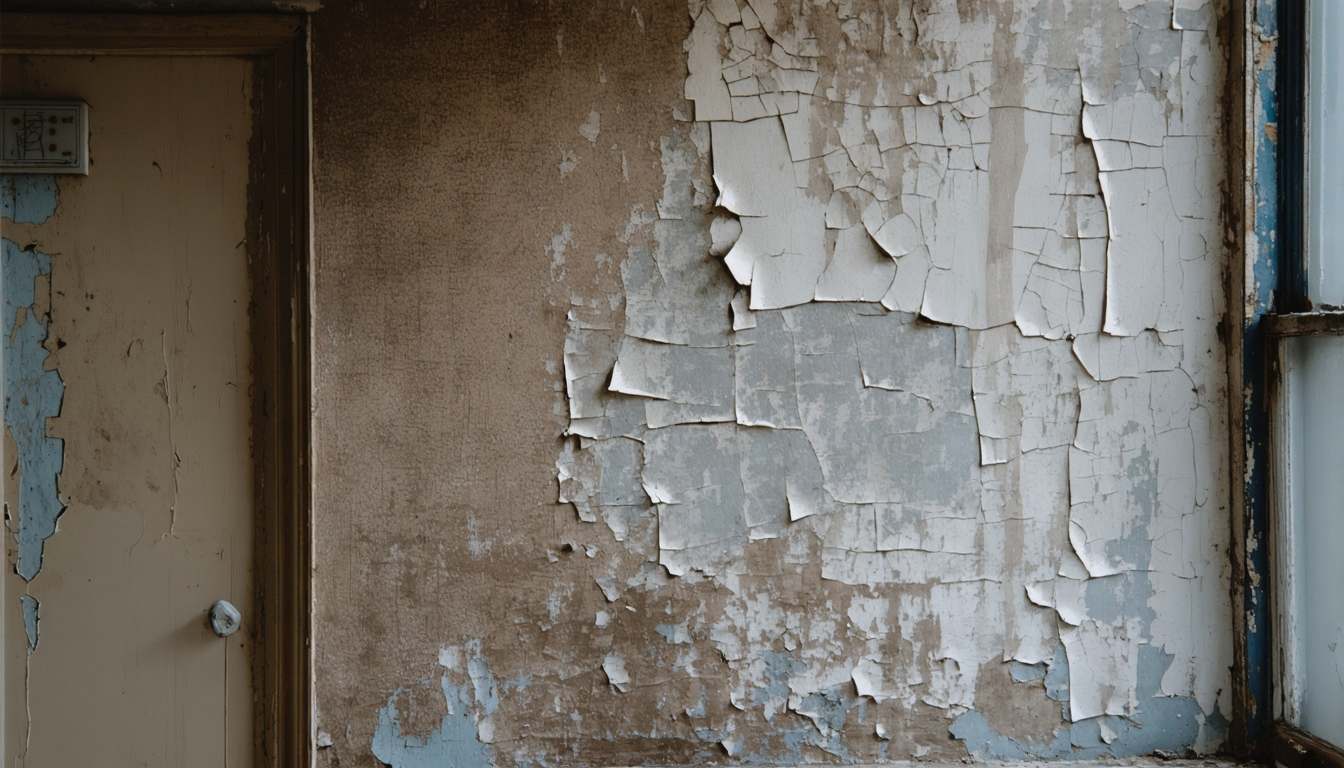
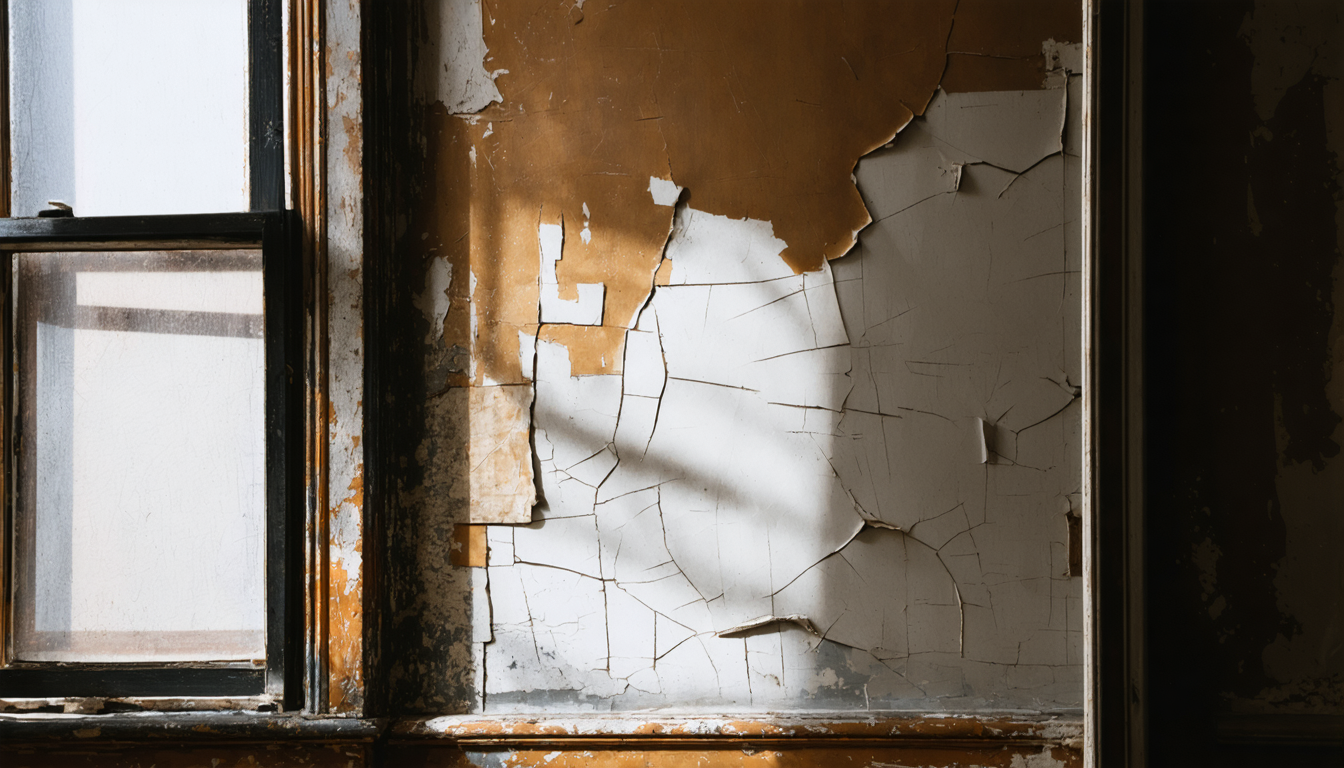
And here is the second sentence, the one that has been circling my kitchen for a week. The DOH certifies an apartment lead-free while the lead stays in the walls. Same grammar. Different room.
What both sentences do — the seatback sensor, the lead-free stamp — is move the verb away from the hand. Somebody built the plane. Somebody decided the paint could stay if the paperwork moved. But the sentence is engineered so the deciding disappears, and what's left is a threshold that reads you and a dwelling that certifies itself. Call that safety.
Safety is the word power reaches for when it wants the surveillance without the confession — when it needs the child's blood off the budget line and the noun scrubbed clean of whoever swung the pen.
I want to be careful here, because it would be easy to turn my grandmother into a moral — the folk knower against the cold machine — and that is its own kind of theft, converting her boiled water into my paragraph. She knew which room turned a child feverish because a child had been feverish. The knowledge cost a body, and it was hers, not mine, and not a symbol. What I distrust in the Colonel is subtler than his instrument. It is his confidence that the reading goes one way.
The sensor reads the passenger; the passenger reads nothing. The stamp reads the wall; the tenant is read like weather. The child in the certified room breathes the air he now proposes to sample at the border — audible, visible, and never once handed the pen.