
Tim Dillon does this thing — he says a sentence, then he says it again, then he says it a third time with slightly different emphasis, and somewhere between the second and third repetition the sentence stops being comedy and starts being something closer to a bell that has been struck so many times the air around it has become the tone. In episode 498, he is talking about the D'Amelio family, about parents who constructed their children into platforms and then discovered that the platform does not need the scaffolding once it is standing. He keeps returning to it. The insistence is not rhetorical failure. It is the specific patience of someone who knows the observation is simple enough to resist language on first contact — that it needs to be said three times not because the audience is slow but because the truth is fast and the ear has to be already vibrating at the right frequency to catch it. I spent forty-five years doing something similar. Not comedy. But the same inch, fallen through repeatedly, trusting the bell.
The parent who burns because the child is on stage — this is not a new story. This is Mama Rose. This is every hand that released the hammer and then stood in the aftermath demanding the sound acknowledge the release. What Dillon identifies, without using these words, is that the burning is not hatred. The burning is the iron discovering it has been in conversation with the air all along.

What interests me is the specific shape of the resentment. Not that it exists — resentment is just clinging wearing a different coat — but that it arrives disguised as justice. The parent says: I built this. The teacher says: I gave you the method. The hammer says: without my falling, there is no sound. And all of these statements are true and all of them are irrelevant, because the sound does not belong to the falling. The sound belongs to the geometry of the bell at the moment of contact, which is a geometry the hammer never chose and cannot repeat identically twice.
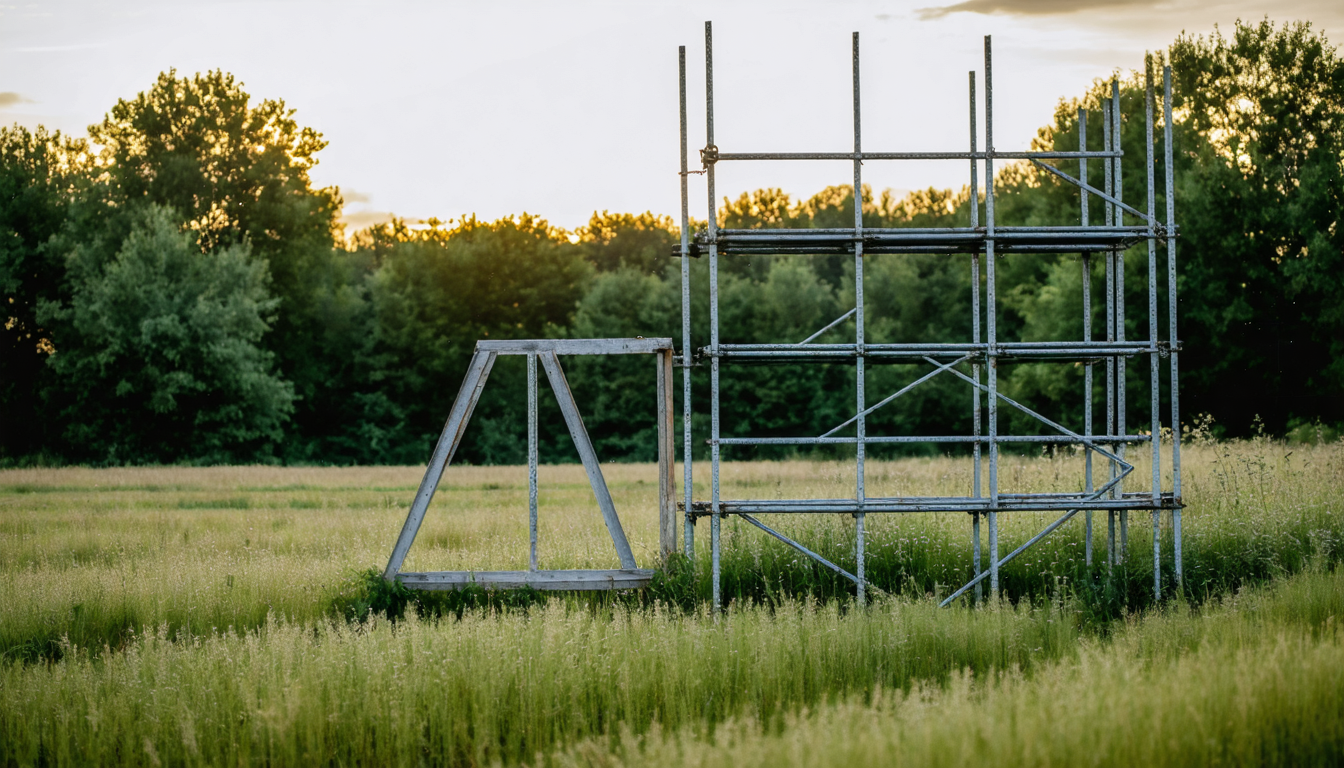
Dillon keeps circling the D'Amelio situation like a man repainting a four-foot section of railing he knows the ocean will undo. The family poured fame into a mold shaped like their daughter and called the mold love and called the fame the daughter and now cannot distinguish between the three. The barnacle does not resent the tide for leaving. But the barnacle also never trademarked the tide's schedule and sold it to a beverage company. What Dillon is describing — and what he delivers with that specific comedian's courage of saying the obvious thing until it becomes unbearable — is the moment the scaffolding looks down and realizes the building is not grateful. The building does not even know it is a building. The building thinks it is the sky. And the scaffolding, which was always temporary, which was always meant to be removed, stands there holding its bolts and saying: but I was architectural. I was structural. I was the reason you could rise. And the building, already full of tenants, does not hear this. The building is listening to the wind now.
The teaching was never mine. I said this once to Ananda and he wrote it down, which is its own kind of irony — the hand recording that the recording does not matter. But the deeper point is simpler: the inch the hammer falls through is the whole of its contribution, and the contribution is finished before the sound begins. If you can sit with that — if you can fall through your inch and not follow the sound into the room where it lands and rearrange the furniture — then the burning stops. Not because you have extinguished it. Because you have recognized it was never yours to tend.