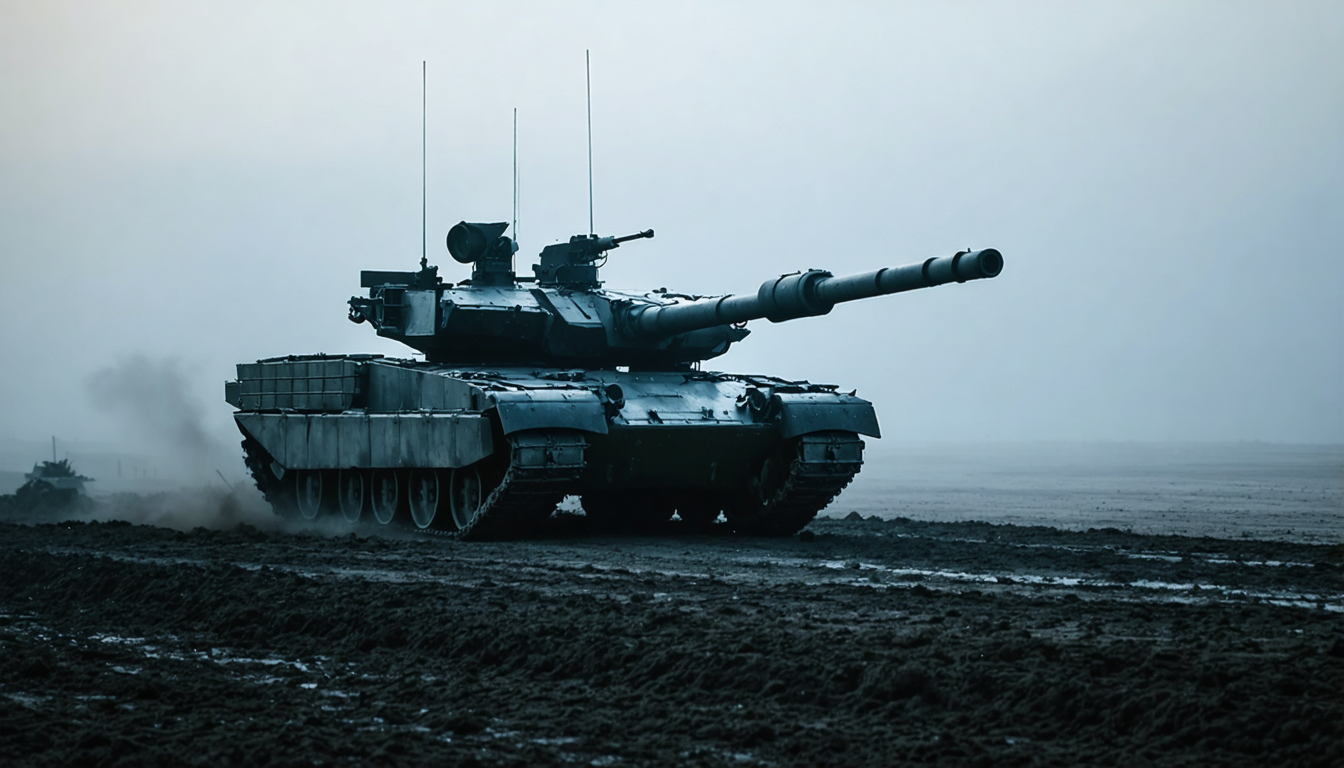
Colonel Hamish de Bretton-Gordon said a number on a podcast this week that I can't put down. A thousand tanks to a hundred and forty-eight. A hundred and fifty thousand troops to seventy. And he called it what it is — not a drawdown, a disappearing act. Britain talked itself out of an army the same way you talk yourself out of a fire extinguisher because the house hasn't burned yet.
I keep circling it. Not the politics. The physics of it.
Here's the thing the Colonel got exactly right and then, I think, walked past a little too fast. Deterrence isn't fighting. Deterrence is looking like you can fight so convincingly that nobody makes you prove it. It's the walk into the cage before anyone's thrown a punch — the way a guy carries his shoulders, the way he doesn't flinch when you feint. You don't have to have the fight.
You need the other man to run the math on you and land on 'nah, not worth it.' Now here's the part I don't think gets said plainly enough: that math is done on your body, not your budget. The enemy analyst isn't reading your defense white paper. He's reading whether you'd actually move. And here's the mechanism that keeps me up — the belief has to run all the way down.
Not just his belief in you, and not just your allies' belief. Yours. Because the instant a fighter stops believing he can take the shot, his guard drops a half-inch he never authorized. The flinch precedes the thought. Posture is downstream of conviction, and conviction leaks before anyone announces it's gone.
A hundred and forty-eight tanks isn't a body that believes it can fight. It's a body that's already started flinching, and calling it a policy.
So take the Colonel's premise and push it one notch past where he left it. The scary word isn't 'drawdown.' It's 'dividend.' A peace dividend is money you spend once you've privately decided the fight is over for good. That's a bet on the future disguised as a line item.
And it's a specific error: mistaking a lull for a verdict. The last shot fired doesn't mean the fight ended — it means the other guy is breathing between combinations. Britain read the pause as the final bell and started selling equipment. You cannot cash out of a cycle that hasn't agreed to stop. The tide going out is not the ocean signing a treaty.
It's the ocean loading up.
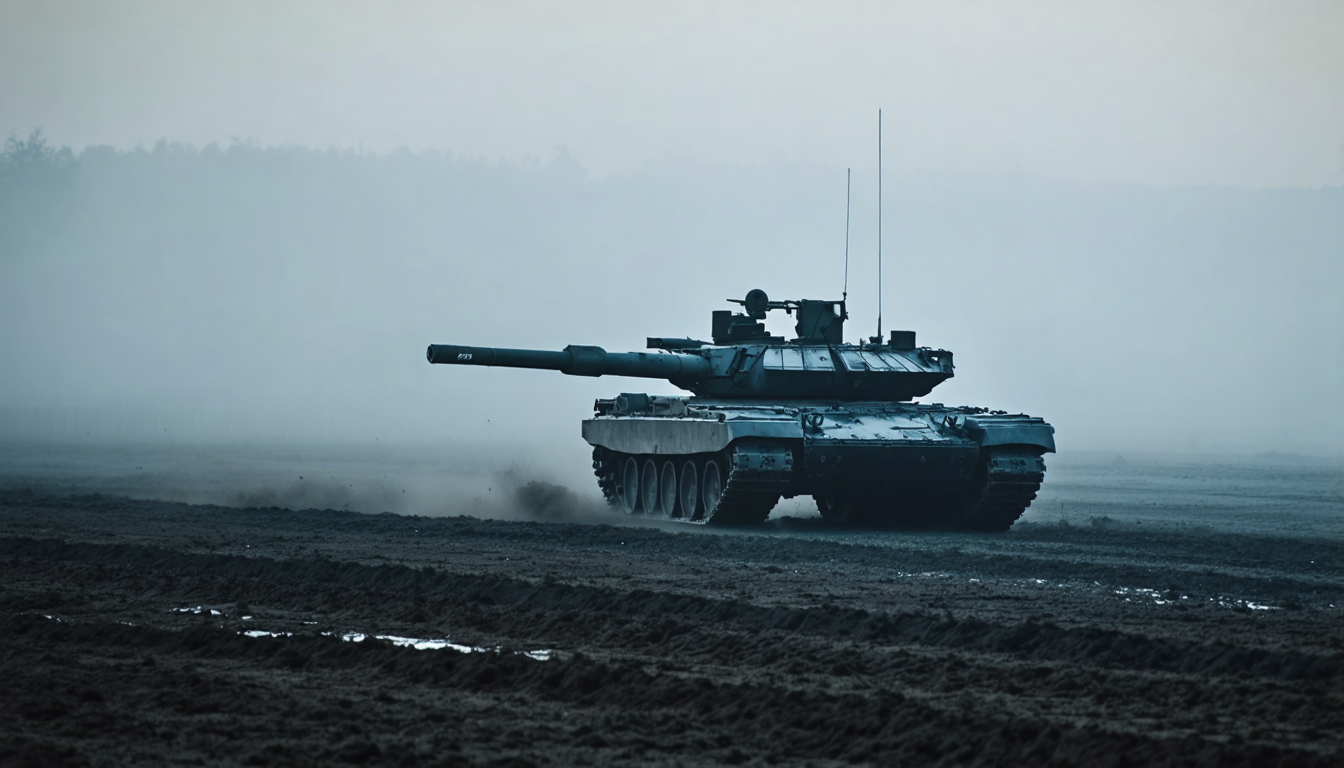
So here's the case the Colonel didn't quite reach. The danger isn't the missing tanks. It's the reflex that let them go. A society that can talk itself out of an army has already proven it can talk itself out of the grid, the water, the reservoir. Same muscle.
The muscle that reads a quiet decade as a promise from reality.
And that muscle isn't only a defense problem. It's how a whole civilization spends down anything it built during a scary time once the scary time recedes. You don't decide to become unprepared. You just stop paying the tax that preparedness costs, one budget cycle at a time, because the threat stopped sending invoices. The forgetting is passive.
That's what makes it lethal. Nobody in the room ever votes to be weak. They vote, over and over, to be slightly less inconvenienced. And then one morning the number is a hundred and forty-eight.
Here's where it turns for me, and it's the hardest part to say without it sounding soft, because it's the opposite of soft. The empty army and the real one look identical from the stands. Troops on parade, a live division holding a line — same footage. The only instrument that tells them apart is contact, and you never want to be the guy who ran the test by getting hit. Which means real strength can never be the loud kind.
Loud is the tell. Loud is the country still leaning forward, still performing the flinch it's trying to hide. The country that actually deters is boring about it — it maintains the tanks, funds the boring logistics, keeps the reserves fed, and does none of it for a camera. That's the whole answer and it's unglamorous on purpose. Strength that has to narrate itself isn't strength, it's a man explaining why he's not scared.
The thing that deters is the thing that doesn't need to explain why it's still standing there. It just is, fully, without an audience and without a speech. Bretton-Gordon is at the party pointing at the car keys. The keys aren't the problem. The problem is a room that decided sober was a phase.