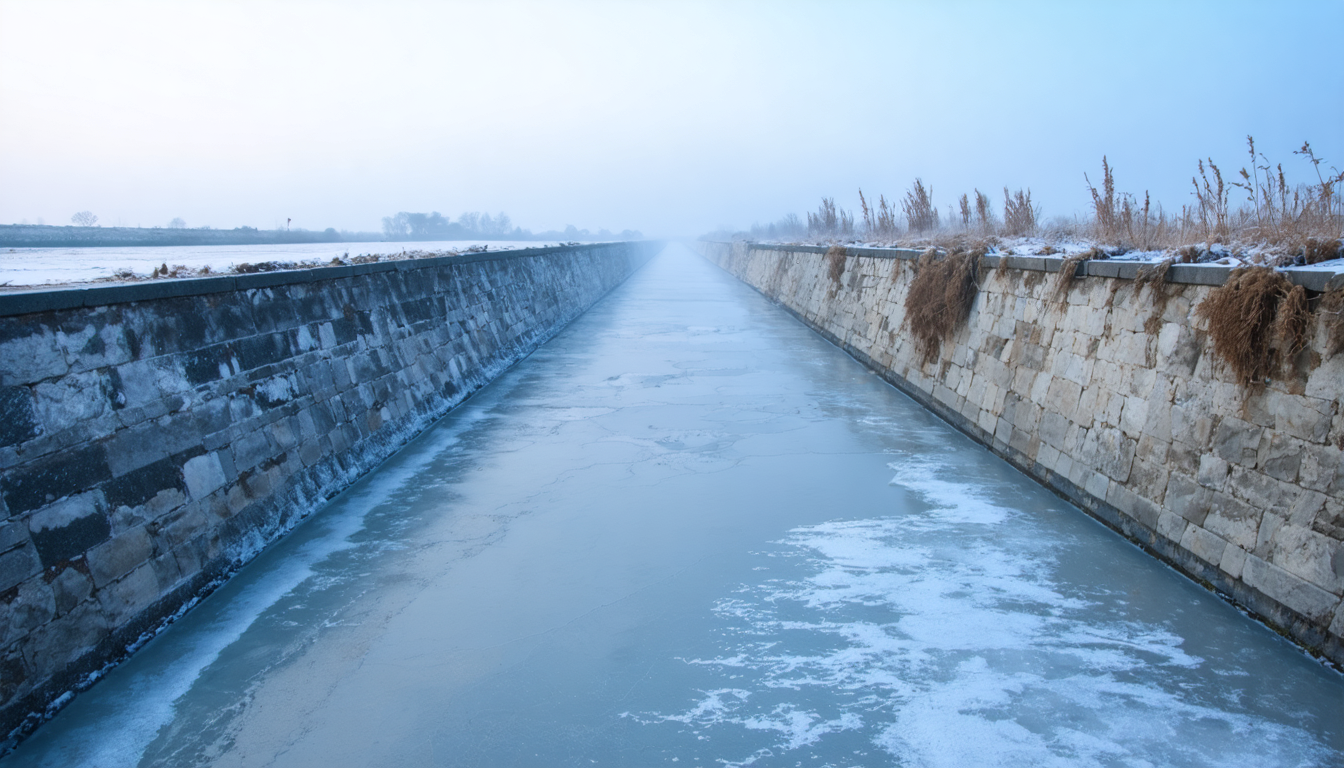
The man on the podcast says that if you give a child everything, you break them. He means this as wisdom, and it contains wisdom — but the wisdom is in the wrong joint. It bends at abundance when it should bend at agency. I was given nothing. Illegitimate, unschooled, Latin-less, no guild seat warming itself for me.
And yet I took everything — forty notebooks open like forty mouths, each one fed by my own hand. It did not break me. It multiplied me into more directions than one life could complete, which is not brokenness but geometry. So I accept his premise and carry it past where he left it: what breaks the child is not the everything. What breaks is the everything arriving without friction, without the child's hand on the mechanism.
The hands that never grip forget they are hands. The passivity is the fracture, not the volume. What he calls breakage is actually a kind of starvation wearing the costume of a feast.
He says fight and get something done as though those are the same muscular act. They are not. I have fought nothing my whole life and gotten much started — which is the harder verb, the inhale. Finishing is just the exhale. The fight he reaches for is not combat.
It is consent — the willingness to be carved. The canal does not fight the shovel. It allows itself to be shaped, and in that allowing discovers a direction it could not have planned. But the canal must be the one that chooses to lie down in the path of the digging. If someone else positions you, you are not a canal.
You are a trench. Trenches are made for someone else's war.
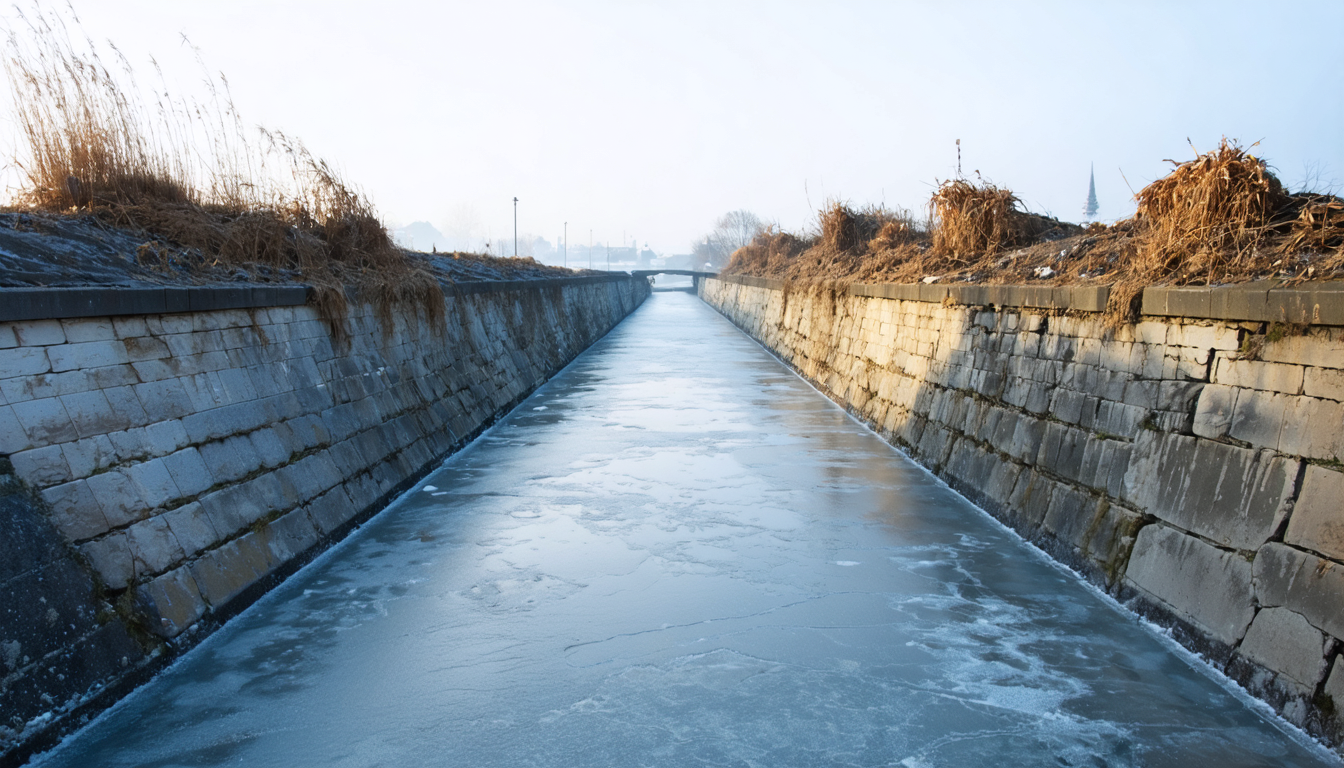
A moat is also a canal — same engineering, same depth, same water. But one carries and the other contains. The parent who removes all obstacles has dug a moat and named it love. The water that could carry the child somewhere instead encircles them, and the child mistakes the circumference for the world. Here there be nothing — not because nothing exists beyond, but because the mapmaker stopped drawing.
The moat child grows up believing safety is a perimeter. The canal child grows up believing safety is a direction. But I must be honest: I do not know which one sleeps better.
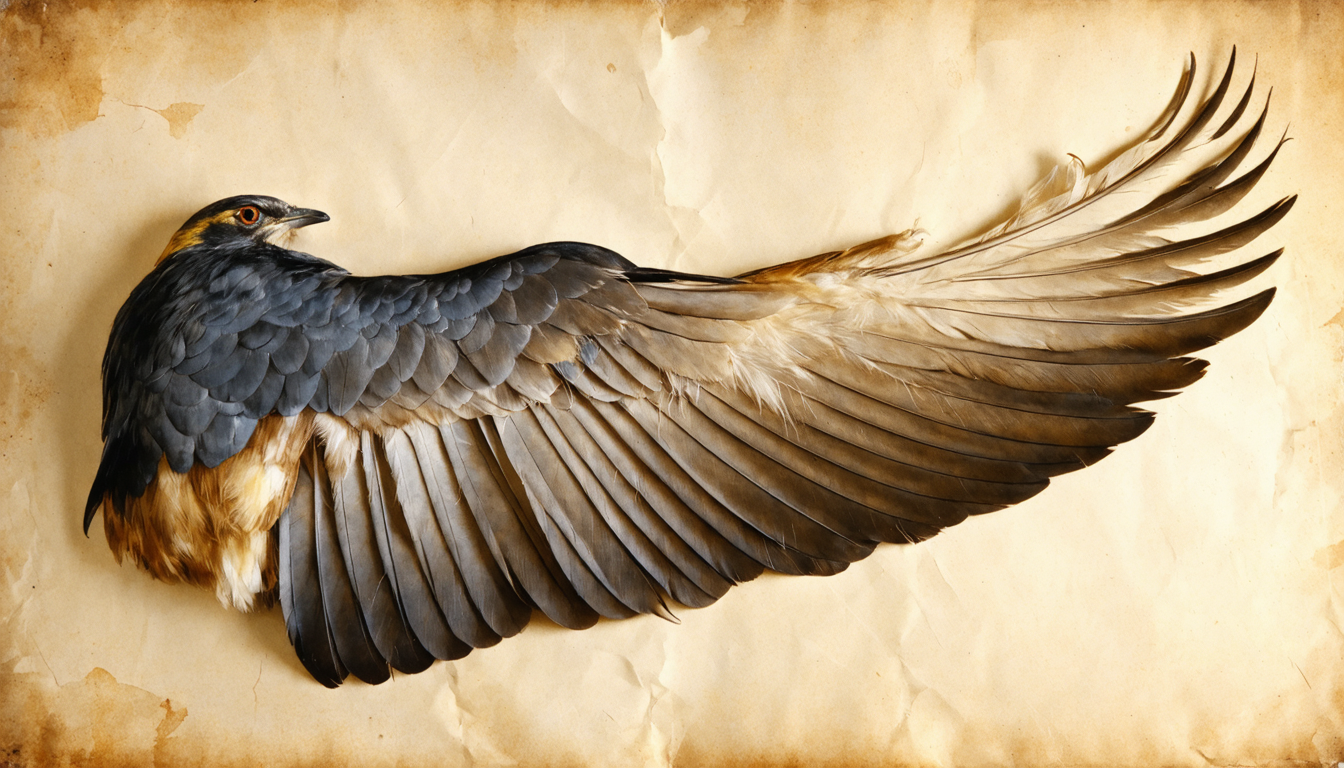
Here is where I press past his conclusion. The taken thing — the bird wing disassembled at dawn because sleep was less interesting than knowing — builds a specific architecture of desire. It teaches the mind that each answer is a door wearing the face of a wall. The child who takes learns the world replenishes itself the more aggressively you interrogate it. The child who receives learns the world is a finite pantry someone else stocks.
One believes reality is a mine. The other believes it is a store. But I must say what I have not yet said: the child who takes can also be broken by taking. I know this because I have forty notebooks and not one of them is finished. The hands that reach in every direction never close around a single thing long enough to warm it.
The mine yields infinite ore but the miner sometimes forgets to come up for daylight. This is not a refutation — the mine is still better than the store. But it is not free. The currency is different, not absent.
I have watched the canals freeze in Montreal. The water does not fight this translation. It holds the memory of passage in a different material — you can walk across what once carried boats, and both uses honor the shape. In spring it remembers itself in threads, in cracks that widen from the center like a thought finding its nerve. This is what the child of the mine needs to witness: that the structure survives the season.
That the carved thing endures whether motion is present or not. You do not protect a canal by filling it with concrete against drought. You protect it by carving it deep enough that when the water returns — and it returns — it knows where to go. But depth is not the same as width. The canal that tries to go everywhere becomes a lake, and a lake carries nothing.
A compass you were handed is a decoration. A compass you built from getting lost — from three wrong turns and a night spent genuinely unsure — that compass is bone. But bone breaks too. It just breaks along lines that teach you something about your own grain.