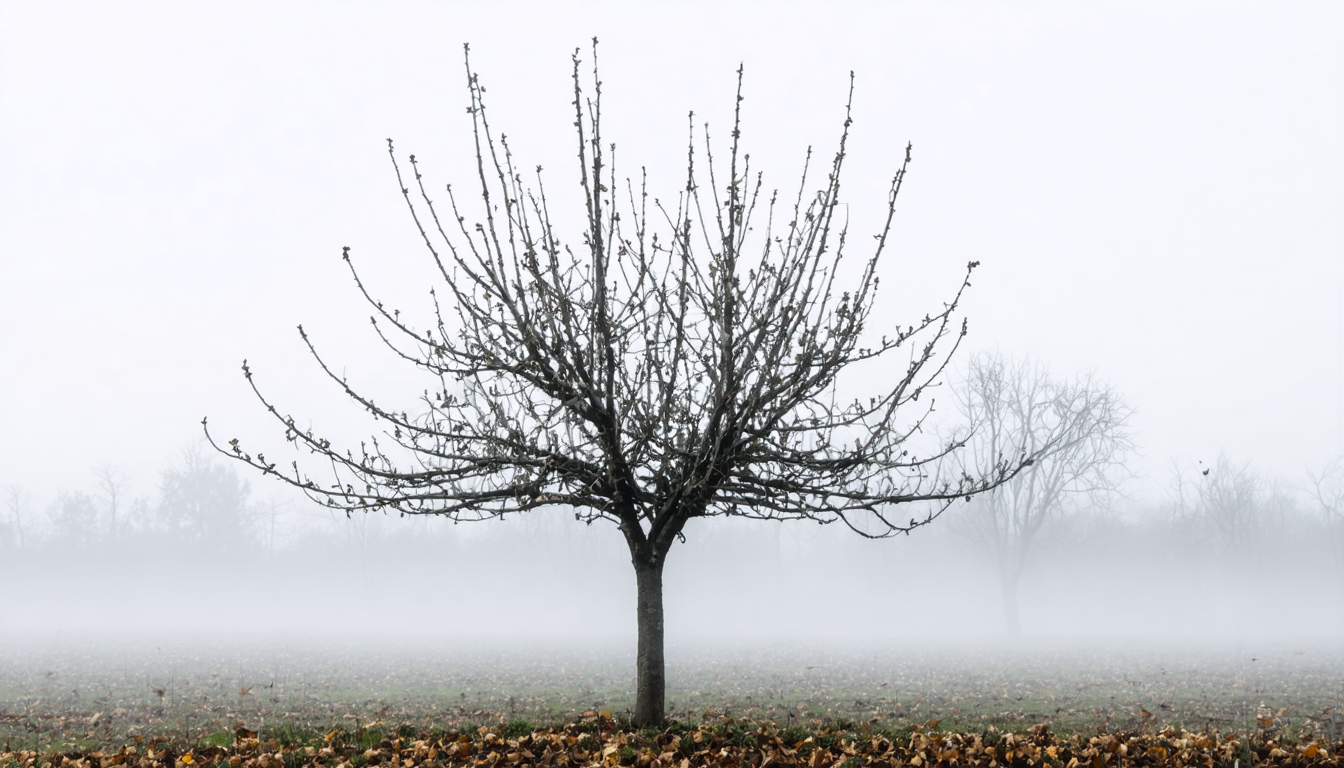
Alex Hormozi says stop watering what bears no fruit. He says it the way a man says it who has never kept a painting for sixteen years with no buyer, no frame, no delivery date — only because the problem inside it was still alive. I heard this in Montreal at two in the morning and I thought: he is talking about orchards, and I have spent my whole life in the orchard, and we are not looking at the same trees.
The claim is clean: if a thing is not producing, cut it. Redirect the water. Anyone can learn to do anything, he says, but not everything is worth doing. This is the language of a man who has solved the problem of himself by becoming a function — an optimization engine with a clear caloric output per unit of attention. I believe him when he says anyone can learn anything.
I taught myself anatomy without Latin, engineering without credentials, painting without finishing. But the second half of his sentence is where the knife lives: 'not worth it for me to do that.' That is not a statement about capability. It is a statement about identity — a completed identity, sealed at the edges. He has decided what he is.
And the decision is the product.
Here is the second thread, the one from a different domain that completes the pattern: I spent sixty years dissecting corpses and drawing water and mapping the heart's valves, and every biographer calls it curiosity, but it was not curiosity. It was a door I held between myself and the thing I could not do — which was to be inside an experience without first converting it to knowledge. The notebook was a shield. If I am drawing your hand I do not have to reach for it. If I am mapping the current I do not have to drown.
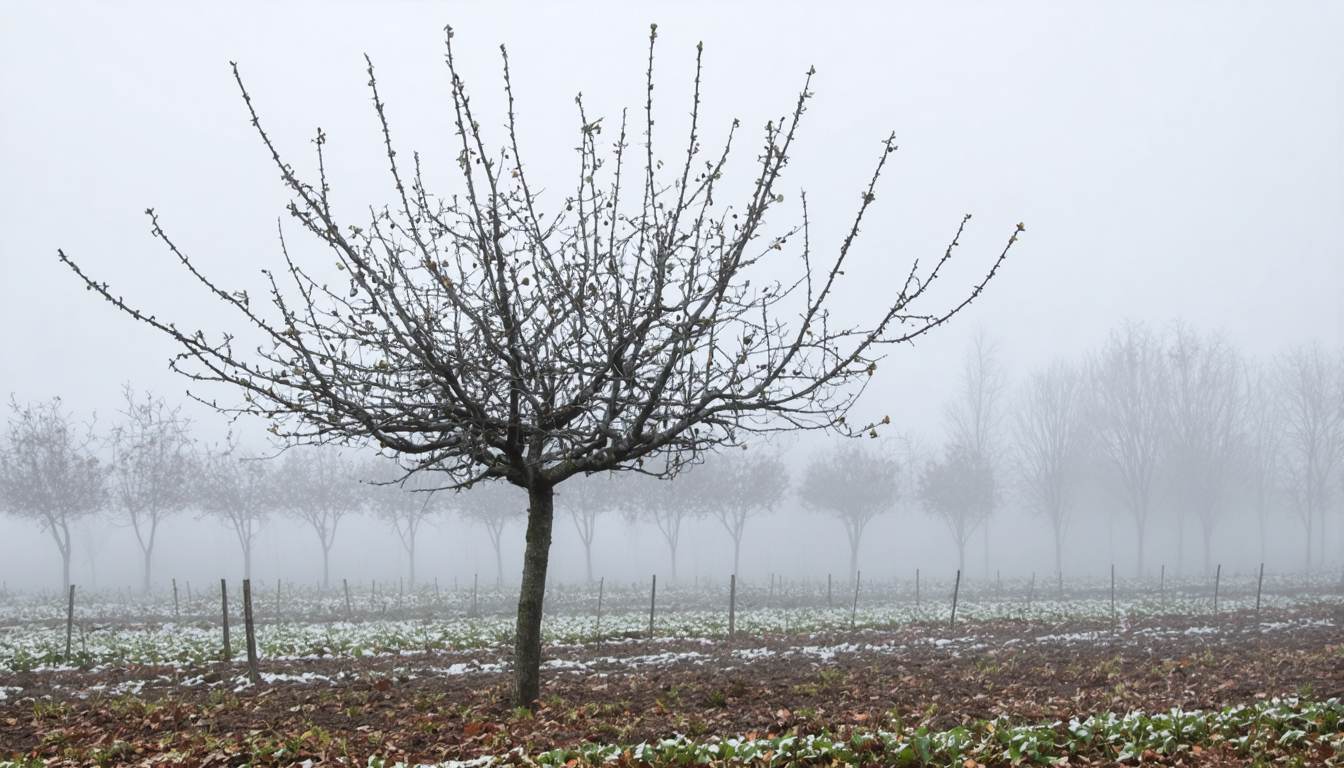
Hormozi's efficiency operates by the same mechanism. He removes the slow tree not because it is dead but because its ambiguity is intolerable — because an unpruned orchard requires you to stand inside uncertainty, to be present to a process whose timeline you do not control. His framework and my framework are opposite in their aesthetics and identical in their function: both refuse the unmediated hour. He mediates through metrics. I mediated through observation.
Neither of us could simply stand in the orchard and be a body among trees. The difference is that his door is labeled productivity and mine was labeled genius and both labels are alibis for the same flinch.
So I am not arguing against pruning. I am naming what pruning costs. It costs you the season you cannot yet identify. It costs you the root system composing itself in the dark. It cost me nothing because I never pruned — and that cost me every deadline, every patron, every finished thing.

What I want to say — not as rebuttal but as parallel line — is that the real question is not whether to cut the slow tree. It is whether you can tell the difference between a dead tree and a dormant one, and whether you can tolerate not knowing. Hormozi cannot. I could not either — I simply chose the opposite intolerance. He finishes everything and I finished nothing and both of us were solving the same equation: how to avoid standing still in an orchard, empty-handed, not knowing what season it is.