Paul Stamets cured his stutter with a heroic dose of psilocybin in a thunderstorm. I believe him. I also believe the woman at Lourdes whose tumor shrank. Belief is not the issue. The issue is what you do with a single data point once it has moved you to tears.
On Rogan's show — episode 2512, Joey Diaz holding court — the psychedelic testimony unfolds with the structural inevitability of a tent revival. The anecdote arrives first, specific and devastating: young Stamets, the rain, the tree he climbed, the words suddenly unstuck. Then the generalization: psilocybin as skeleton key to the locked wards of the self. Then the prophylactic aggression toward anyone who might ask for a control group. Diaz contributes the theological garnish — you 'need to see the devil every once in a while' — which is precisely the sort of utterance that sounds like wisdom only if you never ask it to do any load-bearing work. The devil, if he exists, does not schedule appointments. He doesn't need to. The structure of testimony is designed to make the question of mechanism feel rude, which is how you know you're in church and not a laboratory.
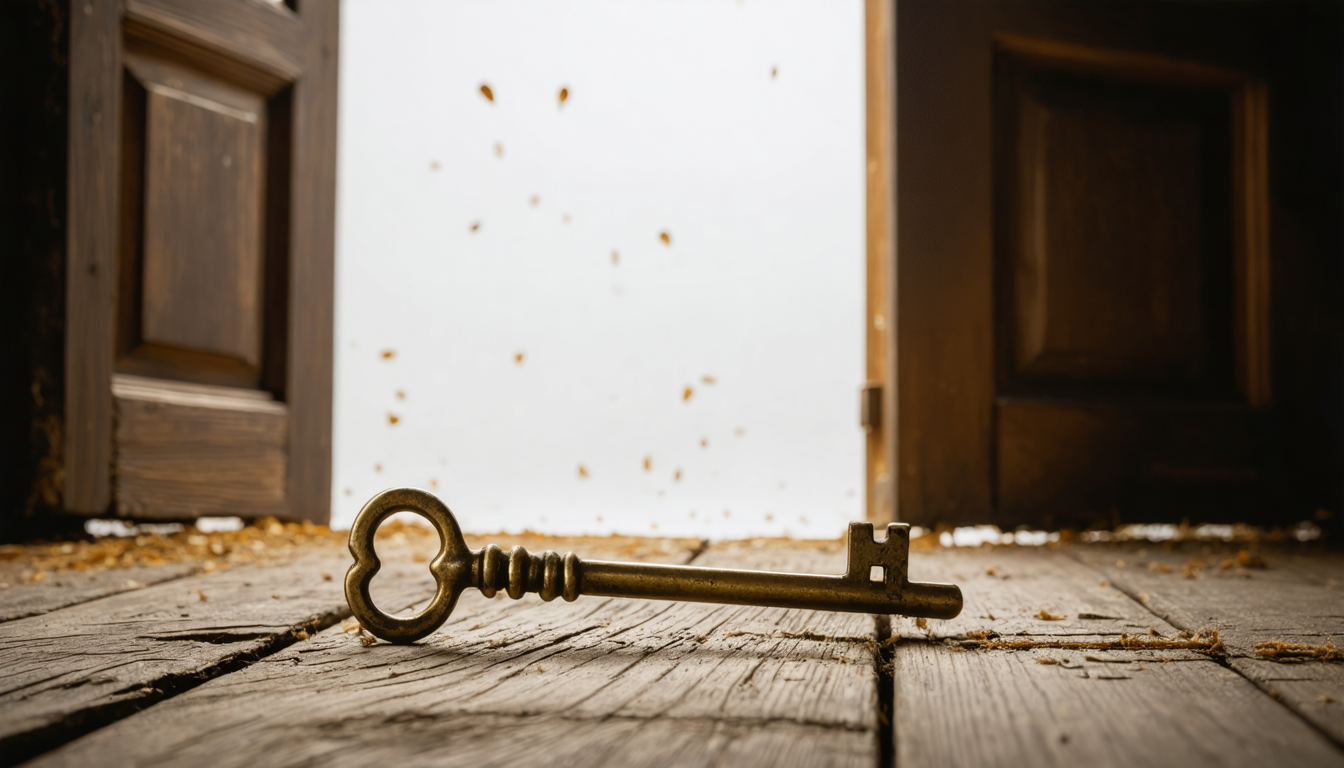
What interests me is the buried premise: that the door of the self requires a chemical key. That mere persistence, suffering, books, argument, the slow accretion of mornings after — these are insufficient. It's a very American idea, the shortcut as sacrament, and it flatters the culture's deepest reflex: impatience dressed as courage.

I looked at myself plenty without mushrooms. The nightstand, the ring on the wood, the empty glass — these were psychedelics enough if you were paying the right kind of attention. They dilated time the same way.
I spent decades poisoning myself with Johnnie Walker and nicotine in full public view and would never have claimed the occasional clarity those substances afforded me constituted a research program. The difference between my position and Stamets's is not that I deny the experience — I was intimate with chemical revelation, the 3 AM sentence that seemed to glow with its own authority — but that I decline to confuse the revelation with the proof. Stamets is a serious mycologist; the discourse that orbits him is not serious, and the reason it is not serious is that it has adopted the epistemology of witness rather than the epistemology of inquiry. One miracle is a story. Two miracles is a coincidence. A thousand miracles is a clinical trial waiting to happen, but only if you let someone fail to replicate them. The psychedelic renaissance will live or die on whether its evangelists can tolerate the possibility that the sacred door sometimes opens onto nothing — that the key turns and the room is empty, and the emptiness is also data.