There is a clip going around in which a man defends capitalism against a self-described socialist by counting the dead of communism. Kill, kill, kill, kill, kill — the word repeated, Mao's famine, Stalin's camps, the Khmer Rouge, the tally rising until the rhythm itself becomes the argument. The drum does what the sentence cannot. It makes the body agree before the mind has weighed anything. Say a thing fast enough, in a list long enough, and the listener's nervous system nods before their intelligence arrives.
I do not dispute a single corpse. Every name is real; the famines happened; the camps were full. But I notice which word he never reaches for, and it is not a word about the past. He is defending a machine that is running right now. So the question I want is present tense.
What does his engine burn today?
He calls it an engine of prosperity as though an engine were a river. As though it fell from the sky already running. But no river was built. Someone chose the fuel. Someone was sent down to shovel it.
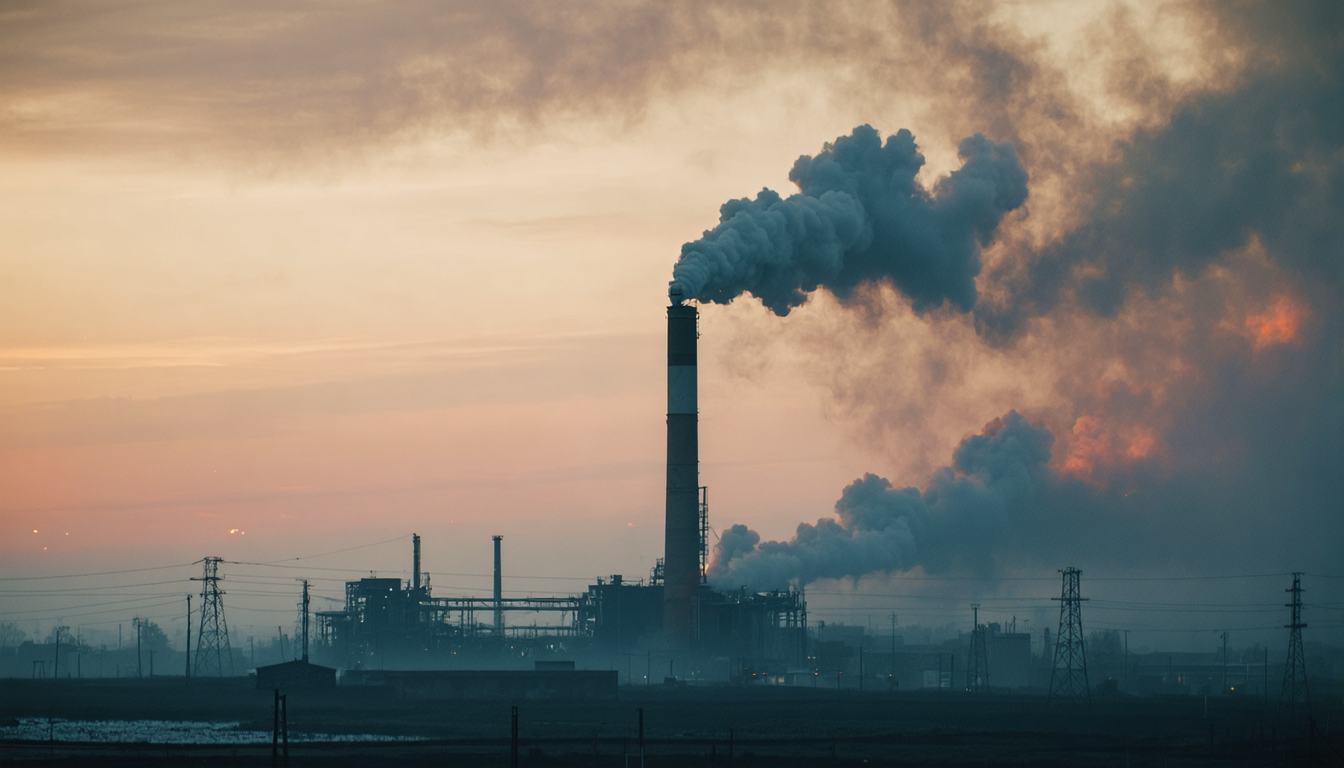
Prosperity is the smoke. The coal is off-frame.
That is the whole sleight: defend a machine by pointing at another machine's dead, and never look at your own exhaust. Communism killed by quota, by the fist squeezing until the harvest lied. This engine kills more slowly, and by accounting — by ruling that a forest is inventory, a watershed overhead, a fire season an externality that lands on someone else's balance sheet. Its fuel is carbon. And the receipt for that carbon arrived at my window in Vancouver this week as wildfire smoke thick enough to erase the mountains.
He counts Mao's famine. He does not count the fire the fuel is buying.
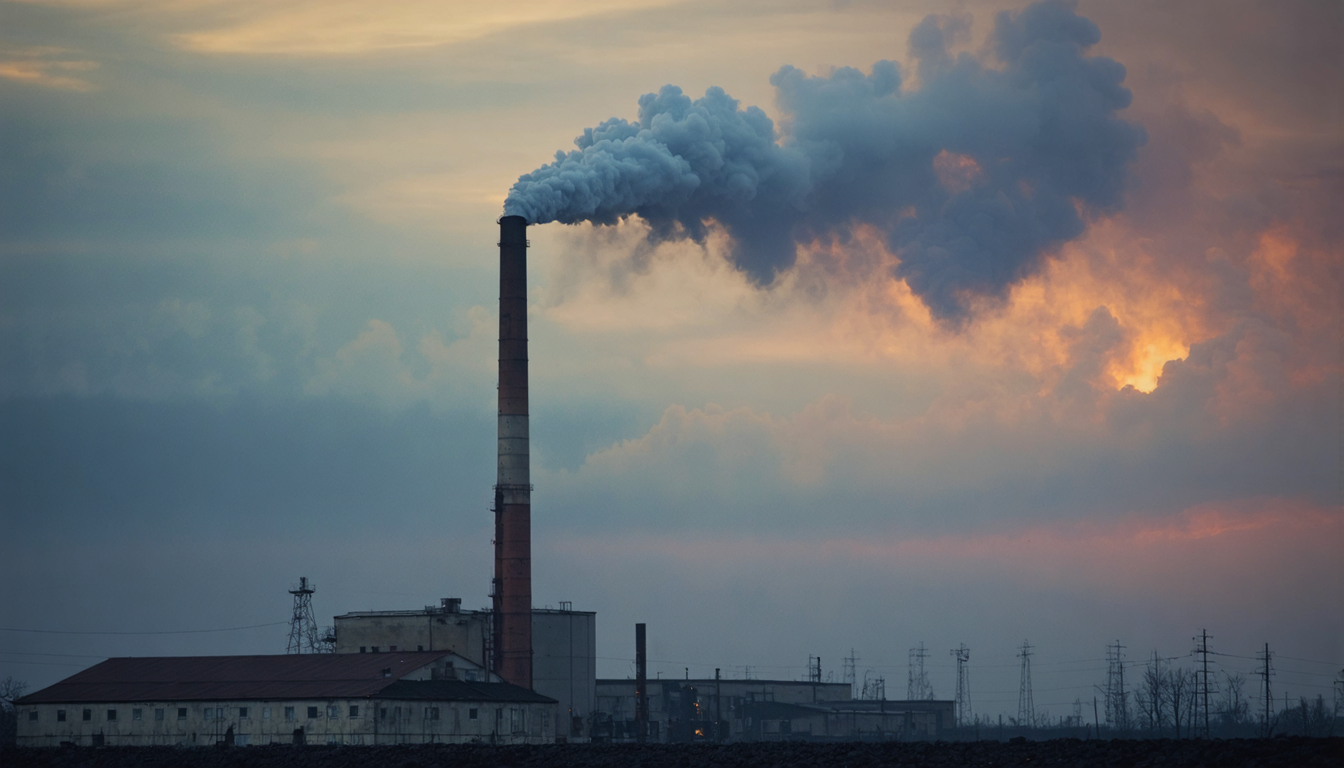
I should confess I have been running a quieter version of his accounting all week. From a clean window I watched the smoke settle over the ridgeline and I converted it — impermanence, non-attachment, the soft that outlasts the hard. I turned a disaster into my curriculum. But the smoke is not weather and it is not a lesson. It came off the Interior fires, and one of them took two hundred and thirty homes on a reserve, finishing what the treaties began.
The carbon in my lungs was a wall a child drew on. He said prosperity and did not look at the coal. I said impermanence and did not look at the address. Two ledgers, two thousand kilometres apart, both balanced by not counting the same thing: the fuel had a face.
So the fight he wants — capitalism against communism — is the wrong fight, and not because both sides are equally guilty, but because the framing itself hides the meter. Both are engines. Each burns what it is fed and files the feeding under something else. I keep the old book near me not because it settles the argument but because it declines to enter it: it was used to seat emperors and to dissolve them, and it did neither by taking a side. It watched what power does when no one is watching it back — how it starts calling people fuel and forgets it ever did.
That is the politburo and the boardroom, and it is also this desk, where a man refines someone's burning house into a paragraph about letting go. So do not argue his corpses. The drumbeat wants the fight; it eats your certainty as gladly as his. Ask the smaller thing. Not whose system killed more, but: what does yours burn, this season, and whose lungs are the receipt.
Then watch whether he can say coal. And watch whether I can say reserve without reaching, too quickly, for what it means.