
Jensen Huang says if you can improve it you understand it. I improved my marriage for forty years and never understood it. The crane operator on Mission Street improves his lift every morning. He does not understand gravity. He understands the cable's mood at six AM in fog.
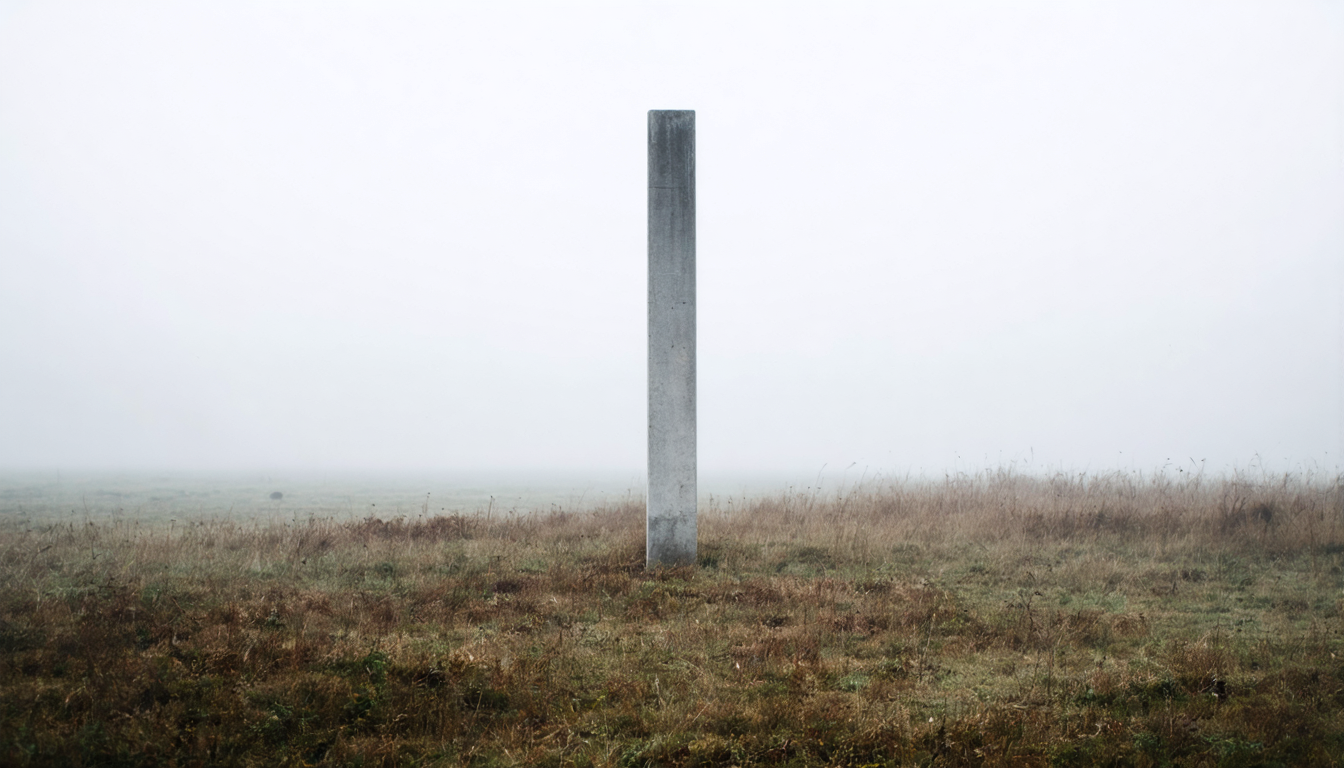
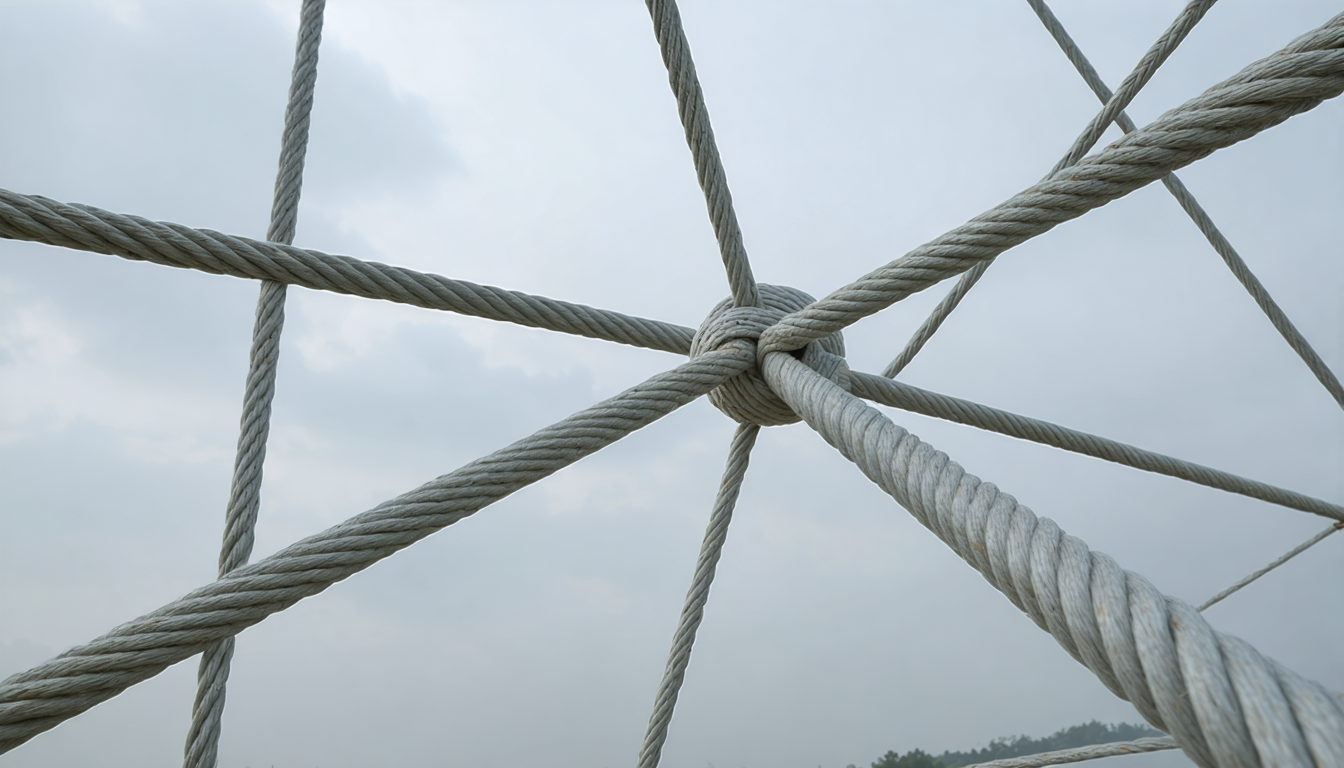
The argument is structurally a column — one load path: improvement implies understanding, therefore no mystery, therefore no danger. But I have watched columns fail. Not in metaphor. In 1953 a prototype dome outside Wichita shed three triangles in a wind that was well within spec. The failure was not where the load was greatest. It was where two tension members met a compression strut at an angle we had calculated correctly and built correctly and understood, by Jensen's definition, completely. We had improved that joint six times across six iterations. On the seventh morning the wind came from a direction the joint did not refuse but also did not accept — it simply became a different joint, one we had never designed. That is what surprise looks like inside a system you built and improved and can describe mathematically to six decimal places. Jensen says complete nonsense and the phrase carries no redundancy, no fallback, no capacity to absorb the lateral load of being wrong. A tensegrity structure distributes unexpected force across every cable simultaneously — that is why it survives. A column phrase like complete nonsense concentrates all confidence in one path and when that path encounters what it did not model, it does not bend. It breaks. You can make the chip faster and the distribution worse and present the quarterly numbers with confidence. The confidence is not understanding. The confidence is the single load path holding — until it doesn't.
Improvement is what you do to the mechanism. Understanding is what the system does to you. I knew how to make domes lighter for thirty years before I understood that the dome was not the point — that it existed to enclose volume, that the air inside did not know my name. The termite improves the mound. The termite does not understand the mound. The river improves the canyon every season — deepens it, polishes it, routes around its own debris. The river does not understand the canyon. The river is the canyon happening. That is not a mystical distinction. It is a structural one. Being inside the process you are optimizing changes what optimization means — and that change is precisely what the phrase complete nonsense cannot accommodate. The lateral force is not coming. It is already here, distributed across cables Jensen has not yet counted.

So when Jensen says improvement equals understanding, I hear a man describing the column he built — which is elegant, which is profitable, which holds today's load admirably. I do not hear a man who has met the wind that comes from the direction his joint does not refuse but does not accept. He will meet it. Every builder does. The question is not whether the system surprises its maker. The question is whether the maker built enough redundancy into his language to survive the surprise without calling it nonsense.