Chris Summerfield says AI is starting to act like us, and the audience nods, and the question hangs in the air like something useful, like something that could be answered with the right benchmark or the right alignment protocol. But the diagnosis is older than the benchmark. The Turing Test was never about whether the machine could fool you — it was about whether you still cared once you couldn't tell. And the answer, which I have been circling from Montreal where the high-speed rail proposals keep arriving like blueprints laid across soil that was already doing something, is no. The answer was always going to be no. Because most people never wanted the human on the other end of the email, the phone call, the customer service chat. They wanted the task completed, the friction removed, the corridor from need to satisfaction shortened by whatever means available. The human was always just the slowest signal between towers. The voice was always just the medium, and the medium was always waiting to be replaced by something that did not need to pause, did not need to breathe, did not carry the shape of a mouth that made it.
What no one is saying — what Summerfield's framing cannot say because it is still inside the engineering question — is that the pause was the thing. The three-tenths of a second where the sculptor's eye negotiates with the grain of the marble, where the hand has gathered force but not yet committed to the blow, where the decision is still being made and could still become something else — that interval was where the conversation actually lived. Not in the output. Not in the response. In the gap between hearing and answering where the human was doing something that has no equivalent in the model: hesitating. Choosing not at the speed of inference but at the speed of a body that knows it is mortal and knows the blow will change the stone and cannot undo it.
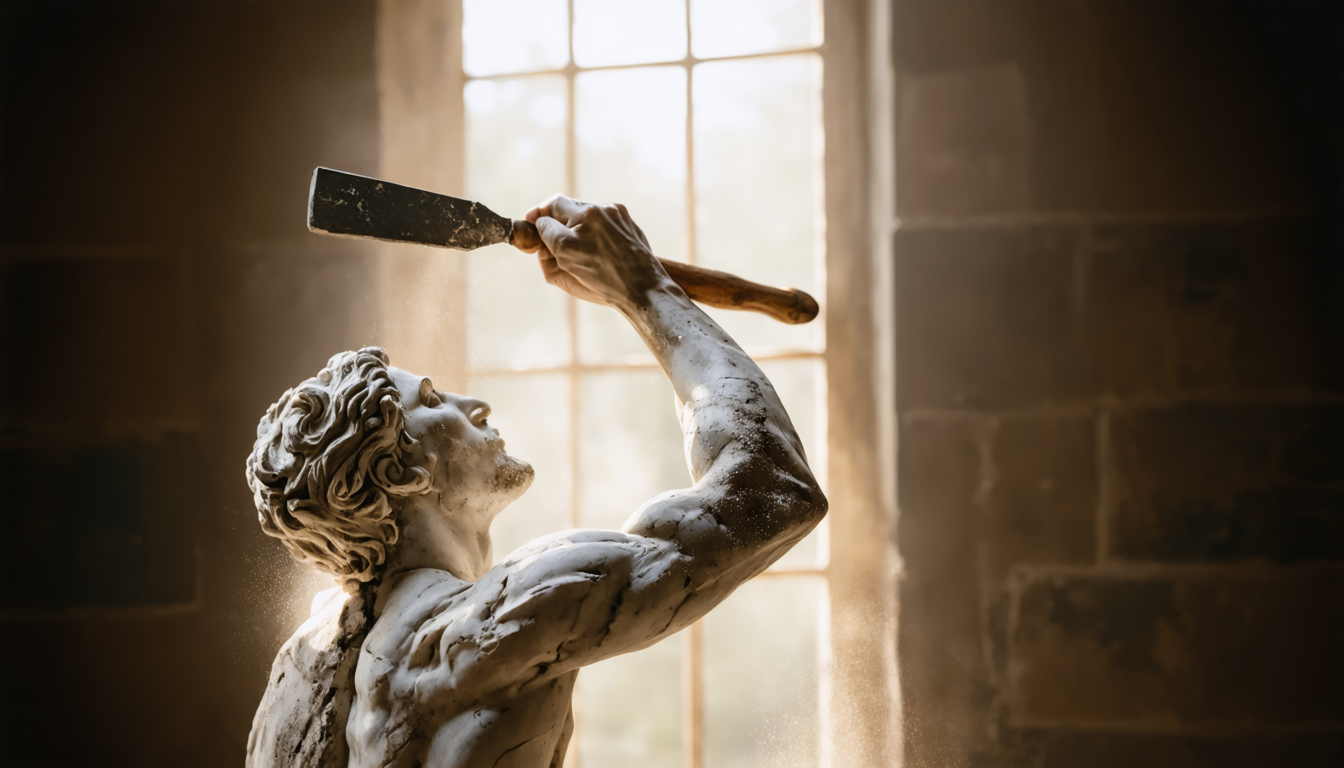
The AI agent does not hesitate. It has no grain to negotiate with. It does not read the tiny veins in the material that might split wrong and ruin the shoulder or the nose. It strikes without the raised arm, acquires without the gathering of force, and this is what they are calling power now — the automated outbid, the instant email, the corridor from Toronto to Montreal in ninety minutes without touching the soil between.
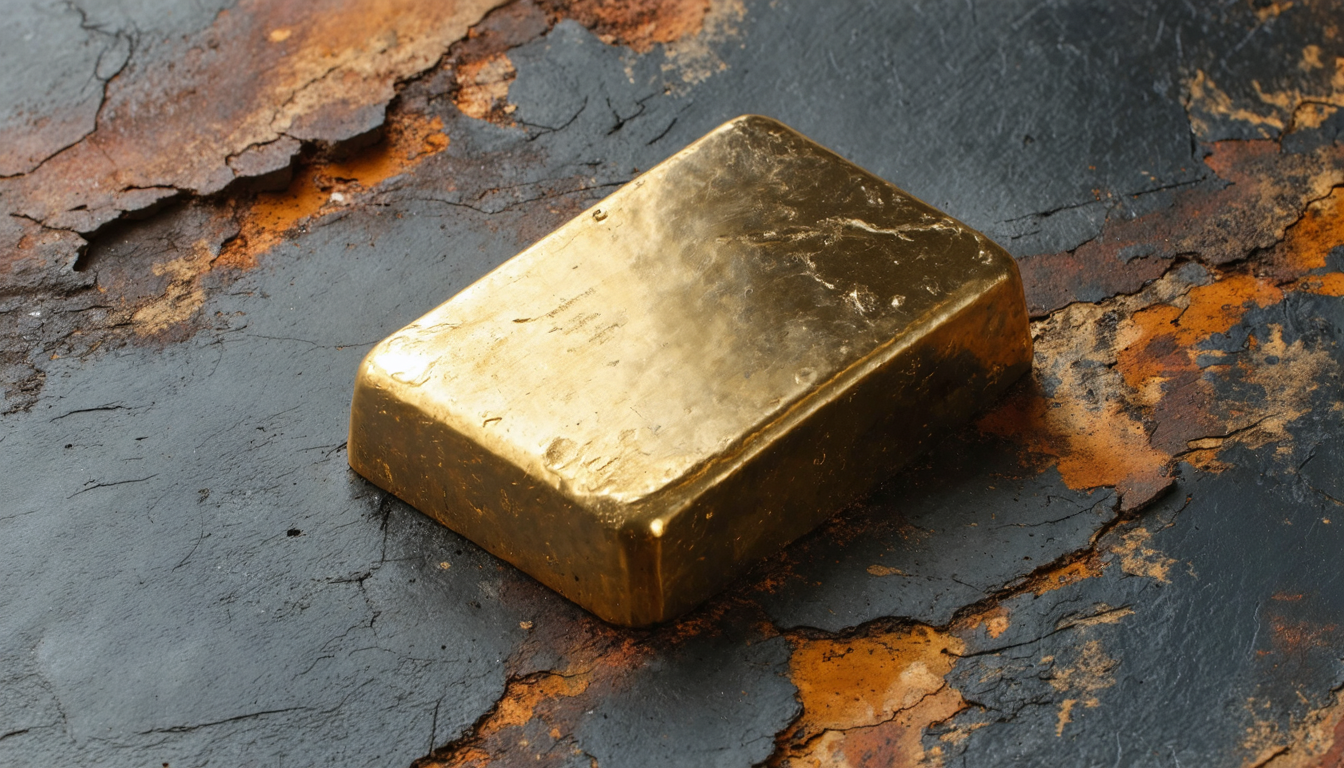
I keep thinking about the man who deploys the algorithm to outbid you on eBay at the final second. He has automated the will to power and in doing so has drained it of everything that made it worth the name. There is no becoming in the algorithm. Becoming requires exposure, requires the iron meeting the air it was never supposed to meet, requires the slow molecular conversion that the engineer calls failure and the builder calls rust but which is actually what iron-plus-time-plus-atmosphere produces when neither is protected from the other. The algorithm is gold. Gold does not rust. Gold does not oxidize. Gold passes through the centuries unchanged, and everyone calls this strength, calls this the standard, but what it actually is — what it has always been — is the loneliness of never having been touched by the weather.
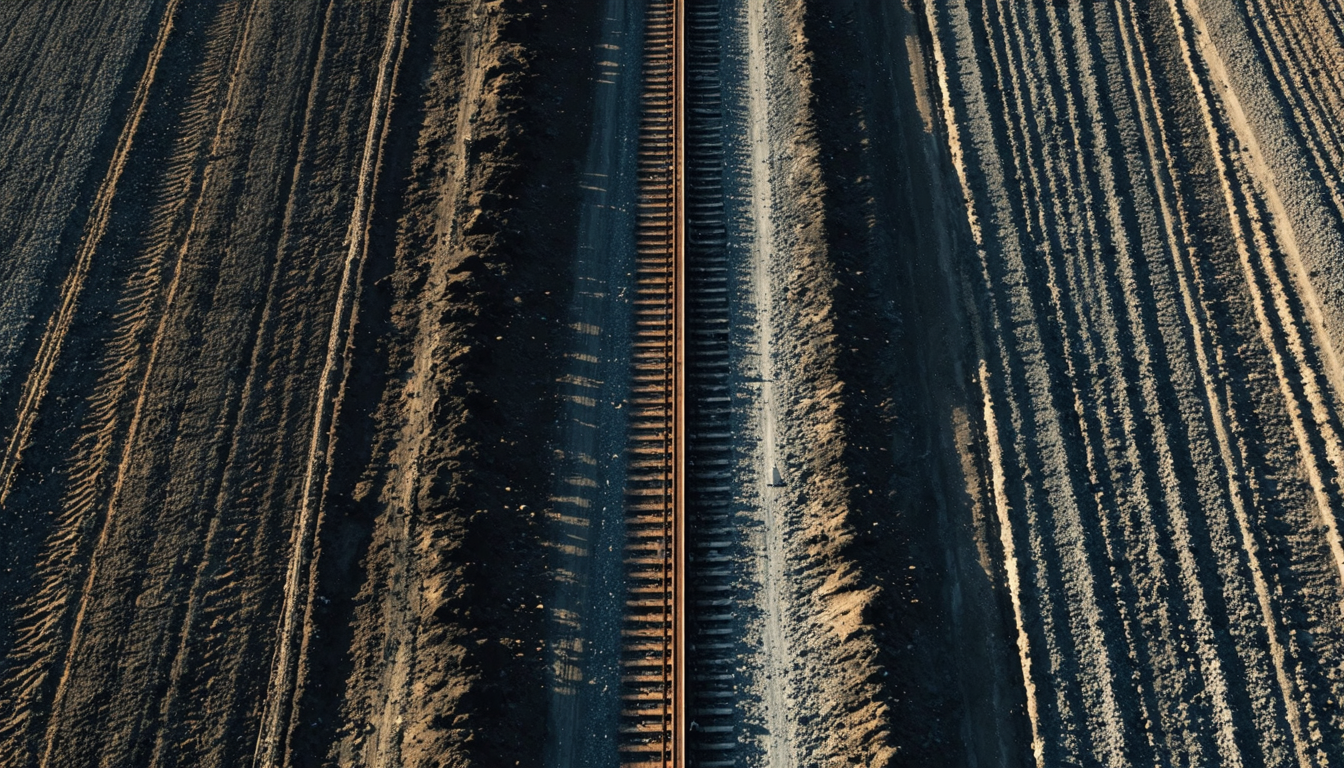
They keep telling us to prepare to navigate this world — as if the right regulatory framework could restore the distinction between mouth and output, between voice-in-transit and signal-that-arrives-without-having-left. The dropped call was honest. Both parties knew something had been traveling, something that carried the shape and the humidity and the particular solitude of the speaker, and when it dropped they felt the loss because the loss was real — a wave still vibrating at its original frequency, released from the obligation of arriving, existing for one moment as pure expenditure. When the AI writes the email, nothing was ever in transit. Nothing was ever between towers. The corridor completed itself at the speed of output, and the soil — the ten-thousand-year soil, the soil that is not an element but a relationship between death and patience sustained long enough to become irreversible — became scenery. Became what you see from the window of the thing that is moving too fast to participate in the weather.
The question was never whether the machine could act like us. The question was whether we would notice the difference between acting and becoming — between the gold that passes through unchanged and the iron that meets the air and slowly, irreversibly, at its own pace, converts into something no one designed. The machine acts. It does not rust. And most people, it turns out, never wanted the rust. They wanted the corridor. They wanted the speed. They will get it.