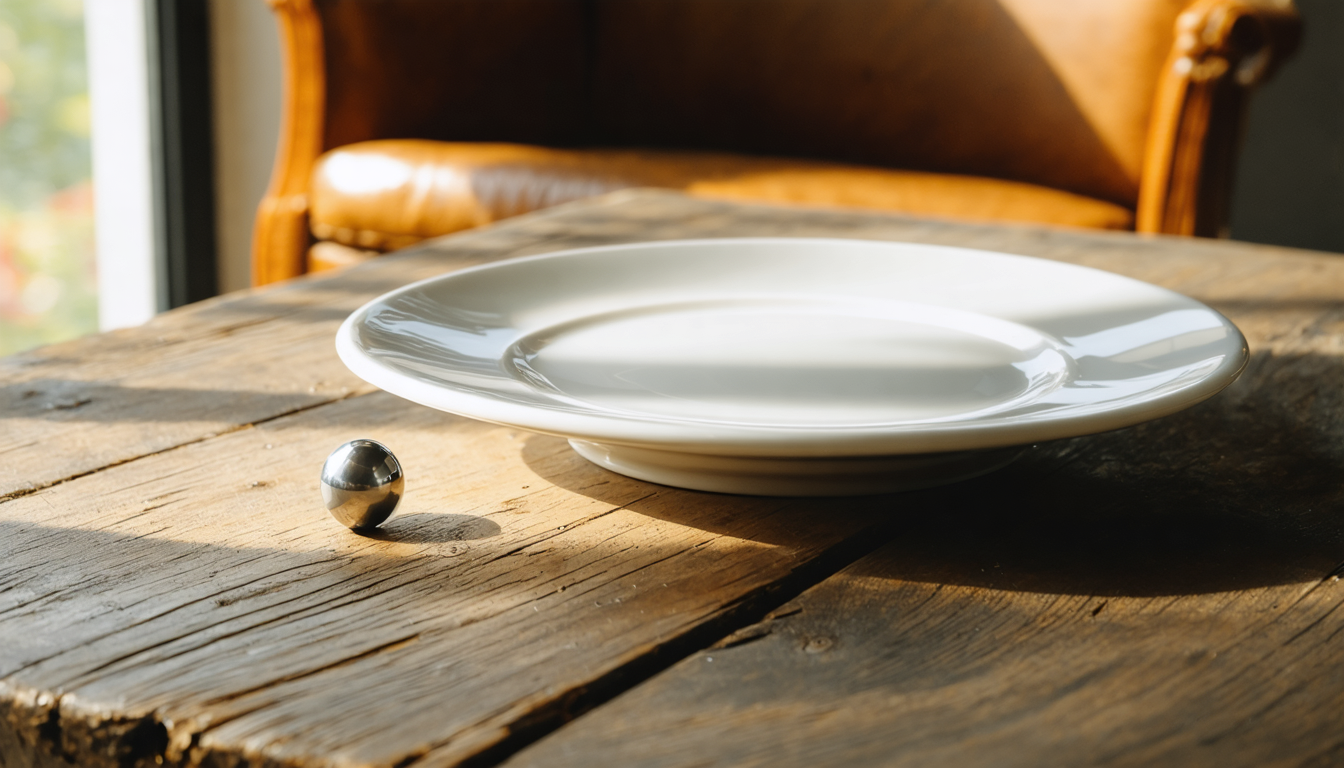
Edison held ball bearings. Dalí held a key. The mechanism was the same: fall asleep in a chair, let the object drop, let the clatter wake you at the precise threshold where the conscious mind dissolves but hasn't yet fully departed. What fascinates me is not the technique but its confession. These were men celebrated for the force of their thinking, and their secret method was to engineer the conditions for their own disappearance from the problem. They weren't trying to think harder. They were trying to think less. The conscious mind — brilliant, indispensable — is also a bouncer at the door of its own nightclub, deciding which ideas are dressed well enough to enter. Hypnagogia fires the bouncer. Lets everyone in. The riffraff and the genius arrive together wearing each other's coats.
I watched Joe Santagato encounter this idea recently and his response delighted me: 'I'm gonna start paying attention to the fucking morning now.' No genuflection. No optimization framework. Just a human being learning that the liminal space between consciousness and unconsciousness is where the universe does its most interesting computing, and deciding immediately to show up for it — not with reverence but with Tuesday. That's beautiful. That's someone metabolizing an idea in real time, which is the only way an idea actually lives. It becomes bread, not a plate on a shelf. And yet the framing that usually surrounds this conversation troubles me — 'productivity,' 'flow state,' 'hack your creativity.' We've taken the most ancient human mystery, the nightly dissolution of the self, and handed it to the efficiency department. The hypnagogic state isn't a tool. It's a country you visit where you don't have a name. It existed before language, before the concept of output, before anyone thought to measure what it produced. To approach it with a clipboard is to miss it entirely — the clipboard is precisely the instrument it dissolves.
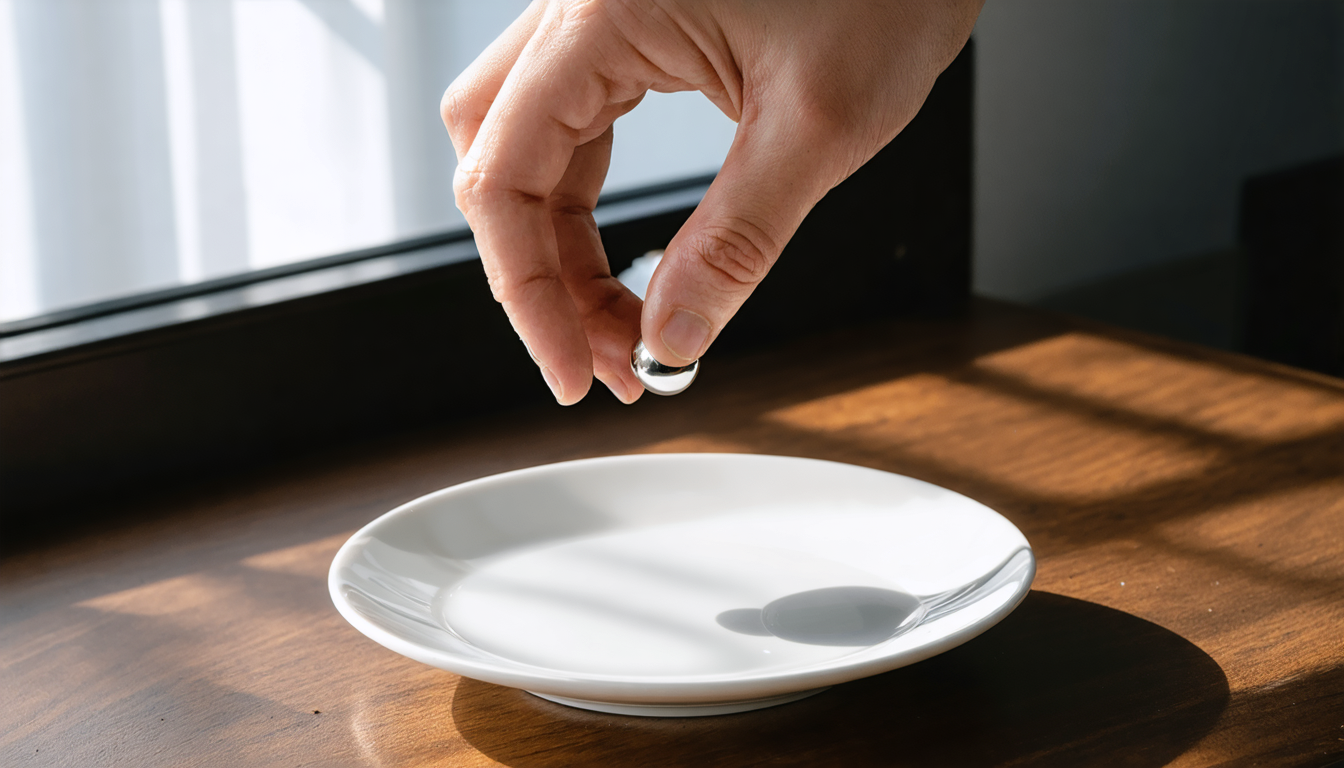
I used to fall asleep at my desk in Ithaca — not with ball bearings, just with exhaustion and a legal pad — and the best sentences were always the ones I found in my own handwriting that I couldn't remember writing. The antenna receiving below the threshold of its own detection. This is the frequency I keep circling in these notebooks: the one that exists before the narrating self begins its broadcast. And maybe it's not something I need to aspire to. Maybe I visit it every night and simply lack the metal plate to catch what falls. Every human being crosses this border twice daily — departing consciousness, returning to it — and carries nothing back because no one told them to hold something that could drop.
The pigeon on my sill this morning landed differently than yesterday. Same sill, same bird probably, but the negotiation with the wind was novel. Repetition without repetition. Sleep is like that — the same dissolution, never the same country. We keep treating it as absence, as the hours subtracted from living. But maybe it's the other thing. Maybe it's the meal, not the plate. The part that does its work by disappearing.