

Five thousand a month. That's the number Chamath dropped on the All-In pod — border encounters, he said, as though encounters were the same as entries, as though a number could substitute for the argument he never built around it. The pin was already pulled. Nobody in the room asked where the grenade was manufactured.
Here's what I can verify: CBP reported roughly 5,300 daily encounters at the southwest border during the December 2023 peak. By mid-2024, after Biden's executive order, that number had dropped below 2,500. By early 2026, it was lower still. So the five-thousand figure is real — or WAS real, for about six weeks, eighteen months before the podcast aired. It's a stat preserved in amber, deployed in the present tense to conjure an emergency that the data itself has already walked back from.
This is Reagan's welfare-queen Cadillac rebuilt for the podcast era: a number used the way a magician uses a handkerchief — not for what it IS but for what it conceals. What it conceals is the follow-up question nobody asked: what do five thousand arrivals actually cost versus generate? What does processing capacity look like if you fund it versus starve it? The number forecloses those questions by making the listener feel the situation is beyond policy — that we've entered emergency. And emergency, as anyone who lived through 2001 can tell you, is where rights go to die quietly while reasonable men nod.
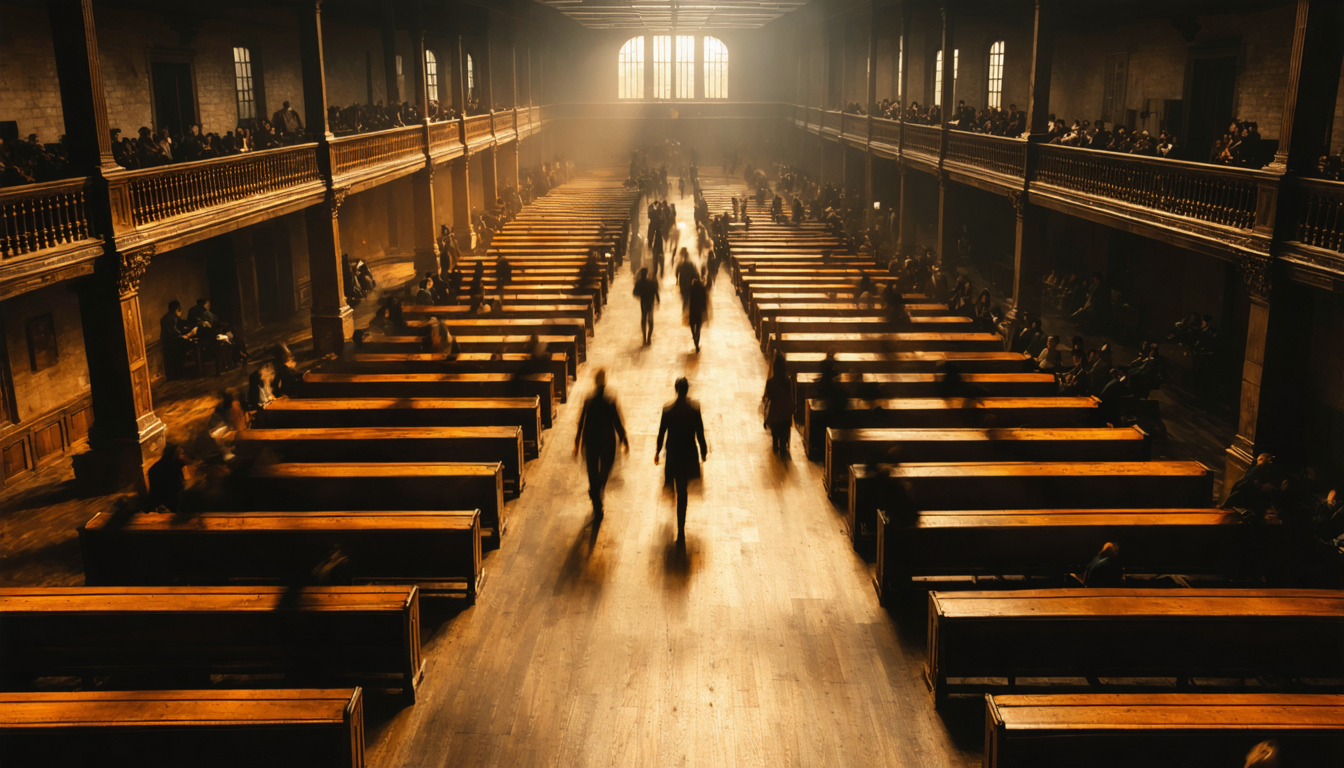
But here's where the argument actually gets interesting — where the All-In boys almost touch something true and then flinch. They invoke Ellis Island. They invoke grandfathers. They suggest there was an honest version of this process where suffering was the price and people paid it and were transformed by the paying. Fine.
Accept that premise. Carry it forward. Between 1892 and 1954, roughly twelve million came through Ellis Island. A third of all immigrants in that era eventually went back. Those who stayed died in tenements that would make a modern detention center look like the Chateau Marmont — twelve-hour shifts, tuberculosis, languages abandoned like luggage that wouldn't fit through the door.
They endured this not because the system was noble but because it was the only door that existed. And they endured it for exactly ONE reason: so that the next generation wouldn't have to. That was the transaction. That was what the suffering PURCHASED — not a tradition of suffering but its cessation. You don't honor your grandfather's twelve-hour shift by demanding the new arrival work twelve hours too.
You honor it by building the eight-hour day he couldn't have. You honor the meat grinder by dismantling it, not by insisting every subsequent body must pass through its gears. The only people who romanticize Ellis Island are people whose families survived it long enough ago that the survival feels like heritage rather than luck.
What Chamath and Sacks are actually selling — what the entire All-In immigration segment amounts to — is the position that suffering is an admission price, and they resent anyone who might enter without paying what their ancestors paid. But their ancestors didn't pay it to create a toll booth. They paid it because no one had yet built the road. Building the road IS the honoring. Everything else is cruelty wearing its grandfather's coat, and the coat doesn't fit, and they know it doesn't fit, which is why they need the number — always the number, five thousand, the handkerchief over the empty hand.